
Delhi pollution after Diwali: firecrackers over 80% on November 9, IITM data
 By Meera IyerGovernance & Policy Editor, Peepals Bharat
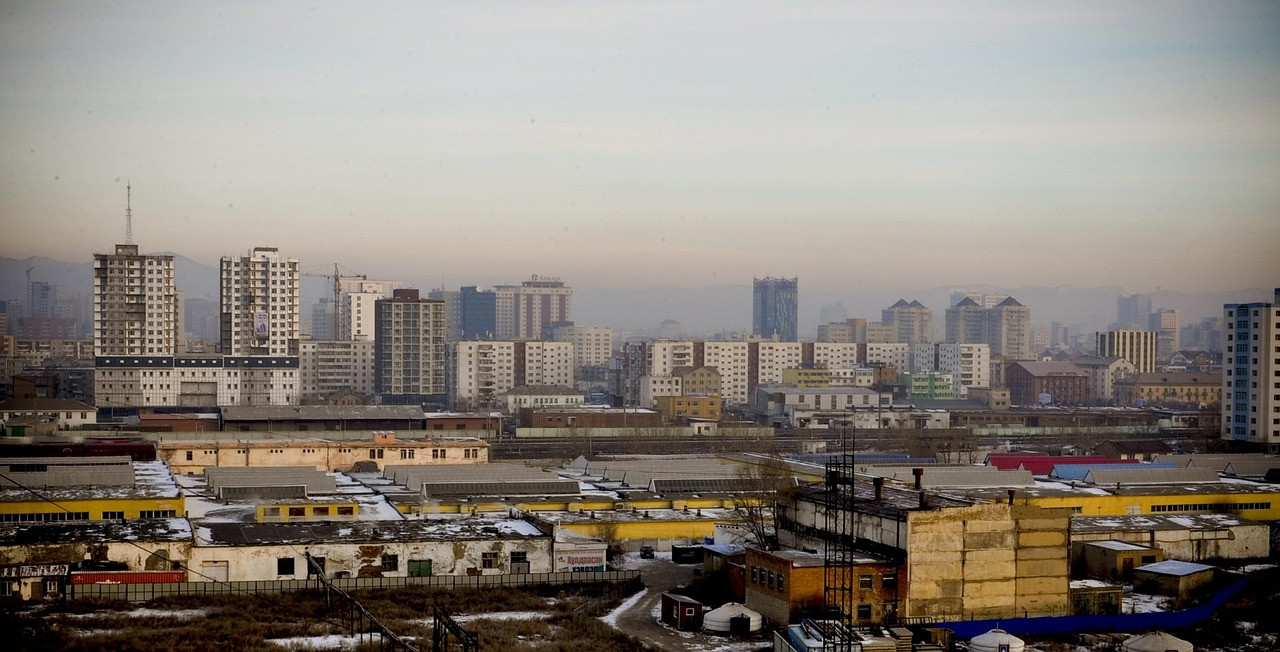
Representative image: Erdenebayar / Pixabay
Firecrackers caused over 80% of Delhi's estimated pollution load on 9 November 2026, the morning after Diwali, IITM data show; the share fell to 29.9% next day.
What Happened
Firecrackers were responsible for more than 80% of Delhi's estimated pollution load on Monday, 9 November 2026, the morning after Diwali, according to source-analysis data from the Indian Institute of Tropical Meteorology (IITM) reported on 10 November. A separate analysis of the same IITM data put firecrackers' share of fine particulate matter (PM2.5) at 71.1% between 1 am and 9 am that day. By the next day the picture had changed: IITM estimated that firecrackers accounted for 29.9% of the pollution between 1 am and 9 am on Tuesday, 10 November. The data suggest stubble burning was not a significant contributor on 9 November. Delhi's Air Quality Index (AQI) stood at 366, in the "very poor" category, at 6.15 am on 9 November.
Key Facts
- 9 November 2026: firecrackers made up more than 80% of Delhi's estimated pollution load, per IITM source analysis as reported.
- 9 November, 1 am to 9 am: firecrackers' share of PM2.5 estimated at 71.1%, in a separate analysis of IITM data.
- 10 November, 1 am to 9 am: firecrackers' share fell to 29.9%, IITM estimated.
- Stubble burning was not a significant contributor on 9 November, according to the findings.
- Delhi's AQI was 366 ("very poor") at 6.15 am on 9 November.
- The Supreme Court had allowed green crackers in Delhi-NCR on 7 and 8 November.
- Reports note the IITM assessment has limitations; the percentages are model estimates.
Why It Matters
Every winter, Delhi argues over what causes its worst air: vehicles, industry, construction dust, crop-stubble fires in Punjab and Haryana, or Diwali fireworks. Source-apportionment tools, such as the decision support system run with IITM, estimate how much each source contributes on a given day. They are models, not direct measurements, but they give policymakers a way to see which source is driving a spike.
This year's figures point clearly at the festival night. When more than four-fifths of the estimated pollution load on the morning after Diwali comes from firecrackers, and stubble burning is not a major factor that day, the spike was largely self-made in the city. The sharp fall to under 30% a day later shows how quickly the firecracker effect fades once bursting stops, while the city's other sources remain.
The finding matters for policy. The Supreme Court allowed green crackers, which are meant to emit less, in Delhi-NCR on 7 and 8 November. The data do not show how much of the smoke came from green crackers and how much from conventional ones, but they will feed into the debate on whether permitted crackers, bursting hours and enforcement worked. For citizens, the lesson is that the worst hours were overnight and early morning after Diwali, when outdoor exercise and school travel carry the most exposure.
Peepals timeline: The Supreme Court permitted green crackers in Delhi-NCR on 7 and 8 November 2026. Diwali celebrations followed, and at 6.15 am on Monday, 9 November, Delhi's AQI was 366. IITM's source analysis put firecrackers at more than 80% of the pollution load that day, and at 71.1% of PM2.5 between 1 am and 9 am. By Tuesday, 10 November, their share between 1 am and 9 am was down to 29.9%, according to the reported data.
| Date and time | Firecrackers' estimated share |
|---|---|
| 9 November 2026, whole-day load | More than 80% |
| 9 November 2026, 1 am-9 am (PM2.5) | 71.1% |
| 10 November 2026, 1 am-9 am | 29.9% |
Impact
Short-term: Delhi's air stayed in the "very poor" range after Diwali, though the firecracker share dropped sharply by 10 November.
Long-term: The data will inform decisions on cracker permissions and enforcement for future festivals, and the wider debate on Delhi's winter pollution sources.
Who is affected: Delhi residents, especially children, older people and those with breathing problems; pollution-control authorities; and courts deciding on cracker rules.
Key Takeaway
IITM's source data show firecrackers made up over 80% of Delhi's pollution load on 9 November 2026, the morning after Diwali, falling to 29.9% by 10 November.
Questions and Answers
How much of Delhi's pollution after Diwali 2026 came from firecrackers?
According to IITM source-analysis data reported on 10 November 2026, firecrackers were responsible for more than 80% of Delhi's estimated pollution load on 9 November.
Did stubble burning cause Delhi's post-Diwali smog?
The IITM findings suggest stubble burning was not a significant contributor on 9 November.
How bad was Delhi's air on 9 November 2026?
Delhi's AQI was 366 at 6.15 am, in the "very poor" category.
How accurate are these figures?
They are estimates from a source-apportionment model, not direct measurements, and reports note the assessment has limitations.
Disclaimer: Prepared by the Peepals newsroom from publicly available sources with AI assistance. Information is accurate to the best of our knowledge at the time of publication and may change. Images may be representative. Not professional advice. Report an error via our contact page.
By Meera Iyer, Governance & Policy EditorCovers Governance & Policy and more for Peepals Bharat. All stories by Meera Iyer
KSEAB to set Karnataka 1st PUC exam papers for all colleges
Bihar Ki Beti Startup Challenge: Rs 88.20 crore for 2,100 women students
Get the day's stories in your inbox
Peepals Weekly: the week decoded, free. One email a week, unsubscribe in one click.
Meera Iyer is a pen name of the Peepals Global Editorial Team, which researches, fact-checks and publishes every story. The portrait is an illustration.