
Startup India I-STEM link: start-ups can now find 31,540 lab tools
 By Meera IyerGovernance & Policy Editor, Peepals Bharat
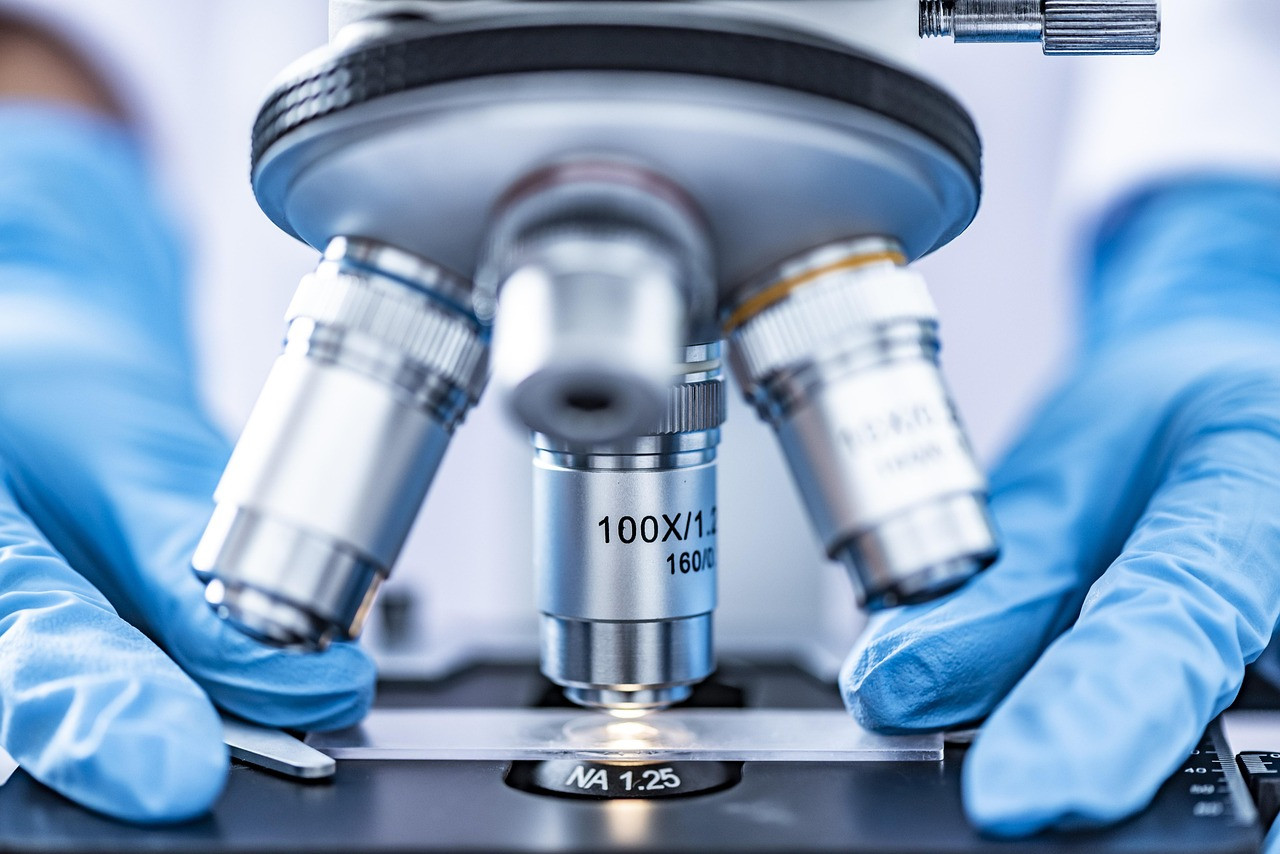
Representative image: ckstockphoto / Pixabay
Startup India's portal now lists 31,540 research tools at 4,044 public institutions via I-STEM, launched on 6 November 2026; host institutions still approve access.
What Happened
India's Startup India portal has been linked to I-STEM, the national portal that lists research equipment at public institutions, so that recognised start-ups can find 31,540 research tools at 4,044 institutions from inside the Startup India site. The Office of the Principal Scientific Adviser (PSA) and the Department for Promotion of Industry and Internal Trade (DPIIT) launched the link, called an API integration, on Friday, 6 November 2026, according to a government press release. Principal Scientific Adviser Ajay Kumar Sood chaired the launch, with DPIIT Additional Secretary Ateesh Kumar Singh. The link helps start-ups discover equipment; the institutions that own it will still approve each request for access.
Key Facts
- Launched on Friday, 6 November 2026, by the Office of the Principal Scientific Adviser and DPIIT.
- DPIIT-recognised start-ups can now search 31,540 research tools at 4,044 institutions listed on I-STEM from the Startup India portal.
- An API (application programming interface) is a technical link that lets two websites share data; here it brings I-STEM's equipment listings into the Startup India portal.
- Host institutions keep control and will continue to approve access requests; the link is not an automatic booking system, reports say.
- A start-up's DPIIT recognition status is to be verified automatically, to make signing up easier.
- Single Sign-On, which would let start-ups use I-STEM facilities directly through the Startup India portal with one login, is planned for later phases.
- Principal Scientific Adviser Ajay Kumar Sood said the link would strengthen ties between start-ups and the country's scientific infrastructure, improve the use of publicly funded facilities and support deep-tech innovation.
Why It Matters
Many young companies that build physical products, such as medical devices, new materials, electronics, drones or biotech, need costly machines to test and prove their work: microscopes, spectrometers, testing rigs and the like. Buying such equipment is costly for an early-stage company. Much of this equipment already exists in public research institutions and universities, paid for with public funds. I-STEM was built to list such facilities so that researchers could find and use them. The new link puts the same listings in front of start-ups through the portal they already use for government recognition and schemes.
For founders outside the big metros in particular, a searchable list of public facilities across thousands of institutions helps a founder find a machine at a nearby university or national laboratory rather than travel to a large city or import a test. Officials say the move should lower research and development costs for deep-tech start-ups and reduce the need to buy equipment that already exists in public labs.
The limits matter too. The link is for discovery: a start-up still has to apply to the institution, which decides whether, when and on what terms to give access. How quickly institutions answer, and what they charge, will decide how useful the link is in practice. The planned single sign-on phase, if delivered, would make the process smoother, but no timeline has been given in the reports.
Peepals calculation: The listings average about eight research tools per institution (31,540 ÷ 4,044 ≈ 7.8). The government has separately said there are more than 2.62 lakh DPIIT-recognised start-ups as of November 2026, which works out to about 65 recognised start-ups for every listed institution (2,62,000 ÷ 4,044 ≈ 64.8). Our calculation from the reported figures.
What a founder can do now: if your start-up is DPIIT-recognised and needs testing or research equipment, search the I-STEM listings through the Startup India portal, note the institutions nearest you, and send access requests early, since each institution approves requests on its own.
Impact
Short-term: Recognised start-ups can search public research equipment from the Startup India portal straight away.
Long-term: If institutions respond quickly and single sign-on follows, more start-ups could test and develop products using public labs rather than buying their own equipment, and public facilities could be used more fully.
Who is affected: DPIIT-recognised start-ups, especially in deep tech, hardware, life sciences and manufacturing; universities and research institutions that host the equipment; and incubators that help founders find testing facilities.
What to watch next: The single sign-on phase, which the government says will let start-ups use I-STEM facilities directly through the Startup India portal.
Key Takeaway
From 6 November 2026, recognised Indian start-ups can search 31,540 research tools at 4,044 public institutions through the Startup India portal, though each institution still approves access.
Questions and Answers
What is the Startup India and I-STEM integration?
It is a technical link, launched on 6 November 2026 by the Office of the Principal Scientific Adviser and DPIIT, that lets DPIIT-recognised start-ups search 31,540 research tools at 4,044 institutions listed on the I-STEM portal from within the Startup India portal.
Can start-ups book lab equipment directly through Startup India?
Not yet. The link is for finding equipment; the host institution still approves each access request. Single sign-on, which would let start-ups use I-STEM facilities directly through the Startup India portal, is planned for a later phase.
Who can use the I-STEM listings on the Startup India portal?
Start-ups recognised by DPIIT. Their recognition status is meant to be checked automatically when they sign up.
Why did the government link the two portals?
Officials say it will lower research and development costs for deep-tech start-ups, cut the need to buy equipment that already exists in public labs, and make better use of publicly funded facilities.
Disclaimer: Prepared by the Peepals newsroom from publicly available sources with AI assistance. Information is accurate to the best of our knowledge at the time of publication and may change. Images may be representative. Not professional advice. Report an error via our contact page.
By Meera Iyer, Governance & Policy EditorCovers Governance & Policy and more for Peepals Bharat. All stories by Meera Iyer
Karnataka clears 147 projects worth Rs 6,826 crore; 131 outside Bengaluru
Himachal school complex system: teachers told to end protest, cancel Nov 15 rally
Get the day's stories in your inbox
Peepals Weekly: the week decoded, free. One email a week, unsubscribe in one click.
Meera Iyer is a pen name of the Peepals Global Editorial Team, which researches, fact-checks and publishes every story. The portrait is an illustration.