
Allahabad High Court orders CCTV check after lawyers' courtroom protest
 By Meera IyerGovernance & Policy Editor, Peepals Bharat
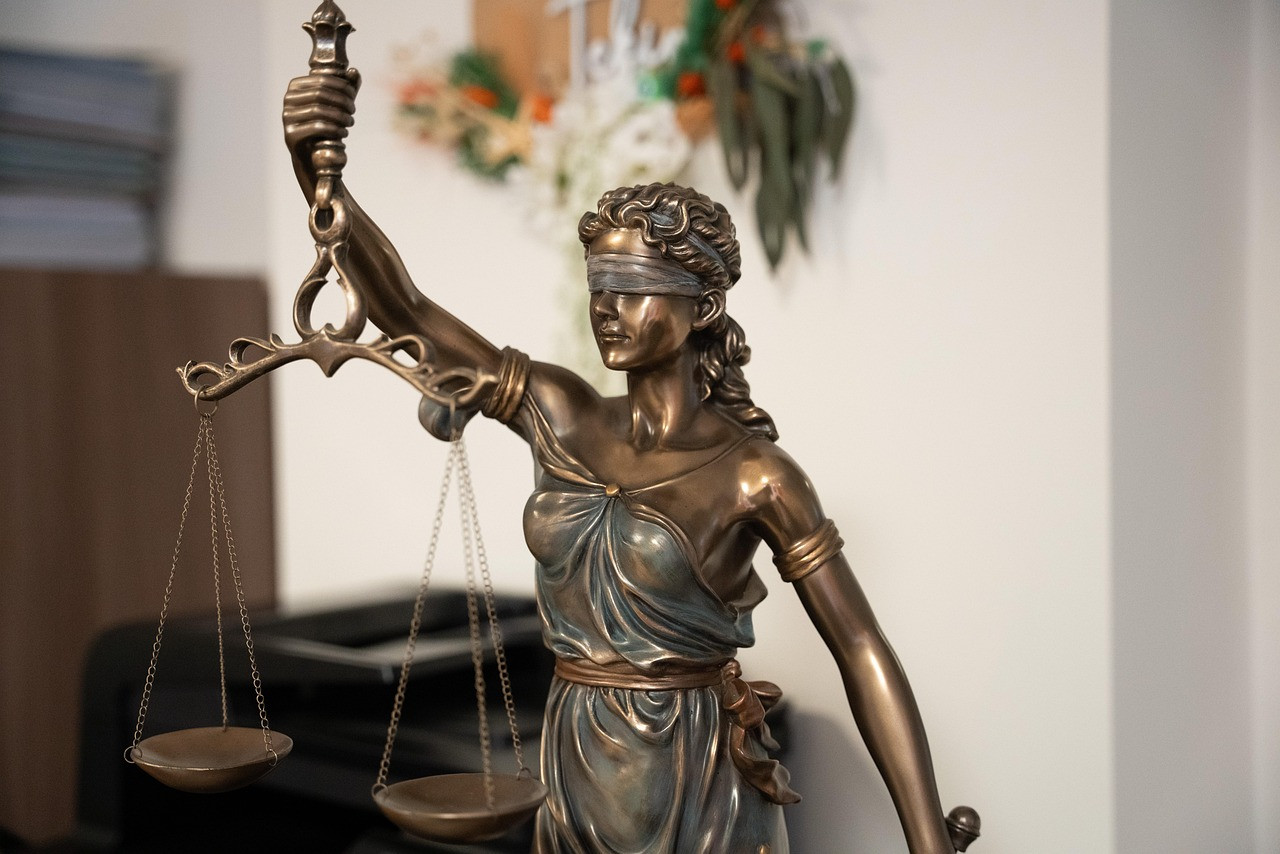
Representative image: smuldur / Pixabay
After lawyers protested in Justice Ajay Bhanot's courtroom on October 28, 2026, an Allahabad High Court bench ordered CCTV checks to identify those involved.
What Happened
A bench of the Allahabad High Court on Wednesday, October 28, 2026, ordered that CCTV footage be used to identify advocates who protested inside the courtroom of Justice Ajay Bhanot earlier that day. According to reports from the court, lawyers raised slogans and allegedly threw furniture and other items in the courtroom. Justice Arun Kumar Singh Deshwal, who was hearing a bail matter in an adjoining courtroom, described the conduct as "absolutely contemptuous" and directed the Registrar (Protocol) to obtain the footage from the camera outside Court No. 66. The matter has been listed for November 19.
Key Facts
- Date: Wednesday, October 28, 2026, at the Allahabad High Court.
- Protest: in the courtroom of Justice Ajay Bhanot, with slogans raised and furniture allegedly thrown, according to reports.
- The lawyers' grievance: the High Court Bar Association said Justice Bhanot made a lawyer apologise to a police officer who was sitting in a row reserved for advocates.
- Bar's demand: the association threatened to boycott Justice Bhanot's court unless action is taken.
- Court's response: Justice Arun Kumar Singh Deshwal called the conduct "absolutely contemptuous" and ordered CCTV footage to be used to identify the advocates.
- Next hearing: November 19, 2026.
- Possible next steps: reports say the matter could be referred to the Bar Council of Uttar Pradesh for disciplinary action and could lead to contempt proceedings.
Why It Matters
Disruption inside a courtroom stops hearings for everyone listed that day, including litigants who may have travelled long distances and waited months for a date. That is why courts treat such incidents seriously.
The incident also brings two important legal ideas into view. The first is contempt of court. Under the Contempt of Courts Act, 1971, "criminal contempt" includes acts that interfere with or obstruct the administration of justice. A High Court has the power to punish contempt of itself, which is why the bench has said it may consider contempt action once the people involved are identified. The second is professional discipline. Advocates in India are regulated by State Bar Councils under the Advocates Act, 1961, which can suspend or remove a lawyer for professional misconduct. A referral to the Bar Council of Uttar Pradesh would start that separate process.
The lawyers' side of the dispute also needs to be heard. The High Court Bar Association has said the protest arose from the treatment of an advocate who was asked to apologise to a police officer seated in the lawyers' row. Questions of seating and courtroom conduct can become flashpoints between the Bar and the Bench, which depend on each other for courts to run smoothly. Reports did not carry a response from Justice Bhanot. Reports of other incidents during the protest have not been independently confirmed, and this article does not repeat them.
What happens next depends on the CCTV identification and on the November 19 hearing. No finding of contempt or misconduct has been made against any advocate so far.
Impact
Short-term: Hearings in the courtroom concerned may face disruption if the Bar Association goes ahead with its boycott. The Registry will gather CCTV footage and identify those present before the next date.
Long-term: Depending on what the footage shows, individual advocates could face contempt proceedings in the High Court or disciplinary action by the Bar Council. The episode may also lead to clearer rules on courtroom seating and conduct.
Who is affected: Litigants whose cases are listed in the affected courtroom; advocates who practise at the Allahabad High Court; the judges concerned; and the High Court Bar Association.
Key Takeaway
An Allahabad High Court bench has ordered CCTV identification of advocates who protested in Justice Ajay Bhanot's courtroom on October 28, with possible contempt or disciplinary action to be considered from November 19.
Questions and Answers
What happened at the Allahabad High Court on October 28, 2026?
Lawyers protested inside Justice Ajay Bhanot's courtroom, raising slogans and allegedly throwing furniture, according to reports. Another bench then ordered that CCTV footage be used to identify the advocates involved.
Why were lawyers protesting against Justice Ajay Bhanot?
The High Court Bar Association said Justice Bhanot made a lawyer apologise to a police officer who was sitting in a row reserved for advocates. The association threatened to boycott his court unless action is taken.
What action can the High Court take against the lawyers?
A High Court can punish criminal contempt, which includes obstructing the administration of justice, under the Contempt of Courts Act, 1971. The matter could also be referred to the Bar Council of Uttar Pradesh, which can discipline advocates under the Advocates Act, 1961.
When will the matter be heard next?
The bench of Justice Arun Kumar Singh Deshwal has listed the matter for November 19, 2026.
Disclaimer: Prepared by the Peepals newsroom from publicly available sources with AI assistance. Information is accurate to the best of our knowledge at the time of publication and may change. Images may be representative. Not professional advice. Report an error via our contact page.
By Meera Iyer, Governance & Policy EditorCovers Governance & Policy and more for Peepals Bharat. All stories by Meera Iyer
Air Force Sports Complex closure: Delhi golf course shut, Centre reclaims land
Jailer 2 beats 2.0 to become highest-grossing Tamil film ever
Get the day's stories in your inbox
Peepals Weekly: the week decoded, free. One email a week, unsubscribe in one click.
Meera Iyer is a pen name of the Peepals Global Editorial Team, which researches, fact-checks and publishes every story. The portrait is an illustration.