
PMEGP: Rs 1,000 crore subsidy released for 11,333 new micro-enterprises
 By Aditi KulkarniEducation Writer, Peepals Bharat
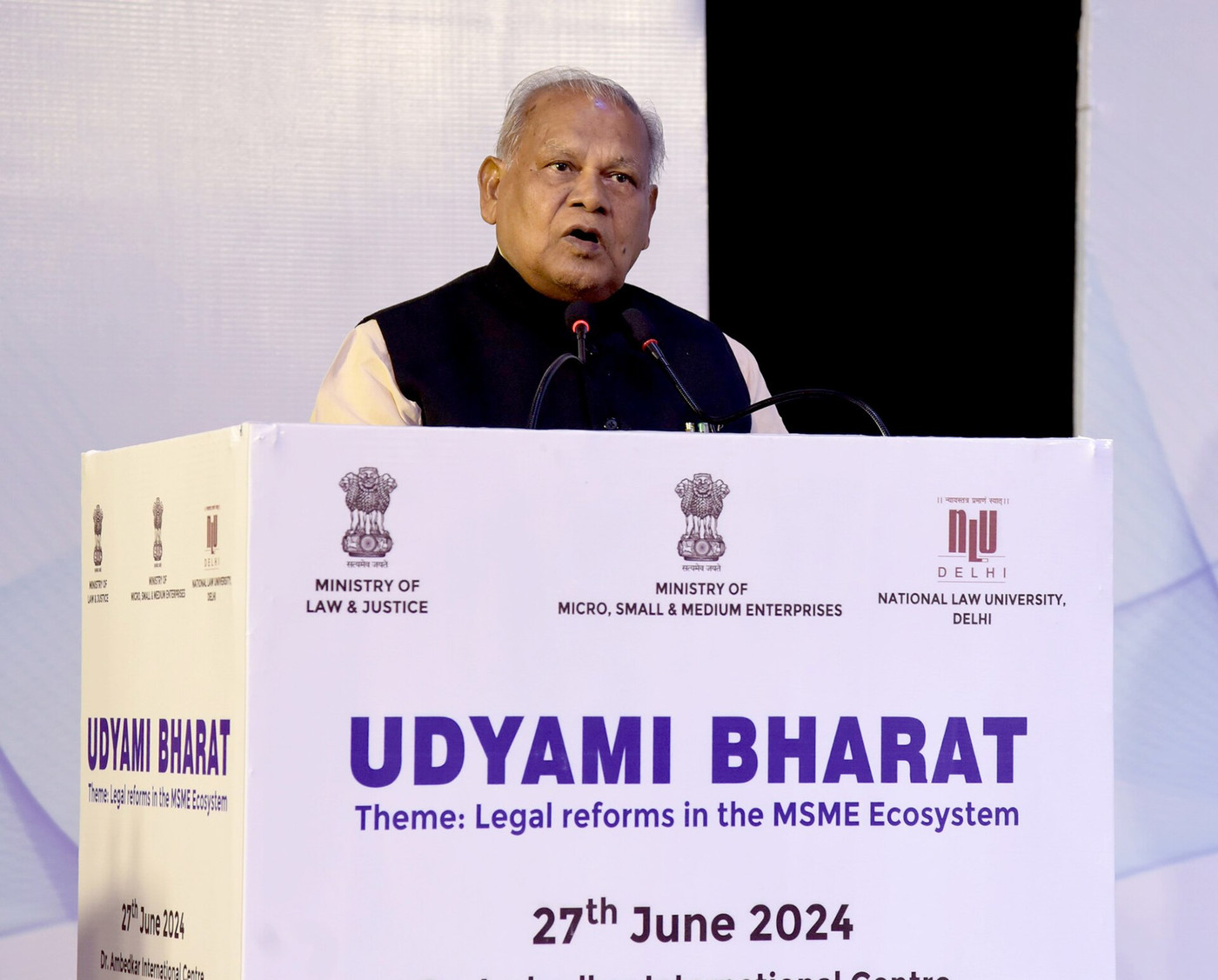
File photo: Press Information Bureau (GODL-India), via Wikimedia Commons
The MSME ministry released Rs 1,000 crore of PMEGP margin money on October 28, 2026 for 11,333 new micro-enterprises with Rs 3,260 crore of bank loans.
What Happened
Union MSME Minister Jitan Ram Manjhi released Rs 1,000 crore of margin money subsidy under the Prime Minister's Employment Generation Programme (PMEGP) on Wednesday, October 28, 2026, at a function at Kartavya Bhawan-3 in New Delhi. The Ministry of Micro, Small and Medium Enterprises said the money will support 11,333 new micro-enterprises across India whose bank loans of about Rs 3,260 crore have already been sanctioned, and is expected to create more than 1.02 lakh jobs.
Key Facts
- Amount released: Rs 1,000 crore of margin money (MM) subsidy under PMEGP.
- Beneficiaries: 11,333 new micro-enterprises.
- Bank loans linked to them: about Rs 3,260 crore, already sanctioned by banks.
- Jobs: more than 1.02 lakh employment opportunities expected, according to the ministry.
- Earlier this year: before this release, PMEGP had already supported 25,895 micro-enterprises in 2026-27, with Rs 794.52 crore of margin money.
- Since 2014-15: more than 8.38 lakh micro-enterprises set up through bank loans of over Rs 70,000 crore, according to the ministry.
- Present: Minister of State for MSME Shobha Karandlaje, MSME Secretary Bharat Khera, and the heads of the Khadi and Village Industries Commission (KVIC) and the National Small Industries Corporation (NSIC).
Why It Matters
PMEGP is the government's main credit-linked subsidy scheme for people who want to start a new small business outside farming: a workshop, a food-processing unit, a tailoring unit, a repair shop or a small service business. "Credit-linked" means the subsidy only comes with a bank loan. The entrepreneur gets a loan from a bank for the project, and the government pays part of the project cost, called margin money, into that loan account. According to the scheme's published terms, this share ranges from 15% to 35% of the project cost, depending on the applicant's category and on whether the unit is in a rural or urban area. That lowers how much the entrepreneur has to repay.
For first-time founders in small towns and villages, the hardest step is often finding the money to begin. Banks are wary of new borrowers with no business record, and a person starting a small unit rarely has savings to cover the full cost. By reducing the loan burden, PMEGP is meant to tip that balance. The scheme is run nationally by KVIC, with state Khadi and Village Industries Boards, District Industries Centres and the Coir Board also processing applications, which is why so much of its reach is outside the big cities.
The size of this release is notable. The 11,333 units covered by this one tranche are close to half the 25,895 units the scheme had supported in the whole of 2026-27 until now. With the ministry estimating more than 1.02 lakh jobs, that works out to around nine jobs per unit on average. Those figures are the ministry's own estimates; how many of the new units survive and keep their workers will only be clear later.
| Measure | Figure |
|---|---|
| Subsidy released on October 28 | Rs 1,000 crore |
| New micro-enterprises supported | 11,333 |
| Bank loans sanctioned | about Rs 3,260 crore |
| Jobs expected | over 1.02 lakh |
| Units supported earlier in 2026-27 | 25,895 |
For anyone thinking of applying, the practical lesson is that PMEGP money follows a bank loan. Applicants apply online, their project is checked by the implementing agency, and the bank decides on the loan. The subsidy is released only after that, so a clear project report and a bank's approval are the real first steps.
Impact
Short-term: The 11,333 entrepreneurs whose loans are sanctioned will have the subsidy credited, which lowers their repayment burden and lets them start or expand their units.
Long-term: If most of these units survive, they add to local jobs in small towns and villages and to the base of small manufacturers and service providers. The scheme's results will depend on how many units stay in business after the first few years.
Who is affected: First-time micro-entrepreneurs, especially in rural and semi-urban areas; banks that lend under PMEGP; KVIC, state boards and District Industries Centres that run the scheme; and workers who may find jobs in the new units.
Key Takeaway
The MSME ministry released Rs 1,000 crore of PMEGP subsidy on October 28, 2026 for 11,333 new micro-enterprises with Rs 3,260 crore of sanctioned bank loans, which it expects to create over 1.02 lakh jobs.
Questions and Answers
What is the PMEGP subsidy released on October 28, 2026?
Union MSME Minister Jitan Ram Manjhi released Rs 1,000 crore of margin money subsidy under the Prime Minister's Employment Generation Programme to support 11,333 new micro-enterprises that have bank loans of about Rs 3,260 crore.
What is margin money under PMEGP?
It is the government's share of a new project's cost, paid into the entrepreneur's bank loan account. Under the scheme's published terms it ranges from 15% to 35% of the project cost, depending on the applicant's category and whether the unit is rural or urban, which reduces the loan the entrepreneur must repay.
Who runs PMEGP and who can benefit?
The Ministry of MSME administers the scheme, and the Khadi and Village Industries Commission implements it nationally with state boards, District Industries Centres and the Coir Board. It supports people setting up new micro-enterprises in the non-farm sector with a bank loan.
How many jobs will this PMEGP release create?
The ministry expects the 11,333 units to create more than 1.02 lakh jobs. This is an official estimate; actual jobs will depend on how the units perform.
Disclaimer: Prepared by the Peepals newsroom from publicly available sources with AI assistance. Information is accurate to the best of our knowledge at the time of publication and may change. Images may be representative. Not professional advice. Report an error via our contact page.
By Aditi Kulkarni, Education WriterCovers Education and more for Peepals Bharat. All stories by Aditi Kulkarni
Mumbai-Hanoi direct flight: IndiGo's daily service, timings and what to know
Kashi Tamil Sangamam 5.0: registration open till November 13
Get the day's stories in your inbox
Peepals Weekly: the week decoded, free. One email a week, unsubscribe in one click.
Aditi Kulkarni is a pen name of the Peepals Global Editorial Team, which researches, fact-checks and publishes every story. The portrait is an illustration.