
Cyclone Arnab makes landfall near Yanam, Kakinada; nearly 1 lakh evacuated
 By Meera IyerGovernance & Policy Editor, Peepals Bharat

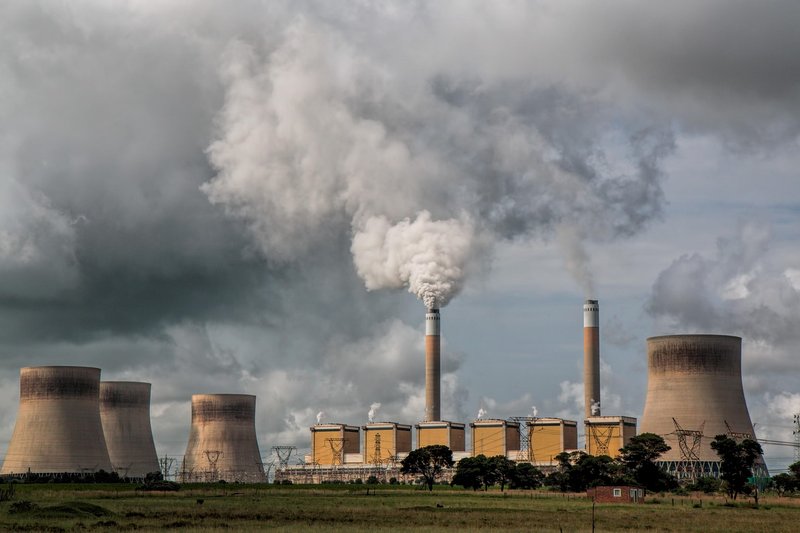
Representative image: ELG21 / Pixabay
Cyclone Arnab began making landfall near Yanam and Kakinada early on October 28, 2026, with winds up to 135 kmph; about 98,000 people were moved in two states.
What Happened
Cyclone Arnab, a very severe cyclonic storm over the Bay of Bengal, began making landfall on the Andhra Pradesh coast near Yanam, close to the port city of Kakinada, in the early hours of Wednesday, October 28, 2026, according to the Andhra Pradesh Chief Minister's Office and the India Meteorological Department (IMD). The IMD put maximum sustained winds at 125 to 135 kmph, gusting to 150 kmph. Ahead of landfall, about 50,000 people in Andhra Pradesh and 48,000 in Odisha were told to move to safe places. Officials expected the landfall process to be completed by about 4 am, with heavy rain and strong winds continuing afterwards.
Key Facts
- Landfall: began early on October 28, 2026, near Yanam, close to Kakinada, on the coast between Bapatla and Visakhapatnam.
- Strength: very severe cyclonic storm; IMD gave sustained winds of 125-135 kmph, gusting to 150 kmph.
- Evacuations: about 50,000 people in Andhra Pradesh and 48,000 in Odisha, according to reports.
- Worst-hit areas expected: Kakinada, Konaseema and West Godavari districts, along with East Godavari and Yanam, where the IMD forecast the highest storm surge.
- IMD warnings: "total destruction" of thatched houses, uprooting of power and communication poles, localised flooding and "widespread damage" to standing crops.
- Flights to Andhra Pradesh and Odisha were expected to be among the most affected, according to the civil aviation ministry.
- Schools in several Andhra and Odisha districts were closed for October 27-28, and farmers had been told to harvest and secure mature paddy.
Why It Matters
A very severe cyclonic storm is strong enough to flatten weak houses, bring down trees and power lines, and push seawater inland through storm surge, as the IMD's own warnings set out. The districts around Kakinada and Konaseema are farming areas where paddy was still standing in the fields, which is why both states told farmers to harvest mature crops and secure grain before the storm. Fishing families and people in thatched houses near the shore are the most exposed.
The scale of the evacuations shows how disaster response along India's east coast now works. States move people to cyclone shelters and relief camps before the storm arrives, using IMD forecasts issued days in advance. The aim is to keep deaths as low as possible, even if property and crops cannot be protected. The Centre's crisis management committee had already put national disaster response forces on standby, and Odisha deployed fire teams across the districts under alert.
Rain and strong winds were expected to continue even after the landfall process ended, according to the IMD, so the danger does not pass when the centre of the storm moves inland. Fallen power lines, flooded roads and weakened buildings remain risks for people who return home too early.
For the wider region, the storm is expected to bring heavy rain inland as it weakens. That can cause flooding in low-lying areas and rivers well away from the coast over the next day or two.
| State | People evacuated (reported) | Areas on highest alert |
|---|---|---|
| Andhra Pradesh | About 50,000 | Kakinada, Konaseema, East and West Godavari |
| Odisha | About 48,000 | Southern coastal districts under red and orange alerts |
| Puducherry (Yanam) | Not reported | Yanam, near the landfall point |
Impact
Short-term: Power and telecom outages, blocked roads, flight cancellations and damage to houses and crops are likely in the landfall area. Relief camps will stay open while damage is assessed. Casualty and damage figures had not been released at the time of writing.
Long-term: Crop losses in the Godavari delta could hit farm incomes and paddy supplies, and the states are likely to seek central assistance for relief and rebuilding once assessments are done.
Who is affected: Residents of coastal Andhra Pradesh, Yanam and southern Odisha, especially fishing communities and people in thatched or weak houses; farmers with standing crops; air and rail travellers; and the state and central disaster response agencies.
Key Takeaway
Cyclone Arnab crossed the Andhra coast near Yanam and Kakinada early on October 28 with winds up to 135 kmph, after about 98,000 people were moved to safety in Andhra Pradesh and Odisha.
Questions and Answers
Where did Cyclone Arnab make landfall?
It began making landfall near Yanam, close to Kakinada in Andhra Pradesh, in the early hours of October 28, 2026, on the stretch of coast between Bapatla and Visakhapatnam.
How strong is Cyclone Arnab?
The IMD classed it as a very severe cyclonic storm, with maximum sustained winds of 125 to 135 kmph and gusts up to 150 kmph at landfall.
How many people were evacuated before Cyclone Arnab?
About 50,000 people in Andhra Pradesh and 48,000 in Odisha were told to move to safe places, according to reports.
Which districts are most affected by Cyclone Arnab?
Kakinada, Konaseema, East Godavari and West Godavari in Andhra Pradesh and Yanam were expected to face the strongest winds and storm surge, with alerts also in southern Odisha.
Disclaimer: Prepared by the Peepals newsroom from publicly available sources with AI assistance. Information is accurate to the best of our knowledge at the time of publication and may change. Images may be representative. Not professional advice. Report an error via our contact page.
By Meera Iyer, Governance & Policy EditorCovers Governance & Policy and more for Peepals Bharat. All stories by Meera Iyer
Obsession Hindi version: Kriti Sanon, Varun Dhawan voice leads on JioHotstar
Akasa Air starts daily Visakhapatnam-Delhi flights from new Bhogapuram airport
Get the day's stories in your inbox
Peepals Weekly: the week decoded, free. One email a week, unsubscribe in one click.
Meera Iyer is a pen name of the Peepals Global Editorial Team, which researches, fact-checks and publishes every story. The portrait is an illustration.