
Supreme Court gives Centre four weeks to report on acid sale curbs
 By Meera IyerGovernance & Policy Editor, Peepals Bharat
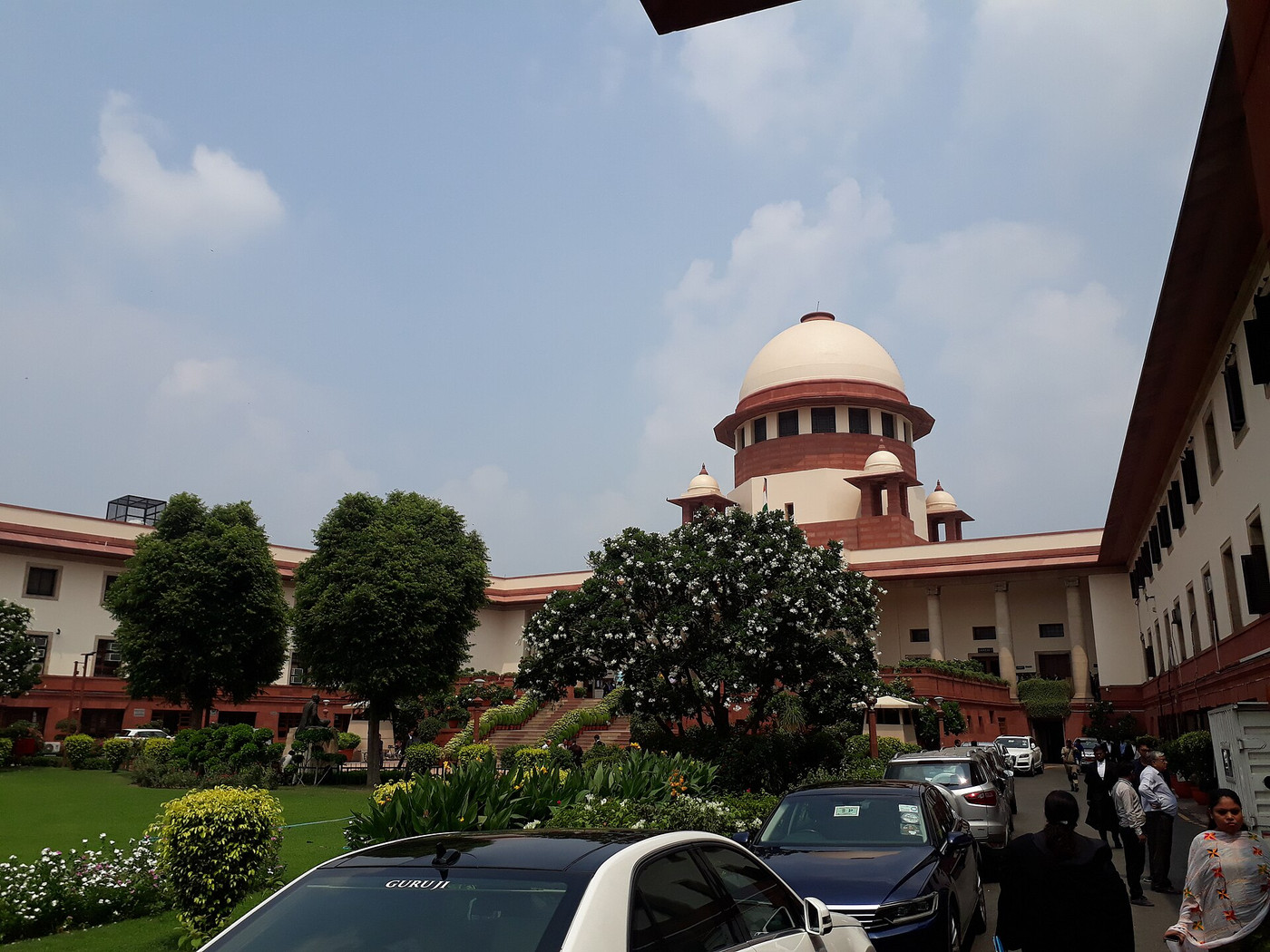
File photo: Pinakpani (CC BY-SA 4.0), via Wikimedia Commons
The Supreme Court on October 27, 2026, told the Centre to file a state-wise compliance report on acid sale curbs within four weeks, saying free sale of acid defeats its orders.
What Happened
The Supreme Court on Tuesday, October 27, 2026, directed the Centre to file a compliance report within four weeks on how acid sales are being regulated across the country, saying that the open availability of acid defeats its earlier orders. A bench led by Chief Justice of India Surya Kant asked for state-wise data on licensed acid vendors, inspections carried out, FIRs registered for illegal sales, and action taken against e-commerce platforms that sell acid. The court said the continuing number of acid attacks showed that the existing guidelines had failed. The case, Shaheen Malik v. Union of India, was filed by an acid attack survivor, and the next hearing is listed for December 3.
Key Facts
- Date and bench: October 27, 2026; bench led by CJI Surya Kant.
- Order: the Centre must file a compliance report within four weeks.
- Data sought: state-wise figures on licensed vendors, inspections, FIRs for illegal sale and action against online sellers.
- Earlier directions: orders of 2013 and 2015 required buyers to show identification and state their purpose, and barred sales to minors.
- Centre's position: the Solicitor General said the Home Ministry had issued advisories and model rules, but enforcement lies with the states.
- Court's view: the Centre must ensure that states implement the guidelines.
- Next hearing: December 3, 2026.
Why It Matters
Acid attacks cause lifelong disfigurement, blindness and trauma. Acid is cheap and widely used in homes and industry, which makes it easy to obtain. More than a decade ago, the Supreme Court tried to cut off easy access: it ordered that acid be sold only to buyers who show identification and give a reason, that sellers keep records, and that sales to minors be banned. The court's remarks now suggest that, in practice, these rules are widely ignored at shops and online.
The order puts the focus on enforcement data. By asking for numbers on licensed vendors, inspections and FIRs, the court wants to know whether states are actually policing acid sales, not just whether rules exist on paper. Including e-commerce platforms is significant, because online marketplaces can sell acid products across state lines with little checking of who is buying.
The case also highlights a recurring problem in Indian governance: the Centre writes model rules and advisories, but police and licensing are state subjects. The Solicitor General's argument that enforcement lies with the states was met by the court's insistence that the Centre ensure implementation. In earlier hearings, the court had asked the Centre to consider a complete ban on retail sale of acid or much stricter controls, which would require coordinated action across states.
For survivors, the case is personal: the petition was brought by an acid attack survivor, and the earlier hearings examined whether only a full ban on retail sale would make the existing protections real.
| Measure | What the court has asked for |
|---|---|
| Licensed vendors | State-wise numbers |
| Inspections | How many have been carried out |
| FIRs | Cases registered for illegal sale |
| Online sellers | Action against e-commerce platforms |
| Deadline | Four weeks from October 27, 2026 |
Impact
Short-term: The Home Ministry will need to collect data from all states and union territories within four weeks, which may itself prompt states to step up inspections before the December 3 hearing.
Long-term: If the report confirms poor enforcement, the court could order tougher measures, including the stricter controls or retail ban it has discussed, and closer regulation of online sales.
Who is affected: Women and girls at risk of acid attacks, survivors seeking justice and rehabilitation, shopkeepers and online platforms that sell acid, state police and licensing authorities, and the Union Home Ministry.
Key Takeaway
The Supreme Court has given the Centre four weeks to show, state by state, whether acid sale rules are being enforced, after concluding that acid remains freely available despite orders dating back to 2013.
Questions and Answers
What did the Supreme Court order on acid sales?
On October 27, 2026, the Supreme Court directed the Centre to file a compliance report within four weeks, with state-wise data on licensed acid vendors, inspections, FIRs for illegal sales and action against e-commerce platforms.
What are the existing rules on buying acid in India?
Under the court's 2013 and 2015 directions, buyers must show identification and state the purpose of the purchase, sellers must keep records, and acid cannot be sold to minors.
Who enforces acid sale rules?
The Union Home Ministry has issued advisories and model rules, but enforcement is carried out by the states. The court said the Centre must ensure states implement the guidelines.
When is the next hearing?
The case, Shaheen Malik v. Union of India, is next listed for hearing on December 3, 2026.
Disclaimer: Prepared by the Peepals newsroom from publicly available sources with AI assistance. Information is accurate to the best of our knowledge at the time of publication and may change. Images may be representative. Not professional advice. Report an error via our contact page.
By Meera Iyer, Governance & Policy EditorCovers Governance & Policy and more for Peepals Bharat. All stories by Meera Iyer
Get the day's stories in your inbox
Peepals Weekly: the week decoded, free. One email a week, unsubscribe in one click.
Meera Iyer is a pen name of the Peepals Global Editorial Team, which researches, fact-checks and publishes every story. The portrait is an illustration.