
BHAVYA Rasayan Scheme: Nadda asks states to help build chemical parks
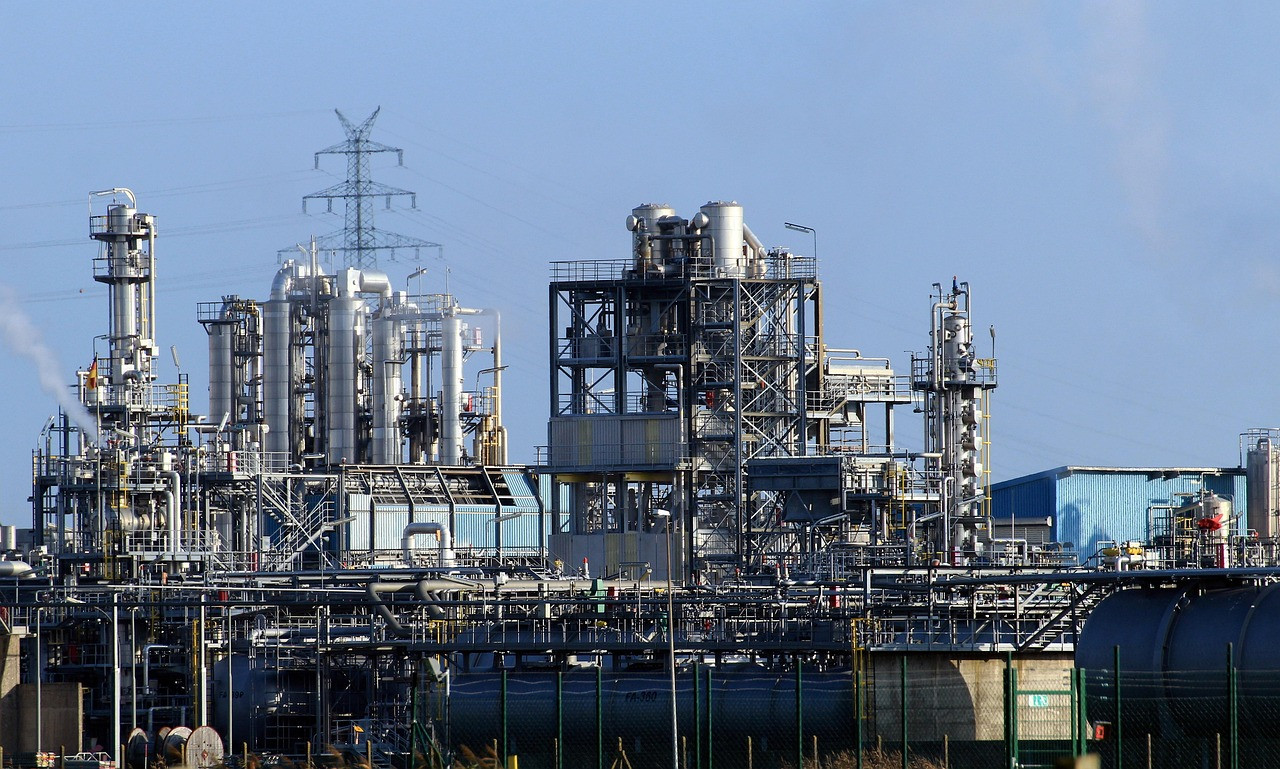
Representative image: 127071 / Pixabay
At India Chem 2026 in Mumbai on October 22, Nadda called the BHAVYA Rasayan chemical parks scheme a game changer and set a $1 trillion chemicals goal for 2040.
What Happened
Union Chemicals and Fertilisers Minister J P Nadda inaugurated the 14th edition of India Chem 2026, the government's international exhibition and conference for the chemicals and petrochemicals industry, at the Bombay Exhibition Centre in Mumbai on Thursday, October 22, 2026. Speaking at the event, he described the Bharat Audyogik Vikas Yojna (BHAVYA) Rasayan Scheme for new dedicated chemical parks as a game changer for the sector and urged states to work closely with the Centre to implement it. He said India aims to build a one-trillion-dollar chemicals market by 2040.
Key Facts
- Event: India Chem 2026, 14th edition, Bombay Exhibition Centre (NESCO), Mumbai, inaugurated on October 22, 2026.
- Scheme: BHAVYA Rasayan, for three new dedicated chemical parks, according to reports of the event.
- Funding pattern: one report said the Centre would provide Rs 1,000 crore for each chemical park and the state concerned would contribute at least Rs 500 crore.
- Target: Nadda said India aims for a one-trillion-dollar chemicals market by 2040.
- Infrastructure focus: he stressed links to ports, railways, airports and roads, and integrated value chains, as keys to competitive chemical hubs.
- States' role: Nadda and Minister of State Anupriya Patel both called for close coordination between industry, states and the Centre.
- Investment pitch: the chief ministers of Madhya Pradesh and Odisha invited investment at the event, one report said.
Why It Matters
Chemicals are an input to almost every manufactured product, from medicines and fertilisers to plastics, paints and textiles. A country that wants to make more goods at home needs a strong chemicals base, or it remains dependent on imports for key raw materials. The government's plan is to concentrate new production in large, purpose-built parks where companies can share infrastructure such as power, water, waste treatment and transport links.
That is what the BHAVYA Rasayan scheme is meant to deliver. A chemical park built from scratch needs land, environmental clearances, pipelines, effluent plants and good connections to ports, through which raw materials and finished products move. Nadda's emphasis on connectivity reflects that. Under the funding model described in one report, the Centre would put Rs 1,000 crore into each park and the state at least Rs 500 crore, so states that want a park must commit their own money and land.
This is why the minister appealed to states. Land and local approvals are state subjects, and investors look for states that can deliver both quickly. The presence of chief ministers from Madhya Pradesh and Odisha at the event suggests states are already competing to host such parks.
The trillion-dollar target for 2040 is ambitious and depends on new investment arriving at scale. Chemical parks can also raise environmental and safety concerns for nearby communities, so how states handle clearances, pollution control and local consultation will matter as much as the funding.
| Element | What has been said |
|---|---|
| Scheme | BHAVYA Rasayan, for three new chemical parks |
| Central support | Rs 1,000 crore per park (one report) |
| State share | At least Rs 500 crore per park (one report) |
| Long-term goal | One-trillion-dollar chemicals market by 2040 |
What it means for you: For businesses in the chemicals supply chain, the scheme signals where new industrial clusters may come up and where incentives may be offered. For workers and job-seekers in states that win a park, it could mean new manufacturing jobs over the coming years.
Impact
Short-term: States are likely to step up proposals to host the new parks, and companies at India Chem will weigh investment plans against the scheme's details.
Long-term: If the parks are built and filled, India could reduce its reliance on imported chemicals and expand exports, supporting the 2040 market target.
Who is affected: Chemical and petrochemical companies, state governments, workers in industrial regions, downstream industries such as pharmaceuticals and textiles, and communities near proposed park sites.
Key Takeaway
At India Chem 2026 in Mumbai on October 22, 2026, J P Nadda called the BHAVYA Rasayan chemical parks scheme a game changer and asked states to help implement it, as India targets a one-trillion-dollar chemicals market by 2040.
Questions and Answers
What is the BHAVYA Rasayan Scheme?
It is a central scheme for building three new dedicated chemical parks. One report of the India Chem 2026 event said the Centre would give Rs 1,000 crore for each park and the state would contribute at least Rs 500 crore.
What did J P Nadda say at India Chem 2026?
Inaugurating the event in Mumbai on October 22, 2026, Nadda called the BHAVYA Rasayan Scheme a game changer, stressed port, rail, air and road connectivity for chemical hubs, and said India aims for a one-trillion-dollar chemicals market by 2040.
Why do states matter for the scheme?
Nadda said states will play a very important role in implementing it. States control land and many approvals, and under the reported funding pattern they must contribute to each park.
What is India Chem?
India Chem is an international exhibition and conference for the chemicals and petrochemicals sector. The 2026 edition, its 14th, is being held at the Bombay Exhibition Centre in Mumbai.
Disclaimer: Prepared by the Peepals newsroom from publicly available sources with AI assistance. Information is accurate to the best of our knowledge at the time of publication and may change. Images may be representative. Not professional advice. Report an error via our contact page.
Sourced and fact-checked by the Peepals Global Editorial Team
Pre-trial detention cannot become punishment: Supreme Court grants Mahesh Joshi bail
IIFA 2027: Varun Dhawan promises awards 'only about films' in Abu Dhabi
Reported, fact-checked and published by the Peepals Global Editorial Team.