
Pre-trial detention cannot become punishment: Supreme Court grants Mahesh Joshi bail
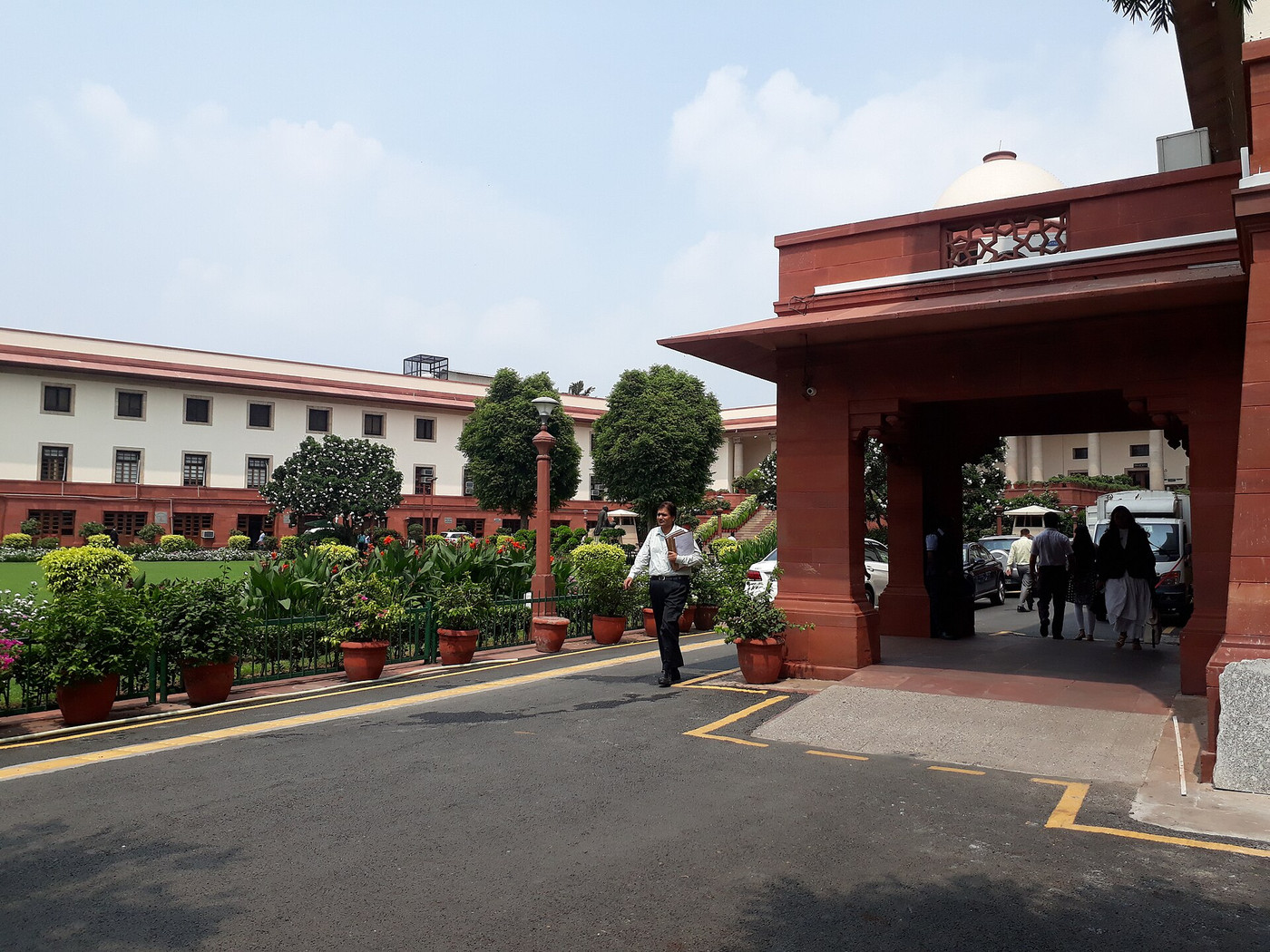
File photo: Pinakpani (CC BY-SA 4.0), via Wikimedia Commons
The Supreme Court said pre-trial detention cannot become punishment without trial, granting bail to Mahesh Joshi in the Jal Jeevan Mission tender case.
What Happened
Pre-trial detention cannot be allowed to turn into punishment without trial, the Supreme Court has said in a judgment granting regular bail to former Rajasthan minister Mahesh Chandra Joshi and co-accused Mukesh Pathak in a corruption case over alleged irregularities in Jal Jeevan Mission tenders. The bench of Justices Dipankar Datta and Sheel Nagu passed the bail order on October 16, 2026, and its detailed reasoning was reported on October 22, 2026. The court set aside a Rajasthan High Court order of August 13, 2026 that had refused bail.
Key Facts
- Bench: Justices Dipankar Datta and Sheel Nagu of the Supreme Court; verdict reserved on October 12 and order dated October 16, 2026.
- Accused: Mahesh Chandra Joshi, a former Rajasthan minister, and Mukesh Pathak, in a case registered by the state's Anti-Corruption Bureau.
- Allegation: irregularities in tenders under the Jal Jeevan Mission, the scheme to provide tap water connections to rural homes; one report puts the tenders at about Rs 979 crore across 104 work orders.
- Custody: Joshi had been in custody in this case since May 7, 2026; investigation was complete and chargesheets had been filed.
- Principle: the court said the gravity of an allegation, however serious, cannot by itself justify indefinite detention before trial, linking this to the right to life and personal liberty under Article 21 of the Constitution.
- Left open: questions such as successive FIRs, double jeopardy, Section 17A of the Prevention of Corruption Act and the legality of the arrest were not decided.
- Status: bail is not an acquittal; the allegations will be tested at trial.
Why It Matters
An undertrial is a person held in jail who has not been convicted and is waiting for the case to be heard. In serious cases, particularly those involving alleged corruption or economic offences, the size of the alleged wrongdoing is often cited as a reason to refuse bail. In this case, the Rajasthan High Court had refused bail in August. The Supreme Court's judgment says that the seriousness of a charge cannot, on its own, carry that weight.
The bench's reasoning rests on a simple idea. Keeping a person in jail before trial is meant to protect the investigation and the trial, for example by stopping an accused from fleeing, threatening witnesses or destroying evidence. It is not meant to punish. Once the investigation is over and the chargesheet has been filed, and when the trial is likely to be long because the record is huge, continued detention starts to look like punishment imposed before any court has found the person guilty. The court said any genuine concern of the prosecution could be handled by placing conditions on bail rather than by keeping the accused in jail.
At the same time, the court did not take a soft view of the allegations. It accepted that the state was entitled to oppose bail for people accused of such extensive wrongdoing, and it refused to look at the merits of the case. It also left all the larger legal questions raised by the defence for the trial court and other proceedings. That balance is likely to make the ruling useful as a precedent: it does not say corruption cases deserve easy bail, only that seriousness alone cannot justify open-ended detention.
The case matters for governance too. The Jal Jeevan Mission funds tap water connections for rural homes, and state departments award large contracts under it. Allegations of tender irregularities raise questions about how such contracts are monitored. The bail order does not answer those questions; the trial will.
| Point | What the court said |
|---|---|
| Seriousness of charge | Cannot alone justify indefinite pre-trial detention |
| Prosecution's concerns | Can be met through bail conditions |
| Merits of the case | Not examined at the bail stage |
| Larger legal pleas | Left open for other proceedings |
Impact
Short-term: Joshi and Pathak can be released on bail subject to the conditions set by the court, while the corruption trial continues. The state retains its case in full.
Long-term: Defence lawyers in long-running corruption and economic offence cases are likely to cite the judgment where investigation is complete and trials will take years. Trial courts and High Courts may be expected to explain more clearly why detention must continue in such cases.
Who is affected: Undertrial prisoners and their families, trial courts and High Courts deciding bail, investigating agencies such as anti-corruption bureaus, and the people of Rajasthan who depend on Jal Jeevan Mission water projects.
Key Takeaway
The Supreme Court ruled that prolonged pre-trial detention cannot become punishment without trial while granting bail to Mahesh Chandra Joshi and Mukesh Pathak in the Jal Jeevan Mission tender case, without ruling on the allegations.
Questions and Answers
What did the Supreme Court say about pre-trial detention?
A bench of Justices Dipankar Datta and Sheel Nagu said prolonged pre-trial detention cannot be allowed to degenerate into punishment without trial. The gravity of the allegations, however serious, cannot alone justify keeping an accused in jail indefinitely before trial.
Who got bail in the Jal Jeevan Mission case?
Former Rajasthan minister Mahesh Chandra Joshi and co-accused Mukesh Pathak were granted regular bail by an order dated October 16, 2026. The court set aside the Rajasthan High Court's August 13, 2026 order refusing bail.
Does bail mean the accused are innocent?
No. Bail only means they need not stay in jail while the case is tried. The court did not examine the merits, and the allegations of tender irregularities will be decided at trial.
Why did the court grant bail?
The court noted that the investigation was complete, chargesheets had been filed, the trial was likely to be long, and Joshi had been in custody since May 7, 2026. It said any concerns of the prosecution could be met through bail conditions.
Disclaimer: Prepared by the Peepals newsroom from publicly available sources with AI assistance. Information is accurate to the best of our knowledge at the time of publication and may change. Images may be representative. Not professional advice. Report an error via our contact page.
Sourced and fact-checked by the Peepals Global Editorial Team
Sourav Ganguly loses bid to stop Doosra release as Delhi HC refuses stay
BHAVYA Rasayan Scheme: Nadda asks states to help build chemical parks
Reported, fact-checked and published by the Peepals Global Editorial Team.