
Bombay High Court calls Mumbai pollution worse than Delhi, sets firecracker deadlines
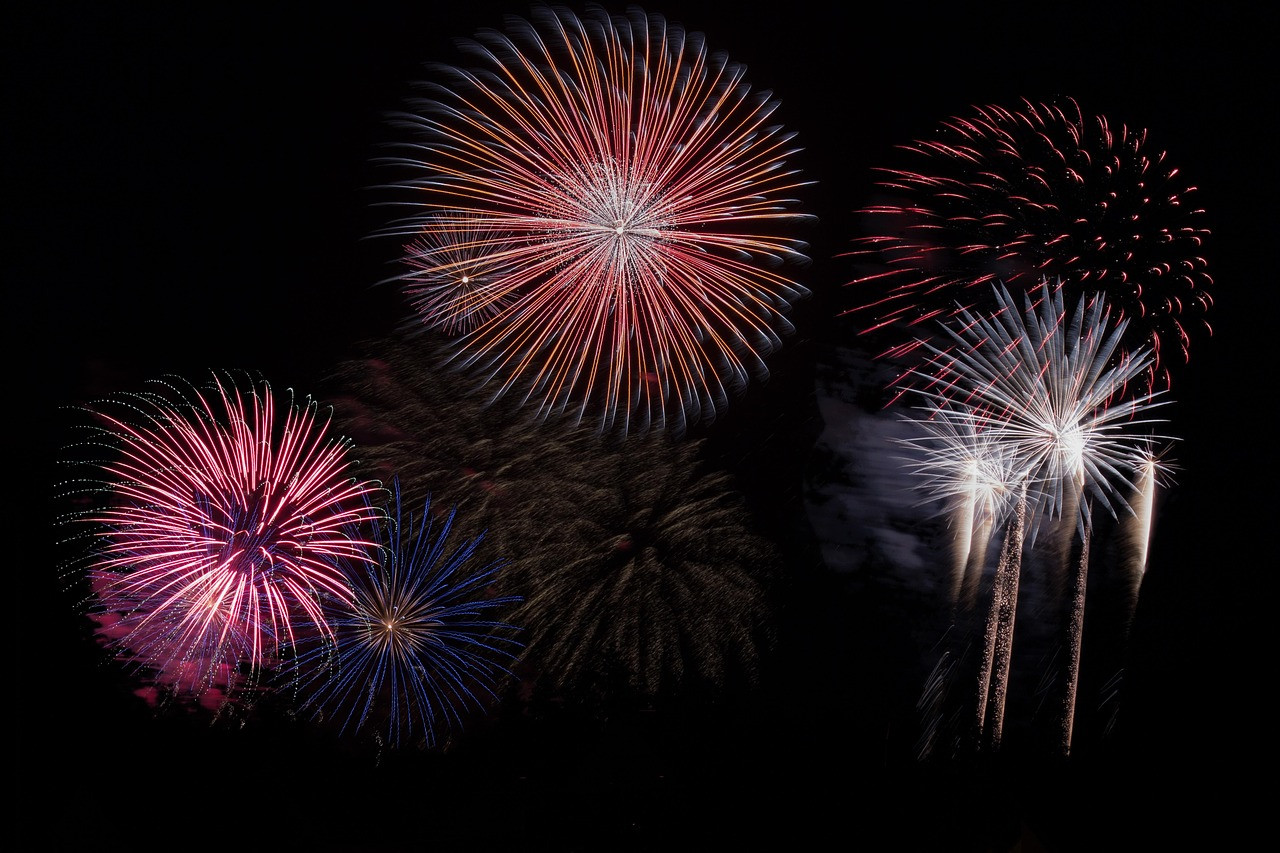
Representative image: nidan / Pixabay
The High Court of Bombay on October 21, 2026 said Mumbai's pollution exceeding Delhi's was shocking and set October 24 and 26 deadlines to enforce its firecracker ban.
What Happened
The High Court of Bombay on Wednesday, October 21, 2026, pulled up Mumbai's civic body, police and pollution regulator for failing to enforce its ban on bursting firecrackers on public roads, and called it shocking that the coastal city was recording pollution levels higher than Delhi's. A division bench of Justices Girish Kulkarni and Neela Gokhale noted that its earlier order had been openly broken during the recent Durga immersion processions. The bench ordered the Brihanmumbai Municipal Corporation (BMC) and the Maharashtra Pollution Control Board (MPCB) to issue public notices by October 24, told the BMC and Mumbai Police commissioners to file affidavits on enforcement by October 26, and warned that it could start contempt proceedings.
Key Facts
- The bench of Justices Girish Kulkarni and Neela Gokhale heard the matter on October 21, 2026.
- On October 15, the court had imposed a ban on bursting firecrackers on public streets, roads and footpaths, and near silence zones such as hospitals, schools, courts and government offices.
- The court said there had been no compliance, especially during religious processions including the Durga immersion processions.
- The BMC and MPCB must publish public notices about the ban by October 24.
- The BMC commissioner and Mumbai Police commissioner must file affidavits by October 26, and the authorities must draw up a standard operating procedure (SOP) for acting against violators.
- The heads of the BMC, police and MPCB were summoned for October 26, according to reports of the hearing, with the court warning of contempt.
- The court described as "shocking" that Mumbai's pollution was higher than Delhi's, and said the official machinery was extremely slow to act.
Why It Matters
Delhi is usually seen as the centre of India's air-pollution problem, so the court's remark about Mumbai stands out. The bench questioned how a coastal city with sea breeze and open spaces could be recording dirtier air than the capital, and treated that as a sign that existing measures are not working. Firecrackers are only one source of pollution, but they are one that the authorities can control directly in the short term.
The hearing is less about new rules than about whether the existing ones are obeyed. The ban the court imposed on October 15 was clear, but bursting continued during festival processions. Enforcement during festivals is difficult, because crowds are large and processions move through many neighbourhoods. That is why the bench went further this time: it asked for a written procedure so that police and civic officers know exactly what to do when they see a violation, and it asked the top officials to answer personally. Requiring the commissioners to file affidavits makes them answerable on record for what their departments have done.
The timing is important. Diwali falls on November 8 this year, and the weeks around it usually bring the most firecracker use of the year. Public notices before October 24 are meant to make sure residents, housing societies and organisers of public events know the rules in advance, so that ignorance cannot be offered as an excuse later.
The case also reflects a wider pattern of courts stepping in on environmental governance in Indian cities. When municipal bodies and pollution boards are slow, judges increasingly set deadlines, ask for affidavits and threaten contempt to push them. Whether this produces lasting change depends on whether the agencies build enforcement into their routine, rather than responding only when a court summons them.
| Date (2026) | Step |
|---|---|
| October 15 | High Court bans bursting firecrackers on public roads and near silence zones |
| October 21 | Court finds non-compliance, issues fresh directions |
| October 24 | Deadline for BMC and MPCB public notices |
| October 26 | Affidavits due; officials summoned |
| November 8 | Diwali |
Impact
Short-term: Mumbai residents and festival organisers can expect clearer notices and stricter police action against bursting firecrackers on roads and near hospitals and schools in the run-up to Diwali. Civic and police officials face personal scrutiny when the court sits again on October 26.
Long-term: An SOP for violations could become a permanent part of how Mumbai handles festival pollution and noise, and may serve as a model for other Maharashtra cities. Sustained enforcement could also push authorities to tackle other sources such as construction dust.
Who is affected: Mumbai's residents, especially children, older people and people with breathing problems; hospitals, schools and courts in silence zones; housing societies and festival organisers; and the BMC, Mumbai Police and MPCB.
Key Takeaway
The High Court of Bombay has given Mumbai's civic body, police and pollution board firm deadlines to enforce its ban on bursting firecrackers on public roads before Diwali, after calling it shocking that the city's air was dirtier than Delhi's.
Questions and Answers
What did the High Court of Bombay say about Mumbai's pollution?
On October 21, 2026, a bench of Justices Girish Kulkarni and Neela Gokhale said it was shocking that Mumbai was recording pollution levels higher than Delhi's, and criticised the BMC, Mumbai Police and the Maharashtra Pollution Control Board for failing to enforce its orders.
Are firecrackers banned in Mumbai?
The High Court has banned bursting firecrackers on public roads, streets and footpaths, and in silence zones around hospitals, schools, courts and government offices. The ban was imposed on October 15, 2026.
What are the deadlines the court has set?
The BMC and MPCB must issue public notices by October 24, and the BMC and police commissioners must file affidavits on enforcement by October 26. Authorities must also prepare an SOP for acting against violators.
Why is the court acting now?
The ban was broken during the recent Durga immersion processions, and Diwali, usually the peak period for firecrackers, falls on November 8, 2026.
Disclaimer: Prepared by the Peepals newsroom from publicly available sources with AI assistance. Information is accurate to the best of our knowledge at the time of publication and may change. Images may be representative. Not professional advice. Report an error via our contact page.
Sourced and fact-checked by the Peepals Global Editorial Team
Havells revenue jumps 35% on cable sales, but profit rises only 10%
Bharat Gaurav trains leave Solapur, Bengaluru on pilgrimage tours from Rs 18,670
Reported, fact-checked and published by the Peepals Global Editorial Team.