
C-CAMP gets Rs 500 crore from RDI Fund to back deeptech start-ups
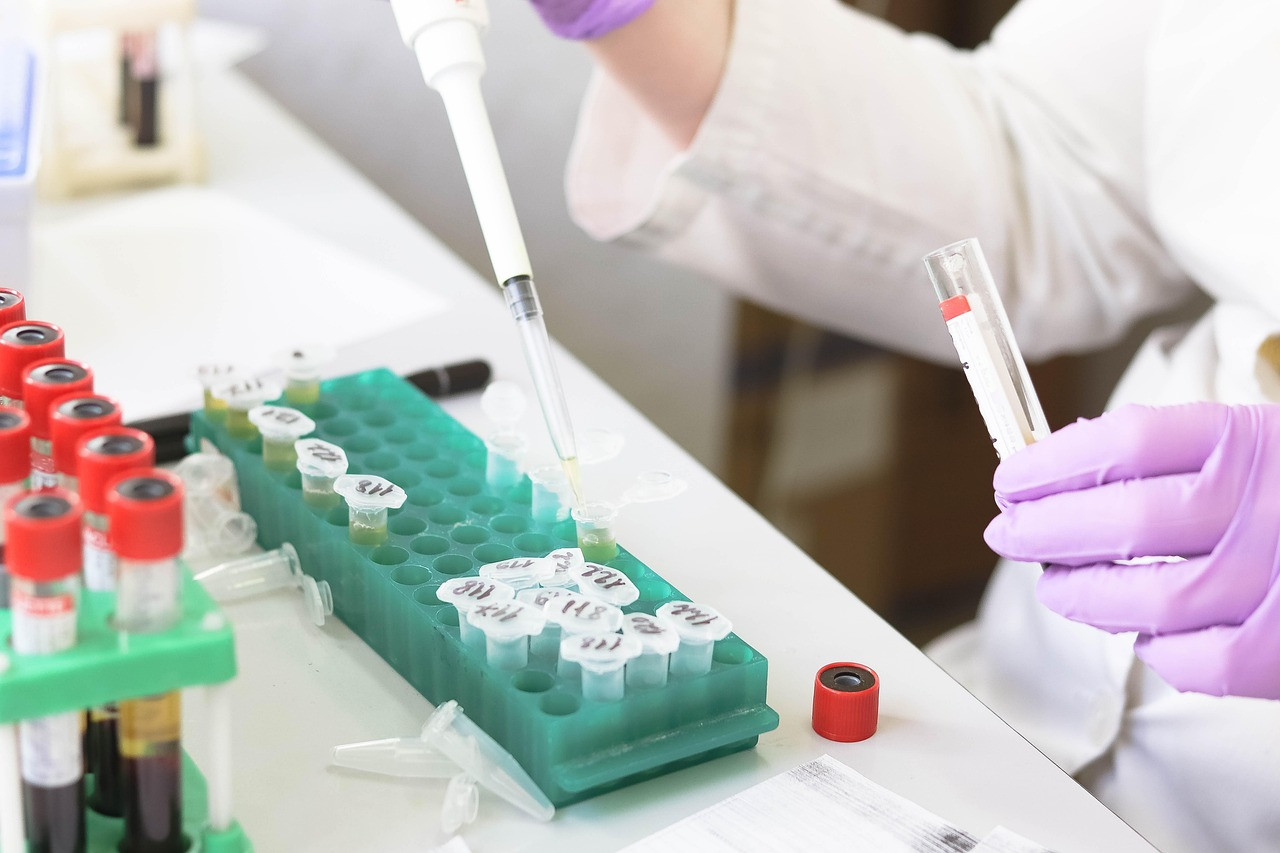
Representative image: Belova59 / Pixabay
Bengaluru's C-CAMP has Rs 500 crore under the Rs 1 lakh crore RDI Fund, the only biotech body among 19 fund managers, to back life-science start-ups (reported Oct 16, 2026).
What Happened
The Bengaluru-based Centre for Cellular and Molecular Platforms (C-CAMP) has been picked as one of five Focused Research Organisations under the Centre's Rs 1 lakh crore Research, Development and Innovation (RDI) Fund, with Rs 500 crore earmarked for it to back deeptech start-ups. The selection was reported on October 16, 2026. C-CAMP, which works under the Department of Biotechnology, said it is the only dedicated biotechnology organisation among the first 19 fund managers chosen under the scheme, and that it plans to raise the pool to more than Rs 1,000 crore with private investors.
Key Facts
- C-CAMP has an allocation of Rs 500 crore from the RDI Fund as a "second-level fund manager".
- The first cohort of 19 second-level fund managers has a total RDI Fund commitment of Rs 7,131 crore.
- The cohort has 14 alternative investment funds and five Focused Research Organisations; C-CAMP named the other four as IISc, IIT Bombay, IIT Madras and BITS Pilani.
- An Empowered Group of Secretaries approved the cohort at a meeting on October 8, 2026; it was announced on October 12.
- The money is meant for companies whose technology has reached Technology Readiness Level (TRL) 4 or higher.
- C-CAMP says it will build a consortium of more than Rs 1,000 crore for deeptech life-science start-ups in healthcare, agriculture, food security and the environment.
- The Union Cabinet approved the Rs 1 lakh crore RDI Fund on July 1, 2025.
Why It Matters
Deeptech start-ups, which build products from new science such as new medicines, crop technologies or advanced materials, often struggle to raise money in India. Their products can take many years to reach the market, and ordinary venture investors usually prefer software businesses that grow faster. The RDI Fund was created to fill this gap with long-term public money that brings private money along with it.
The scheme does not hand money straight to most start-ups. Instead, the fund backs "second-level fund managers", which then choose the companies. Each of these managers is expected to raise private capital equal to what the RDI Fund puts in. The fund itself is run by an independent unit inside the Anusandhan National Research Foundation (ANRF), under the Department of Science and Technology. The first call for fund-manager applications was opened in January 2026, and proposals passed through the ANRF Executive Council before the senior officials' group approved them.
The selection of C-CAMP matters because life sciences are among the slowest and costliest areas for new companies. A biotech founder may need years of laboratory work and trials before earning any revenue. C-CAMP has run a start-up incubator in Bengaluru for years and already supports a portfolio of young companies. Two of them, Eyestem Research and Peptris Technologies, are among the 22 start-ups the RDI Fund has supported so far through direct project funding, according to C-CAMP.
The TRL 4 condition is important for founders. Technology Readiness Level is a scale from 1 to 9 that measures how close an idea is to a working product. Level 1 is basic research; level 4 roughly means the technology has been shown to work in a laboratory setting. So this money is not for raw ideas. It is for teams that have moved past the first proof and need funds to build, test and scale.
| Fund manager | Type | RDI Fund amount |
|---|---|---|
| C-CAMP | Focused Research Organisation (biotech) | Rs 500 crore |
| First cohort, all 19 managers | 14 investment funds and 5 research organisations | Rs 7,131 crore |
Impact
Short-term: Start-ups in biotech, agri-tech, food and environment technology that are at TRL 4 or above can expect a new source of funding through C-CAMP once its consortium is set up. The sources do not yet give an application date or process for start-ups, so founders should watch announcements from C-CAMP and the RDI Fund.
Long-term: If the fund managers raise matching private money as planned, the first cohort alone could bring in a similar amount from private investors on top of the Rs 7,131 crore. The RDI Fund has said it will keep inviting applications and add more fund-manager cohorts, which could widen the routes to money for research-based companies across the country.
Who is affected: Deeptech and life-science founders, including those working out of university and research-institute incubators outside the big cities; scientists who want to turn research into products; private investors who may co-invest with the fund managers; and farmers, patients and consumers who would use the products if they reach the market.
Key Takeaway
C-CAMP's Rs 500 crore allocation makes it the only dedicated biotech manager in the RDI Fund's first Rs 7,131 crore cohort, opening a new funding route for life-science start-ups at TRL 4 and above.
Questions and Answers
What is the RDI Fund?
It is a Rs 1 lakh crore Union government scheme, approved by the Cabinet on July 1, 2025, to fund research, development and innovation by companies. It is run by an independent unit within the Anusandhan National Research Foundation under the Department of Science and Technology.
How much money has C-CAMP received under the RDI Fund?
C-CAMP has an allocation of Rs 500 crore as one of 19 second-level fund managers. It says it will work with private investors to build a pool of more than Rs 1,000 crore for deeptech life-science start-ups.
Can any start-up get this money?
No. The money is meant for companies whose technology is at Technology Readiness Level 4 or higher, which roughly means it has been shown to work in a laboratory. C-CAMP's pool will focus on life sciences: healthcare, agriculture, food security and environmental sustainability.
Who are the other fund managers?
The first cohort of 19 includes 14 alternative investment funds and five Focused Research Organisations. Besides C-CAMP, the research organisations are IISc, IIT Bombay, IIT Madras and BITS Pilani, according to C-CAMP.
Disclaimer: Prepared by the Peepals newsroom from publicly available sources with AI assistance. Information is accurate to the best of our knowledge at the time of publication and may change. Images may be representative. Not professional advice. Report an error via our contact page.
Sourced and fact-checked by the Peepals Global Editorial Team
Reported, fact-checked and published by the Peepals Global Editorial Team.