
SUK-M thorium microreactor start-up raises pre-seed led by Speciale Invest
 By Siddharth VermaStaff Writer, Peepals Bharat
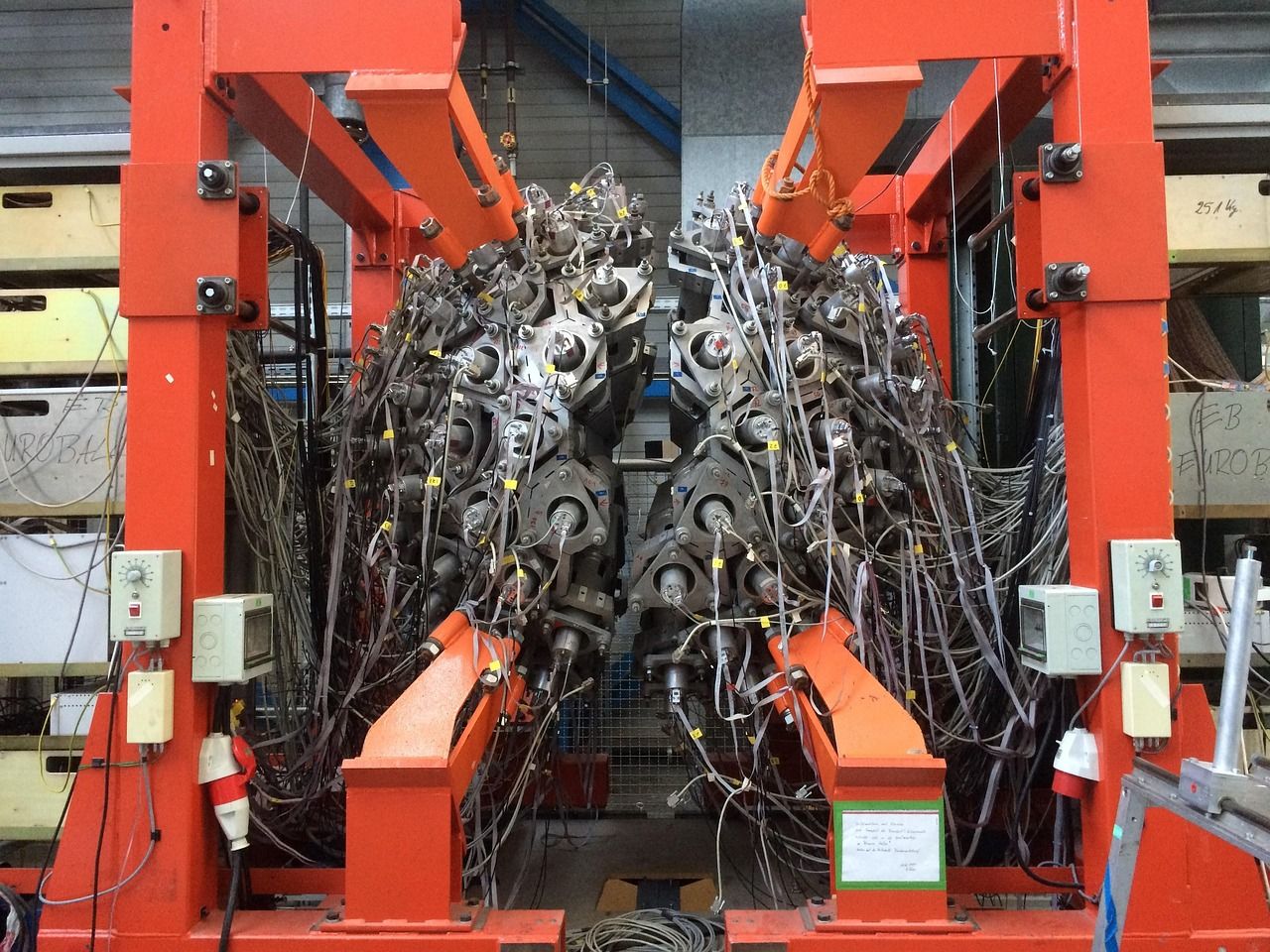
Representative image: AchimWeidner / Pixabay
Indian nuclear start-up SUK-M raised a pre-seed round led by Speciale Invest, announced on 25 November 2026, to test its thorium microreactor.
SUK-M: what happened
SUK-M, an Indian start-up designing a small nuclear reactor that runs on thorium, has raised its first institutional pre-seed funding round, led by deep-tech investor Speciale Invest. The round was announced on Wednesday, 25 November 2026. Navam Capital, BYT Capital and two angel investors also took part. The amount was not disclosed. SUK-M said it will use the money to hire scientists and engineers, set up an experimental facility and move its reactor work from computer simulations to laboratory tests.
SUK-M: key facts
- Company: SUK-M, which is developing a compact thorium-based microreactor.
- Round: pre-seed, led by Speciale Invest, announced on 25 November 2026; amount undisclosed.
- Other investors: Navam Capital, BYT Capital and two angel investors.
- Design: a Generation IV molten-salt reactor with a uranium-thorium fuel system.
- Planned output per unit: about 10 megawatts of electricity or about 30 megawatts of heat.
- Target users: heavy industry such as steel plants, data centres and green hydrogen producers.
- Use of funds: hiring, an experimental facility, and the shift from simulations to lab testing.
SUK-M: why it matters
Thorium matters to India because of how much of it the country has. Speciale Invest's founding partner Vishesh Rajaram said that India holds roughly a quarter of the world's known thorium reserves, which makes reactors designed around thorium a practical path to energy security at scale.
The policy backdrop is also changing. India's Nuclear Energy Mission sets a goal of bringing at least five domestically developed small modular reactors into operation by 2033 and reaching 100 gigawatts of nuclear capacity by 2047. Private start-ups such as SUK-M are betting that there will be room for them in that plan, especially for small reactors that could sit next to a factory or data centre and supply both power and heat, rather than large plants that feed the national grid. Such small units are aimed at users who need a steady, round-the-clock supply that solar and wind alone cannot always give.
For founders and investors watching India's deep-tech space, the round is a signal that venture funds are now willing to back very long-horizon hardware. A reactor of this kind needs years of testing and regulatory approval before it can produce power commercially, and SUK-M's design is still at an early stage, with no demonstration of commercial operation yet. Pre-seed money of this kind pays for the first experiments, not a power plant.
Peepals calculation: the design's planned outputs of about 10 megawatts of electricity from about 30 megawatts of heat imply that roughly one-third of the heat would become electricity (10 ÷ 30 ≈ 0.33, or about 33%). That is why the company also pitches the reactor as a direct heat source for industries such as steel and hydrogen, which can use the heat itself. Our calculation from the reported figures.
| Item | Detail |
|---|---|
| Start-up | SUK-M |
| Round | Pre-seed, amount undisclosed |
| Lead investor | Speciale Invest |
| Co-investors | Navam Capital, BYT Capital, two angels |
| Reactor type | Molten salt, uranium-thorium fuel |
| Output per unit | About 10 MW electric or 30 MW thermal |
SUK-M: impact
Short-term: SUK-M will recruit scientists and engineers and build an experimental facility to start laboratory tests of its design.
Long-term: If the technology works and is approved, small thorium reactors could give heavy industries a low-carbon source of steady power and heat, and help India use its own thorium.
Who is affected: Indian deep-tech founders and investors, heavy industries such as steel and hydrogen, data-centre operators seeking steady power, and science and engineering graduates looking for nuclear research jobs outside government.
SUK-M: key takeaway
Treat SUK-M as an early research bet: the milestone to watch is the move from simulations to working laboratory tests at its planned experimental facility.
SUK-M: questions and answers
What is SUK-M building?
A small molten-salt nuclear reactor using a uranium-thorium fuel system, designed to give about 10 megawatts of electricity or about 30 megawatts of heat per unit.
Who invested in SUK-M?
Speciale Invest led the pre-seed round, with Navam Capital, BYT Capital and two angel investors also taking part. The amount was not disclosed.
Why does thorium matter for India?
India holds roughly a quarter of the world's known thorium reserves, according to Speciale Invest's Vishesh Rajaram, so reactors that use thorium could reduce dependence on imported fuel.
When could SUK-M's reactor produce power?
No date for commercial power has been given. The design is at an early stage, and the new money is for laboratory tests and an experimental facility.
Disclaimer: Prepared by the Peepals newsroom from publicly available sources with AI assistance. Information is accurate to the best of our knowledge at the time of publication and may change. Images may be representative. Not professional advice. Report an error via our contact page.
By Siddharth Verma, Staff WriterCovers Business and more for Peepals Bharat. All stories by Siddharth Verma
Karnataka government schools to teach AI from Class 3, not Class 6
Hornbill Festival 2026 stargazing: Nagaland signs astro-tourism MoU with Starscapes
Your week ahead, every Sunday. Free.
Exam and result dates, IPOs opening, scheme deadlines, government holidays and the RBI decision for the next 7 days, plus the week's top stories. One email a week, unsubscribe in one click.
Siddharth Verma is a pen name of the Peepals Global Editorial Team, which researches, fact-checks and publishes every story. The portrait is an illustration.
Responsible for this story: the Peepals Global Editorial Team. How we report