
Gujarat homestay rules: nine rooms allowed, owners need not live on site
 By Siddharth VermaStaff Writer, Peepals Bharat
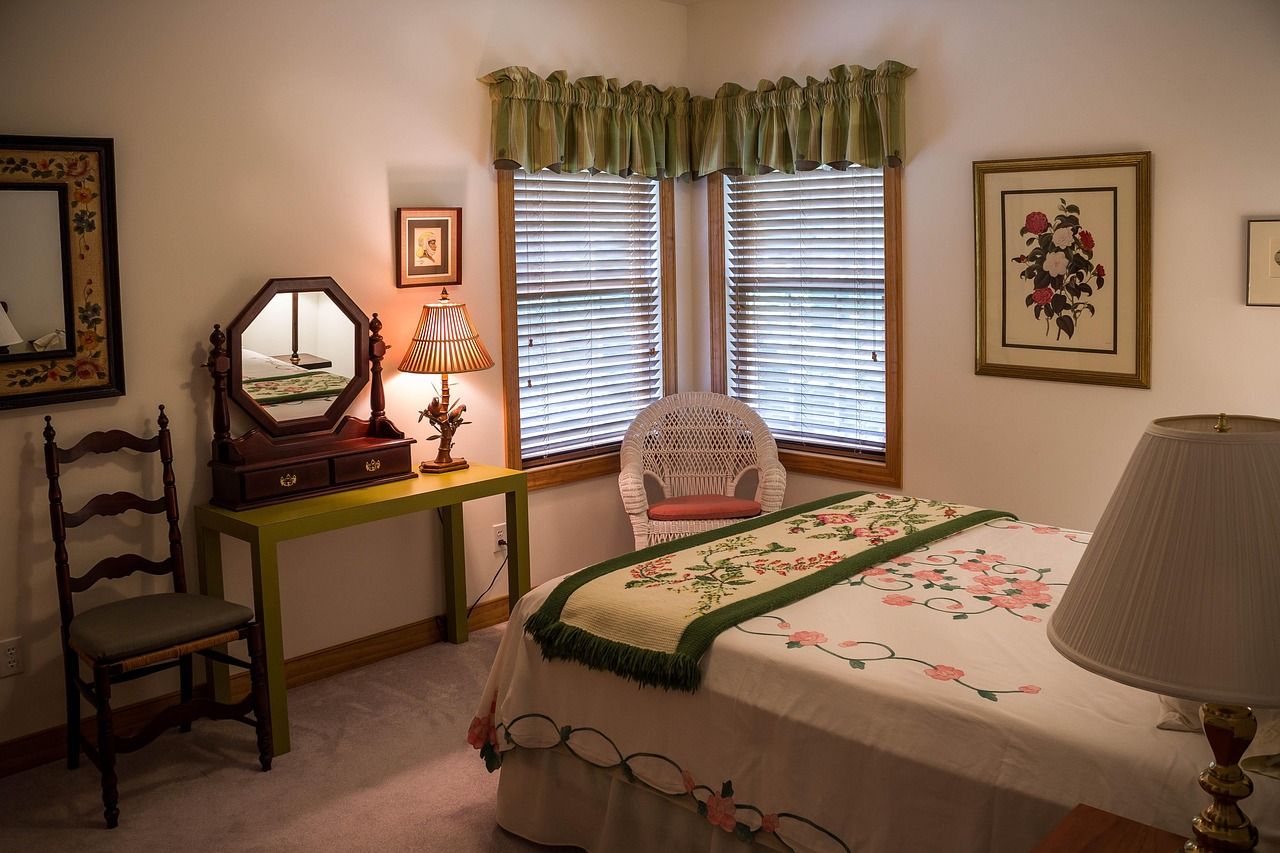
Representative image: JamesDeMers / Pixabay
Gujarat raised the homestay room cap from six to nine on 20 November 2026 and let owners appoint managers instead of living on the property.
Gujarat homestay policy: what happened
Gujarat's Tourism Department has relaxed the rules for homestays across the state, raising the number of rooms a registered homestay may offer from six to nine and dropping the condition that the owner must live on the property. The revised provisions, announced on Friday, 20 November 2026, also let owners appoint an authorised manager to run the homestay and make renewal of registration an online process based on a self-declaration.
Gujarat homestay policy: key facts
- Room limit: raised from six rooms to nine rooms per registered homestay.
- Owner residence: owners no longer have to live on the premises.
- Managers: owners may appoint an authorised manager to oversee day-to-day operations.
- Registration: valid for two years; applications go through the Tourism Department's online portal.
- Renewal: online, through a self-declaration, without a mandatory physical inspection; the department may still carry out risk-based or random inspections.
- Police verification: the police verification certificate is no longer required at registration, though existing tourist safety rules continue to apply.
- Growth: registered homestays in Gujarat rose from 148 in 2025-26 to 304 in 2026-27, the department said.
Gujarat homestay policy: why it matters
A homestay is a private house in which the family, or now a manager acting for it, rents a few rooms to travellers, usually with home-cooked food and local guidance. For a state like Gujarat, where many attractions such as the white desert of Kutch, the Gir forest, the coastal temple towns and the tribal belts of the east lie far from big hotels, homestays fill a gap in rooms and give local families an income from tourism.
The earlier framework, in place since Gujarat's homestay policy of 2014, capped a house at six rooms for tourists and was built around a resident owner. That suited a family letting out spare rooms, but it kept out people who own a second house in a tourist area, families who have moved to cities for work, and small operators who wanted a slightly bigger property. Allowing nine rooms and a manager opens registration to these groups while keeping the homestay distinct from a hotel.
The removal of the mandatory physical inspection at renewal and of the police verification certificate at registration cuts paperwork for owners. It also shifts more responsibility onto the owner's own declaration. The department has kept the power to inspect properties on a risk basis or at random, and tourist safety rules remain in force, so the change is a lighter process rather than an end to checks.
Peepals calculation: The number of registered homestays went from 148 to 304, an increase of 156, or about 105% (156 ÷ 148 ≈ 1.054), so the count roughly doubled in a year. The new cap of nine rooms is 50% higher than the old cap of six ((9 − 6) ÷ 6 = 0.5), which means a single registered house can now offer up to three more rooms. Our calculation from the reported figures.
| Rule | Before | Now |
|---|---|---|
| Rooms allowed | Six | Nine |
| Owner must live there | Yes | No |
| Manager allowed | No | Yes |
| Renewal | Physical inspection | Online self-declaration |
Gujarat homestay policy: impact
Short-term: Owners who were turned away because they did not live in the house, or who wanted more than six rooms, can now apply through the department's portal. Existing homestays can add rooms within the new limit and renew online when their registration falls due.
Long-term: More registered homestays in districts away from the main cities could spread tourist spending to villages and small towns. The state's experience will show whether lighter checks keep standards and safety at the level travellers expect.
Who is affected: Homeowners and families in tourist districts of Gujarat, small hospitality operators, travellers looking for home-style stays, and local guides, cooks and drivers who earn from homestay guests.
Gujarat homestay policy: key takeaway
Gujarat homeowners in tourist areas who were kept out by the six-room limit or the residence rule can now register a homestay of up to nine rooms and run it through a manager.
Gujarat homestay policy: questions and answers
What has changed in Gujarat's homestay rules?
A registered homestay can now offer nine rooms instead of six, the owner does not have to live there, an authorised manager can run it, and registration can be renewed online on a self-declaration.
How long is a Gujarat homestay registration valid?
Two years. Owners can renew it online through the Tourism Department's portal without a mandatory physical inspection, though the department may still inspect some properties.
Is police verification still needed to open a homestay in Gujarat?
The police verification certificate is no longer required at the time of registration, but the existing tourist safety rules still apply to every homestay.
How many homestays are registered in Gujarat?
The Tourism Department counted 304 registered homestays in 2026-27, up from 148 in 2025-26.
Disclaimer: Prepared by the Peepals newsroom from publicly available sources with AI assistance. Information is accurate to the best of our knowledge at the time of publication and may change. Images may be representative. Not professional advice. Report an error via our contact page.
By Siddharth Verma, Staff WriterCovers Business and more for Peepals Bharat. All stories by Siddharth Verma
Aeravti Ventures Fund II: Rs 300 crore for food, health, security start-ups
Dalimb trailer: Jitendra Kumar's ZEE5 thriller premieres December 4
Your week ahead, every Sunday. Free.
Exam and result dates, IPOs opening, scheme deadlines, government holidays and the RBI decision for the next 7 days, plus the week's top stories. One email a week, unsubscribe in one click.
Siddharth Verma is a pen name of the Peepals Global Editorial Team, which researches, fact-checks and publishes every story. The portrait is an illustration.
Responsible for this story: the Peepals Global Editorial Team. How we report