
Energy storage VGF scheme: Cabinet clears Rs 14,500 crore for 92 GWh
 By Meera IyerGovernance & Policy Editor, Peepals Bharat
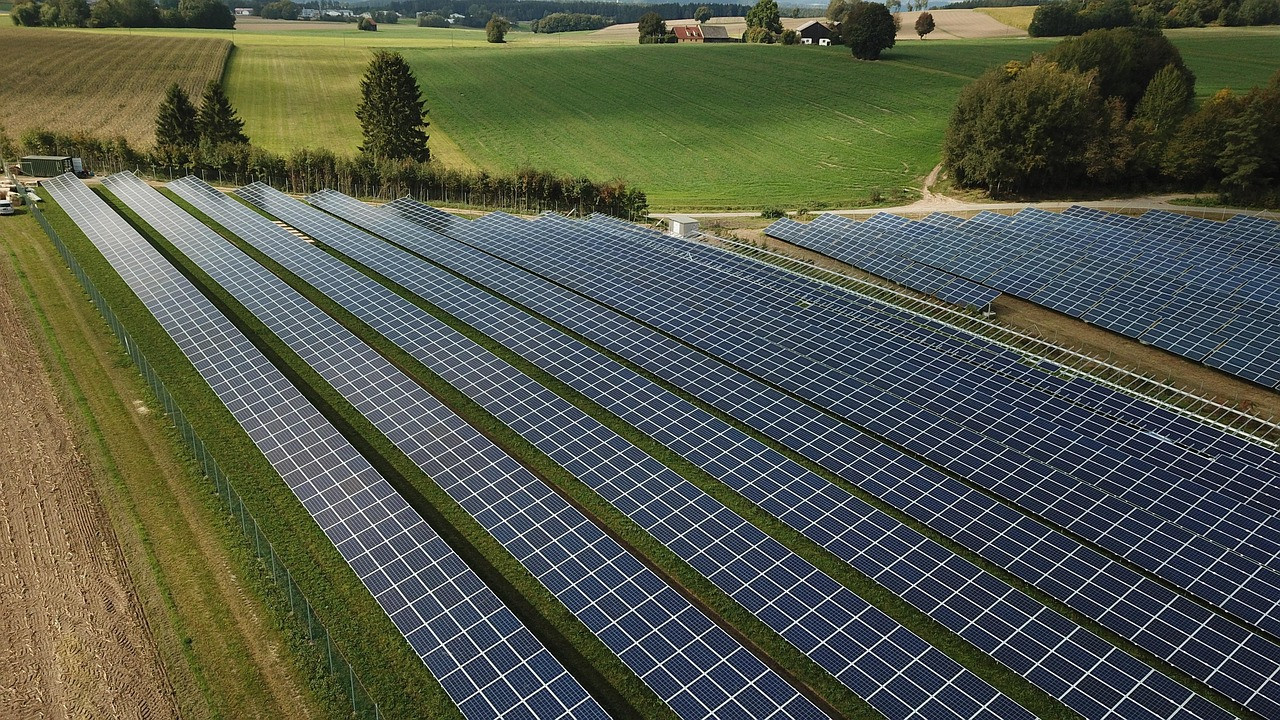
Representative image: fabersam / Pixabay
The Union Cabinet on 4 November 2026 approved Rs 14,500 crore of viability gap funding for 92 GWh of pumped hydro, battery and other grid-scale storage.
What Happened
The Union Cabinet on Wednesday, 4 November 2026, approved a Viability Gap Funding (VGF) scheme of Rs 14,500 crore to build 92 gigawatt-hours (GWh) of grid-scale energy storage across India. Briefing reporters in New Delhi, Union Minister Ashwini Vaishnaw said 60 GWh will come from pumped storage hydro plants, 30 GWh from battery storage and 2 GWh from emerging technologies. The scheme will run for five years, from 2026-27 to 2030-31.
Key Facts
- Central support: Rs 14,500 crore of viability gap funding, the government's share to make storage projects financially workable.
- Capacity: 92 GWh in all, split into 60 GWh of pumped storage hydro, 30 GWh of battery energy storage systems (BESS) and 2 GWh of alternative storage technologies.
- Investment: the projects are expected to draw a total investment of about Rs 97,600 crore, according to the government.
- Period: 2026-27 to 2030-31.
- Domestic content: battery storage projects must meet a 40% domestic content requirement, meaning a share of their value must be made in India.
- Allocation: capacity will be given out through tariff-based competitive bidding, in which developers compete on the price they charge.
- Eligibility: public and private sector power distribution companies can get support for both battery and pumped storage projects.
- The same Cabinet meeting also cleared a Rs 2,814 crore support scheme for processing critical minerals such as lithium and nickel, and a revamp of the statistical system.
Why It Matters
India is adding solar and wind power quickly, but the sun sets and the wind drops, while demand peaks in the evening. Storage fills that gap. A battery or a pumped storage plant takes in cheap power when it is plentiful and gives it back to the grid when it is needed. Pumped storage does this by pumping water to an upper reservoir and letting it flow down through turbines later; batteries store electricity chemically.
Storage is still costly to build, which is why the Centre is offering viability gap funding: a one-time grant that covers part of a project's cost so that the price of the stored power stays affordable for distribution companies and, through them, consumers. Before this decision, the main central support for storage was a 2023 scheme for 4 GWh of battery storage with an initial outlay of about Rs 9,400 crore. The new scheme is far larger and, for the first time, puts pumped hydro at the centre, with two-thirds of the planned capacity.
The 40% domestic content rule ties the scheme to manufacturing policy. It is meant to make sure that a part of the money spent on batteries stays with Indian factories rather than going entirely to imports.
Peepals calculation: The Centre's Rs 14,500 crore is about 15% of the expected Rs 97,600 crore investment (14,500 ÷ 97,600 = 0.149), so private and public developers and lenders are expected to bring the remaining 85%. Spread over 92 GWh, central support works out to roughly Rs 158 crore per GWh (14,500 ÷ 92). The new target is 23 times the 4 GWh of the 2023 battery scheme (92 ÷ 4). Our calculation from the reported figures.
| Item | 2023 BESS scheme | 2026 storage scheme |
|---|---|---|
| Capacity | 4 GWh (batteries) | 92 GWh (hydro, batteries, others) |
| Central support | About Rs 9,400 crore (initial outlay) | Rs 14,500 crore |
| Period | Up to 2030-31 | 2026-27 to 2030-31 |
| Domestic content | Not part of this comparison | 40% for battery projects |
Impact
Short-term: The power ministry and agencies will now have to frame bidding rules, and distribution companies can begin planning tenders for storage projects. Equipment makers and pumped storage developers are likely to see more enquiries.
Long-term: If built on time, the storage will let India use more of its solar and wind power after dark and reduce the need to run coal plants only for evening peaks. The government has linked the scheme to its target of 500 GW of renewable capacity by 2030.
Who is affected: State and private power distribution companies, which can bid for support; developers of pumped storage and battery projects; Indian battery and component makers, through the domestic content rule; and electricity consumers, who depend on a reliable supply in peak hours.
What to watch next: The scheme's operational guidelines and the first tariff-based bids for storage capacity under it.
Key Takeaway
The Cabinet's Rs 14,500 crore viability gap funding, cleared on 4 November 2026, is meant to unlock about Rs 97,600 crore of investment in 92 GWh of storage by 2030-31, led by pumped hydro.
Questions and Answers
What is the energy storage VGF scheme approved on 4 November 2026?
It is a Rs 14,500 crore central scheme that gives viability gap funding, a part-grant towards building costs, for 92 GWh of grid-scale energy storage from 2026-27 to 2030-31.
How is the 92 GWh split?
According to Ashwini Vaishnaw, 60 GWh will be pumped storage hydro, 30 GWh battery energy storage and 2 GWh emerging technologies.
Who can get support under the scheme?
Public and private sector power distribution companies are eligible for support for battery and pumped storage projects, and capacity will be awarded through tariff-based competitive bidding.
Is there a Make in India condition?
Yes. Battery storage projects under the scheme must meet a 40% domestic content requirement.
Disclaimer: Prepared by the Peepals newsroom from publicly available sources with AI assistance. Information is accurate to the best of our knowledge at the time of publication and may change. Images may be representative. Not professional advice. Report an error via our contact page.
By Meera Iyer, Governance & Policy EditorCovers Governance & Policy and more for Peepals Bharat. All stories by Meera Iyer
Sidharthan app: Kerala launches anonymous anti-ragging complaint app for students
Sunny Deol's Suryaa: Delhi HC declines doctors' PIL against November 20 release
Get the day's stories in your inbox
Peepals Weekly: the week decoded, free. One email a week, unsubscribe in one click.
Meera Iyer is a pen name of the Peepals Global Editorial Team, which researches, fact-checks and publishes every story. The portrait is an illustration.