
Bharatiya Vayuyan Niyam 2026: Centre gets power to step in on airfares
 By Meera IyerGovernance & Policy Editor, Peepals Bharat
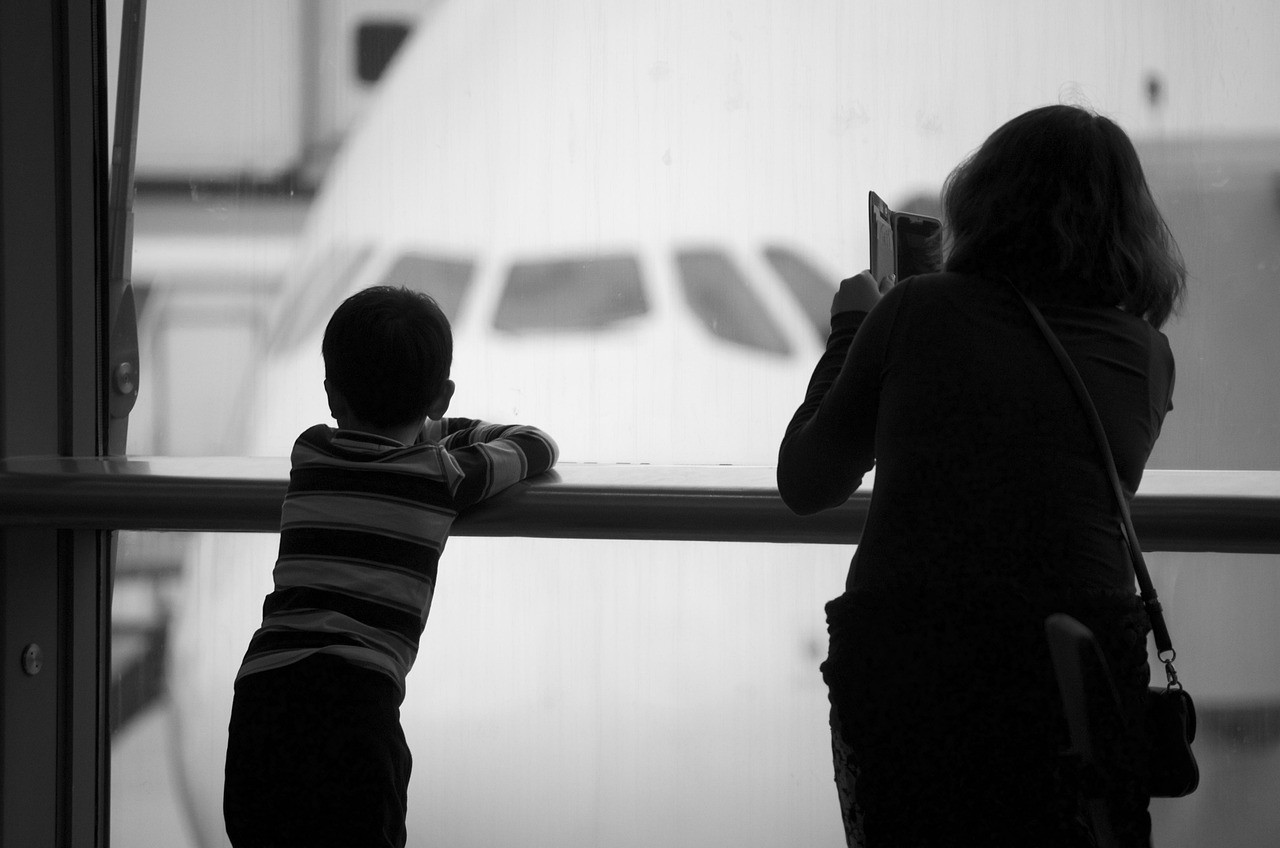
Representative image: ciggy1 / Pixabay
New aviation rules, the Bharatiya Vayuyan Niyam 2026, let the Centre direct airlines on fares in extraordinary situations and replace the Aircraft Rules 1937 from 1 January 2027.
What Happened
The Ministry of Civil Aviation has notified a new set of aviation rules, the Bharatiya Vayuyan Niyam, 2026, which will replace the Aircraft Rules, 1937 from 1 January 2027. The notification, dated 26 October, was published in the Gazette of India on Saturday, 31 October 2026, and reported widely on Monday, 2 November. The most talked-about clause gives the Central Government power to issue written directions to airlines on ticket prices in an "extraordinary situation" when it considers this necessary in the public interest. Such directions must be proportionate and can stay in force only for a set period. The rules also require airlines to show the full fare with a breakdown of base fare, taxes, fees, cancellation charges and refund policy.
Key Facts
- Name: Bharatiya Vayuyan Niyam, 2026.
- Replaces: the Aircraft Rules, 1937.
- Notification dated 26 October 2026; published in the Gazette on 31 October 2026.
- Takes effect: 1 January 2027.
- Fares: airlines continue to set fares based on their costs, but the Centre can issue written directions in an extraordinary situation, in the public interest; directions must be proportionate and time-limited.
- Transparency: airlines must show the total fare and its parts, including base fare, taxes, fees, cancellation charges and refund policy.
- Oversight: the Directorate General of Civil Aviation (DGCA) will monitor tariffs.
- Also covered: licensing of pilots, aircraft maintenance engineers and air traffic controllers; aircraft registration and airworthiness; airline operations; and aerodrome licensing.
Why It Matters
For almost nine decades, Indian civil aviation has been run under rules written in 1937, amended many times over the years. The new rules are meant to bring the whole framework, from who may fly a plane to how an airport is licensed, into one updated text. For passengers, though, the fare clause is the headline.
The timing explains why. Air travellers have been complaining about steep ticket prices, which airlines link to costly aviation turbine fuel as crude oil prices have risen during the war involving Iran. Civil Aviation Minister Ram Mohan Naidu has said high fuel costs make it hard to keep fares in check. On 2 November, the Supreme Court refused an urgent hearing of a plea against sharp fare increases. The new rules now put in writing that the government can step in when it judges a situation extraordinary.
That power has limits on paper. Any direction must be in writing, in the public interest, proportionate to the problem and in place only for a specified time. Airlines keep the basic right to price their seats according to costs. But the rules do not define what counts as an "extraordinary situation" or spell out the conditions for using the power, as some reports have pointed out. That leaves the decision largely to the government's judgment, which may draw questions from airlines and consumer groups alike.
The disclosure requirement may matter more day to day. Passengers often see one price at the start of a booking and a higher one by the payment page once fees are added. Requiring a full breakdown of base fare, taxes, fees, cancellation charges and refund terms should make it easier to compare airlines and understand what a refund will be worth.
Peepals calculation: The Aircraft Rules, 1937 will have been in force for about 90 years when they are replaced on 1 January 2027 (2027 − 1937 = 90). Between publication in the Gazette on 31 October 2026 and the start date of 1 January 2027 there are 62 days (0 remaining in October + 30 in November + 31 in December + 1), the time airlines and the DGCA have to prepare. Our calculation from the reported figures.
| Item | Aircraft Rules, 1937 | Bharatiya Vayuyan Niyam, 2026 |
|---|---|---|
| In force | until 31 December 2026 | from 1 January 2027 |
| Government power on fares | no explicit clause in reports | written, proportionate, time-limited directions in an extraordinary situation |
| Fare disclosure | — | total fare plus breakdown of base fare, taxes, fees, cancellation and refund terms |
Impact
Short-term: Nothing changes for ticket prices today, because the rules start in January 2027. Airlines will need to update booking systems to show the full fare breakdown.
Long-term: The government gains a clear legal basis to cap or guide fares during a crisis, such as a disaster, a sudden route closure or a price shock. How often it uses the power, and how it defines an extraordinary situation, will decide whether airlines see it as a safety valve or as price control.
Who is affected: Air passengers, domestic airlines, the DGCA, pilots, maintenance engineers and air traffic controllers whose licensing moves to the new rules, and airport operators.
What to watch next: The rules come into force on 1 January 2027.
Key Takeaway
The Bharatiya Vayuyan Niyam, 2026 modernises India's 1937 aviation rules and, for the first time in writing, lets the Centre direct airlines on fares in extraordinary situations.
Questions and Answers
What is the Bharatiya Vayuyan Niyam, 2026?
It is India's new set of civil aviation rules, notified by the Ministry of Civil Aviation and published in the Gazette on 31 October 2026. It replaces the Aircraft Rules, 1937 from 1 January 2027.
Can the government control airfares under the new rules?
The Centre can issue written directions on fares in an "extraordinary situation" if it decides this is in the public interest. The directions must be proportionate and last only for a set period. Otherwise airlines set fares based on their costs.
What fare details must airlines show under the Bharatiya Vayuyan Niyam?
Airlines must show the total fare and a breakdown of base fare, taxes, fees, cancellation charges and refund policy, with the DGCA monitoring tariffs.
When do the new aviation rules start?
They take effect on 1 January 2027.
Disclaimer: Prepared by the Peepals newsroom from publicly available sources with AI assistance. Information is accurate to the best of our knowledge at the time of publication and may change. Images may be representative. Not professional advice. Report an error via our contact page.
By Meera Iyer, Governance & Policy EditorCovers Governance & Policy and more for Peepals Bharat. All stories by Meera Iyer
HDFC Bank: Sanjay D'Souza retires as Anup Bagchi's top team changes
Gramaanubhava: Karnataka sends city students to spend a day on farms
Get the day's stories in your inbox
Peepals Weekly: the week decoded, free. One email a week, unsubscribe in one click.
Meera Iyer is a pen name of the Peepals Global Editorial Team, which researches, fact-checks and publishes every story. The portrait is an illustration.