
Gyanodaya scheme: Odisha UG admissions rise by 14,758 in first year
 By Aditi KulkarniEducation Writer, Peepals Bharat

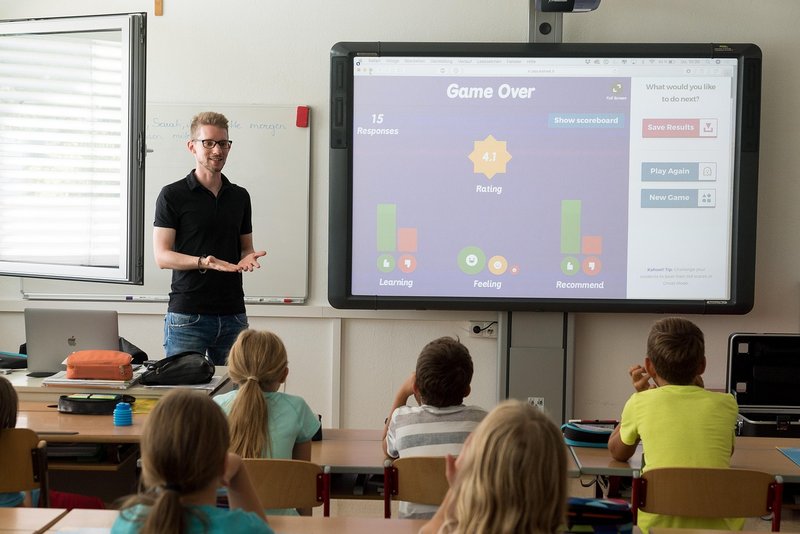
Representative image: eldewsio / Pixabay
Odisha's regular UG admissions rose by 14,758 to 1,78,937 in the first year of the Gyanodaya KG-to-PG free education scheme, the minister said in November 2026.
What Happened
Undergraduate admissions in Odisha's regular degree courses rose by 14,758 this academic year, the first in which the state's Gyanodaya free education scheme is in force, Higher Education Minister Suryabanshi Suraj said at a review of the Higher Education Department in Bhubaneswar, reported on 5 to 7 November 2026. Regular undergraduate admissions went up from 1,64,179 last year to 1,78,937 this year, according to the minister. The scheme makes education free from kindergarten to postgraduate level for students in government institutions in the state.
Key Facts
- Regular undergraduate admissions: 1,78,937 in 2026-27, against 1,64,179 a year earlier, a rise of 14,758, according to the minister.
- Gyanodaya, the state's "KG to PG" free education scheme, is being implemented from the 2026-27 academic year.
- The state Cabinet approved a first-year outlay of Rs 895.57 crore for an estimated 32 lakh students in government and aided institutions, according to reports of the approval.
- Aspirational districts led the review's figures: Kalahandi at 99.09%, Koraput 98.82%, Balangir 95.57%, Malkangiri 95.37% and Nuapada 94.64%.
- The same review discussed filling teaching vacancies; one report puts the number of teaching posts to be filled at 1,819.
- The State Selection Board has held recruitment exams and declared results for more than 2,800 vacancies across cadres over the past two years, the review was told.
Why It Matters
College fees are one of the reasons students from poor and rural families stop studying after Class 12. Even modest fees, added to the cost of travel, books and living away from home, can tip a family's decision towards work or marriage. Odisha's Gyanodaya scheme tries to remove the fee part of that burden entirely, from the first year of school to the last year of a postgraduate degree, as long as the student is in a government institution.
What was there before: the KG-to-PG fee waiver was not in force until this academic year. What changes now: under Gyanodaya, fees are waived in government institutions from kindergarten to postgraduate level from the 2026-27 academic year. What the first numbers show: the minister's figures point to about 14,758 more students in regular undergraduate courses than last year.
The district figures are the most striking part of the review. Kalahandi, Koraput, Balangir, Malkangiri and Nuapada are among the state's aspirational districts, a label used for districts that lag on development indicators. Their high figures suggest that the free education offer may be reaching the areas where cost matters most. The reports did not explain exactly what these percentages measure, so they should be read as the minister's review figures rather than as a complete picture.
The reports also do not say how much of the rise is due to Gyanodaya and how much to other factors, such as the number of students passing Class 12 this year. More enrolment also puts pressure on colleges to provide enough teachers, which is why the same review took up teaching vacancies.
Peepals calculation: The rise from 1,64,179 to 1,78,937 regular undergraduate admissions is an increase of 14,758, or about 9% in a year (14,758 ÷ 1,64,179 ≈ 0.090). If the first-year outlay of Rs 895.57 crore were spread evenly across the estimated 32 lakh students, it would come to about Rs 2,800 per student (895.57 crore ÷ 32 lakh ≈ Rs 2,799). Our calculation from the reported figures.
| Measure | Figure |
|---|---|
| UG admissions, last year | 1,64,179 |
| UG admissions, 2026-27 | 1,78,937 |
| Increase | 14,758 (about 9%) |
| First-year outlay of Gyanodaya | Rs 895.57 crore |
| Estimated students covered | 32 lakh |
Impact
Short-term: Colleges, particularly in districts with the highest figures, are handling larger first-year batches. The department's push to fill teaching posts becomes more urgent.
Long-term: If enrolment keeps rising, Odisha could see more graduates from districts that have historically sent fewer students to college. Sustaining that will depend on teachers, classrooms and the quality of courses, not only on free admission.
Who is affected: Students and families in Odisha, especially in aspirational districts; government colleges and universities; teachers and job seekers for teaching posts; and the state's finances.
Key Takeaway
Odisha's regular undergraduate admissions rose by 14,758 to 1,78,937 in the first year of its Gyanodaya KG-to-PG free education scheme, with aspirational districts leading.
Questions and Answers
What is the Gyanodaya scheme in Odisha?
It is Odisha's free education scheme, implemented from the 2026-27 academic year, under which students in government institutions do not pay fees from kindergarten to postgraduate level.
How much did college admissions rise in Odisha after Gyanodaya?
According to Higher Education Minister Suryabanshi Suraj, regular undergraduate admissions rose by 14,758, from 1,64,179 last year to 1,78,937 this year.
Which districts did best under Gyanodaya?
The minister's review placed aspirational districts at the top: Kalahandi (99.09%), Koraput (98.82%), Balangir (95.57%), Malkangiri (95.37%) and Nuapada (94.64%).
How much does the Gyanodaya scheme cost?
The state Cabinet approved a first-year outlay of Rs 895.57 crore for an estimated 32 lakh students, according to reports of the approval.
Disclaimer: Prepared by the Peepals newsroom from publicly available sources with AI assistance. Information is accurate to the best of our knowledge at the time of publication and may change. Images may be representative. Not professional advice. Report an error via our contact page.
By Aditi Kulkarni, Education WriterCovers Education and more for Peepals Bharat. All stories by Aditi Kulkarni
Get the day's stories in your inbox
Peepals Weekly: the week decoded, free. One email a week, unsubscribe in one click.
Aditi Kulkarni is a pen name of the Peepals Global Editorial Team, which researches, fact-checks and publishes every story. The portrait is an illustration.