
Odisha cabinet clears Rs 4,708 crore Upper Indravati pumped storage, paddy policy
 By Meera IyerGovernance & Policy Editor, Peepals Bharat
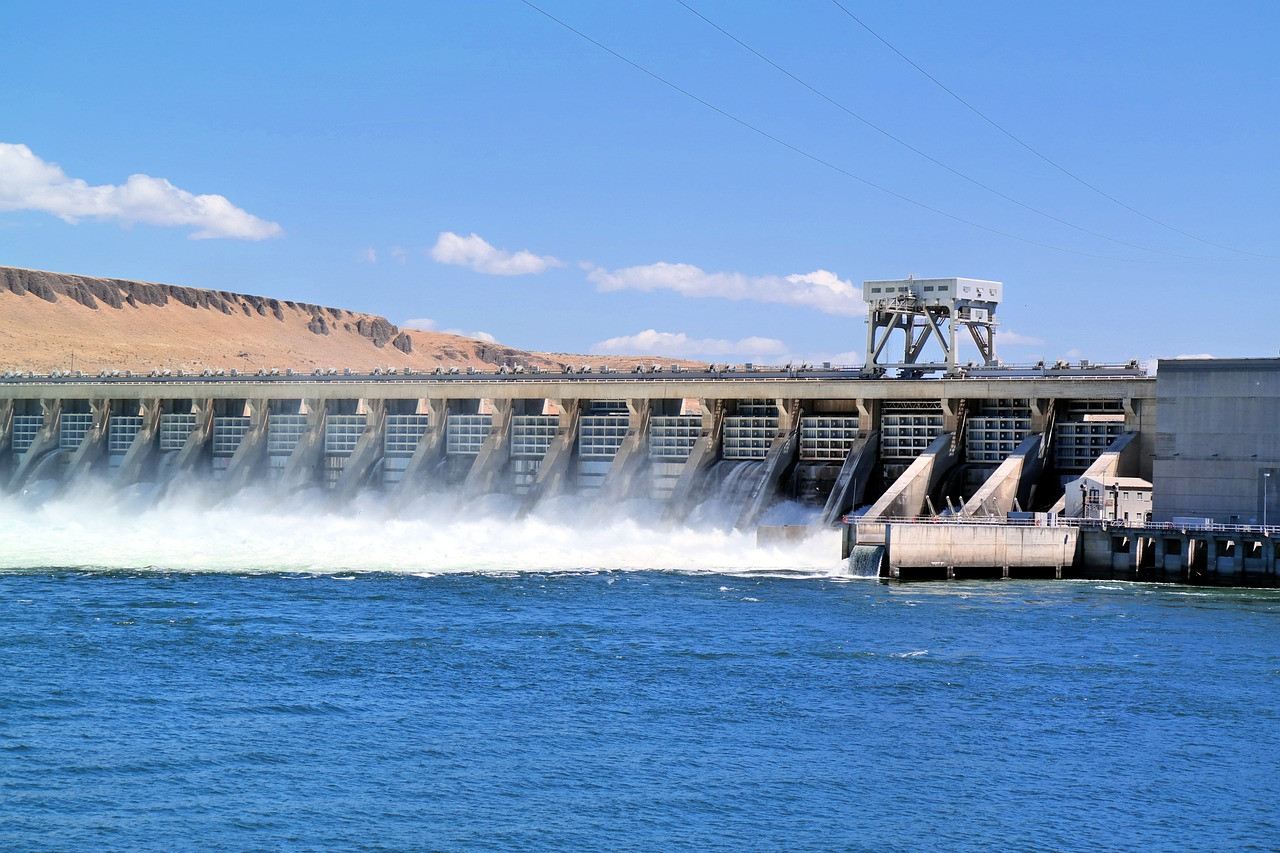
Representative image: russmac / Pixabay
Odisha's cabinet on 9 November 2026 approved a 600 MW, Rs 4,708.64 crore pumped storage project in Kalahandi and a paddy policy paying farmers Rs 3,100 a quintal.
What Happened
The Odisha cabinet on Monday, 9 November 2026, approved the 600 MW Upper Indravati Pumped Storage Project at Ranibahal in Kalahandi district at a total cost of Rs 4,708.64 crore, along with the state's paddy procurement policy for the 2026-27 kharif season, which promises farmers Rs 3,100 per quintal. The decisions were among 13 proposals from 10 departments cleared at the cabinet's 49th meeting in Bhubaneswar, chaired by Chief Minister Mohan Charan Majhi. The state-owned Odisha Hydro Power Corporation (OHPC) will build the pumped storage plant, with Megha Engineering and Infrastructures Ltd (MEIL) as the engineering, procurement and construction (EPC) contractor, and commissioning is planned by 2030-31.
Key Facts
- Upper Indravati Pumped Storage Project: 600 MW at Ranibahal, Kalahandi district; total cost Rs 4,708.64 crore.
- Builder: OHPC as implementing agency; MEIL selected as EPC contractor, with the construction contract reported at about Rs 3,372 crore excluding GST.
- Timeline: commissioning targeted by financial year 2030-31.
- Paddy policy 2026-27: target of 78 lakh tonnes of paddy, about 53 lakh tonnes of rice; farmers to be paid Rs 3,100 a quintal.
- Procurement window: 1 November 2026 to 31 March 2027, with payment to farmers within 24 to 48 hours, according to reports.
- Irrigation: a tender for seven mega lift irrigation schemes in Nuapada district, estimated at Rs 289.68 crore.
- Meeting: 13 proposals of 10 departments approved at the 49th cabinet meeting.
Why It Matters
A pumped storage plant works like a giant rechargeable battery made of water. When electricity is cheap and plentiful, often in the middle of the day when solar plants produce the most, water is pumped from a lower reservoir to an upper one. When demand peaks in the evening, the water is released to flow back down through turbines, generating power. As India adds large amounts of solar and wind power, which do not produce steadily through the day, storage of this kind becomes essential to keep the grid stable.
For Odisha, the Upper Indravati project adds 600 MW of capacity that can be switched on when demand peaks. It also brings construction work and investment to Kalahandi district in the years up to its planned commissioning in 2030-31.
The paddy policy touches far more households. For farmers who sell to the state, the procurement price and the speed of payment decide what they earn from the season. A price of Rs 3,100 a quintal and payment within 24 to 48 hours give them a known rate and quick cash. The procurement window began on 1 November and runs until the end of March.
The lift irrigation tender for Nuapada district adds to the cabinet's focus on water. Lift irrigation pumps water from rivers to fields on higher ground that canals cannot reach.
Peepals calculation: the pumped storage project costs about Rs 7.85 crore per megawatt (4,708.64 / 600 ≈ 7.85). Buying the full target of 78 lakh tonnes of paddy, which is 7.8 crore quintals, at Rs 3,100 a quintal would mean payments of about Rs 24,180 crore to farmers (7.8 crore × 3,100). The rice target of 53 lakh tonnes is about 68% of the paddy target by weight (53 / 78 ≈ 0.68). Our calculation from the reported figures.
| Decision | Figure |
|---|---|
| Upper Indravati pumped storage | 600 MW, Rs 4,708.64 crore |
| Paddy procurement target 2026-27 | 78 lakh tonnes (about 53 lakh tonnes of rice) |
| Price to farmers | Rs 3,100 per quintal |
| Nuapada lift irrigation tender | 7 schemes, Rs 289.68 crore |
Impact
Short-term: Paddy farmers selling to the state between November 2026 and March 2027 are promised Rs 3,100 a quintal and quick payment; OHPC and MEIL can move ahead with the pumped storage project.
Long-term: The 600 MW plant, due by 2030-31, will help Odisha balance a grid with more solar and wind power, while the Nuapada lift schemes are meant to bring irrigation to more farmland.
Who is affected: Paddy farmers across Odisha, residents of Kalahandi and Nuapada districts, OHPC and electricity consumers in the state.
What to watch next: The start of construction on the Upper Indravati project and the pace of paddy purchases and payments through the season ending on 31 March 2027.
Key Takeaway
Odisha's cabinet approved a Rs 4,708.64 crore, 600 MW pumped storage project in Kalahandi and a 2026-27 paddy policy that pays farmers Rs 3,100 a quintal for a 78 lakh tonne target.
Questions and Answers
What is the Upper Indravati Pumped Storage Project?
It is a 600 MW pumped storage hydropower plant at Ranibahal in Kalahandi district, approved by the Odisha cabinet on 9 November 2026 at a cost of Rs 4,708.64 crore. OHPC will build it, with MEIL as EPC contractor, and it is due to be commissioned by 2030-31.
What price will Odisha pay for paddy in 2026-27?
Rs 3,100 per quintal under the kharif 2026-27 procurement policy, with payment within 24 to 48 hours, according to reports.
How much paddy will Odisha procure this season?
The target is 78 lakh tonnes of paddy, equal to about 53 lakh tonnes of rice, between 1 November 2026 and 31 March 2027.
How does a pumped storage plant work?
It pumps water uphill to a reservoir when power is cheap and lets it flow back down through turbines to generate electricity when demand is high, acting like a large battery.
Disclaimer: Prepared by the Peepals newsroom from publicly available sources with AI assistance. Information is accurate to the best of our knowledge at the time of publication and may change. Images may be representative. Not professional advice. Report an error via our contact page.
By Meera Iyer, Governance & Policy EditorCovers Governance & Policy and more for Peepals Bharat. All stories by Meera Iyer
Metro rail: L&T wins Noida Aqua Line extension to Botanical Garden, Boraki
Bunker Roy, Barefoot College founder, dies at 81 in Tilonia
Get the day's stories in your inbox
Peepals Weekly: the week decoded, free. One email a week, unsubscribe in one click.
Meera Iyer is a pen name of the Peepals Global Editorial Team, which researches, fact-checks and publishes every story. The portrait is an illustration.