
JNU revokes five students' rustication, drops FIRs; 17-day hunger strike ends
 By Aditi KulkarniEducation Writer, Peepals Bharat
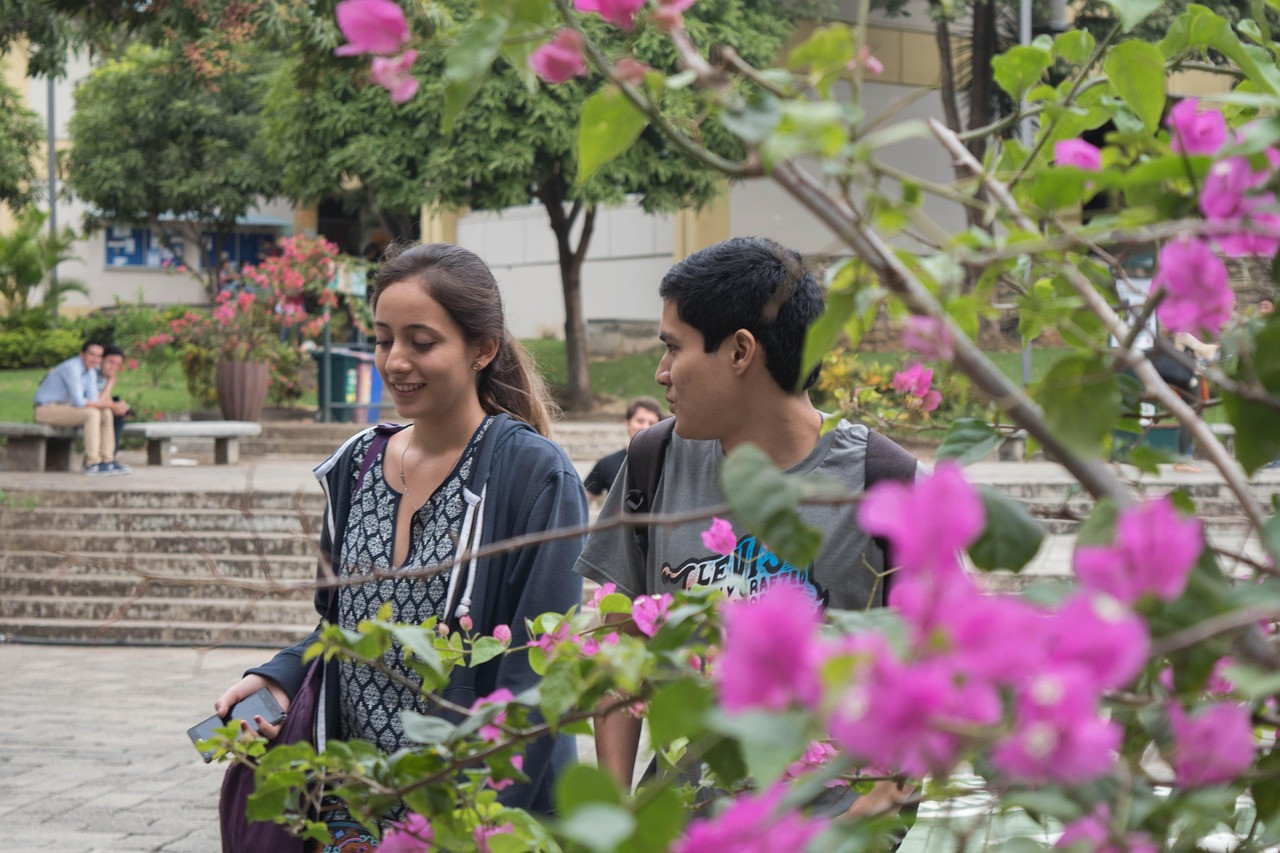
Representative image: vicwag / Pixabay
JNU agreed on October 19, 2026 to revoke five students' rustication, withdraw FIRs and review its discipline manual, ending a 17-day hunger strike.
What Happened
Jawaharlal Nehru University (JNU) in New Delhi has agreed to revoke the rustication of five students and to withdraw police complaints (FIRs) and proctorial enquiries against students who protested, and the JNU Students' Union (JNUSU) has ended a hunger strike that lasted 17 days. The agreement was recorded in the minutes of a meeting held on Monday, October 19, 2026, which were signed by Vivek Kumar, Dean of the School of Social Sciences, and student representatives. In the same week, student agitations at Ambedkar University Delhi and Jamia Millia Islamia also ended, bringing a pause to protests that had run on three Delhi campuses through October.
Key Facts
- JNU revoked the rustication of JNUSU president Aditi Mishra, vice-president K Gopika Babu, Sunil Yadav, Danish Ali and former JNUSU president Nitish Kumar, with immediate effect, according to a university notice.
- The notice said the five students should pay their respective fines.
- The administration agreed to withdraw FIRs and proctorial enquiries against protesting students.
- It also agreed to review the manual of the Chief Proctor's Office (CPO), which sets campus discipline rules, and to set up committees on other student demands.
- The committee is to meet again after 14 working days to take the remaining demands forward, the minutes said.
- The union has said it will keep up its campaign until every assurance is carried out.
- At Ambedkar University Delhi, a 17-day agitation also ended; at Jamia Millia Islamia, a hunger strike over restoring the students' union has stopped.
Why It Matters
The JNU dispute began when the university rusticated the five students, four of them serving or former union office-bearers, over alleged damage to facial recognition gates at the central library. Rustication removes a student from the university for a set period, which for doctoral scholars can mean losing time on research, fellowships and hostel rooms. The union argued that the punishment was out of proportion and that the CPO manual gave the administration too much power over protest on campus.
The settlement matters beyond JNU because it is the third campus dispute in Delhi to end in roughly the same week. At Ambedkar University Delhi, students had asked for the main gate to be reopened, freedom of movement on campus, better basic facilities, the reinstatement of 11 suspended students, more faculty recruitment and the return of PhD fee waivers. At Jamia Millia Islamia, students had pressed for elections to a students' union that has not functioned since 2006; the university had formed a seven-member committee to talk to them, and reports say the question of elections is still open.
For students, the main lesson is that the outcome at JNU rests on written minutes and a notice, not only on spoken promises. The real test will come when the committee meets again and when the CPO manual is reviewed: those steps will decide how protest, discipline and penalties are handled on campus in future.
| Campus | Main demand | Outcome reported |
|---|---|---|
| Jawaharlal Nehru University | Revoke rustication of five students, withdraw FIRs | Rustication revoked, FIRs to be withdrawn, CPO manual to be reviewed |
| Ambedkar University Delhi | Reinstate 11 suspended students, reopen main gate, amenities | 17-day agitation ended |
| Jamia Millia Islamia | Restore students' union elections | Hunger strike ended; elections question still open |
Impact
Short-term: The five JNU students can return to their studies and union work once fines are paid, and students who faced FIRs and proctorial enquiries will see those withdrawn. Hostel life and classes on the three campuses can settle after weeks of protest.
Long-term: A revised CPO manual at JNU could change what counts as a disciplinary offence and how penalties are decided. The follow-up meetings will show whether the agreements hold, and whether Jamia moves towards union elections.
Who is affected: Students and teachers at JNU, Ambedkar University Delhi and Jamia Millia Islamia; elected student representatives; and university administrations that must now act on the commitments made.
Key Takeaway
JNU has revoked the rustication of five students and agreed to withdraw FIRs and review its discipline manual, ending a 17-day hunger strike, as protests on two other Delhi campuses also wound down.
Questions and Answers
Why did the JNU students' union end its hunger strike?
The union ended its 17-day hunger strike after the university agreed, in minutes of an October 19, 2026 meeting, to revoke the rustication of five students, withdraw FIRs and proctorial enquiries against protesters, and review the Chief Proctor's Office manual.
Which JNU students had their rustication revoked?
JNUSU president Aditi Mishra, vice-president K Gopika Babu, Sunil Yadav, Danish Ali and former JNUSU president Nitish Kumar. The university notice said they should pay their fines.
What is the CPO manual at JNU?
It is the rulebook of the Chief Proctor's Office, which deals with student discipline on campus, including penalties for protests. The university has agreed to review the clauses that students objected to.
Have the protests at Jamia and Ambedkar University Delhi also ended?
Yes. A 17-day agitation at Ambedkar University Delhi and a hunger strike at Jamia Millia Islamia have both ended, though at Jamia the demand for students' union elections remains unresolved, according to reports.
Disclaimer: Prepared by the Peepals newsroom from publicly available sources with AI assistance. Information is accurate to the best of our knowledge at the time of publication and may change. Images may be representative. Not professional advice. Report an error via our contact page.
By Aditi Kulkarni, Education WriterCovers Education and more for Peepals Bharat. All stories by Aditi Kulkarni
More Sabarimala special trains promised; Dhanbad-Alappuzha Express extended
Harajuku Tokyo Café raises $3 million to open in Bengaluru, Chandigarh
Aditi Kulkarni is a pen name of the Peepals Global Editorial Team, which researches, fact-checks and publishes every story. The portrait is an illustration.