
Water at 90 Rewari government schools fails tests; Bawal worst hit
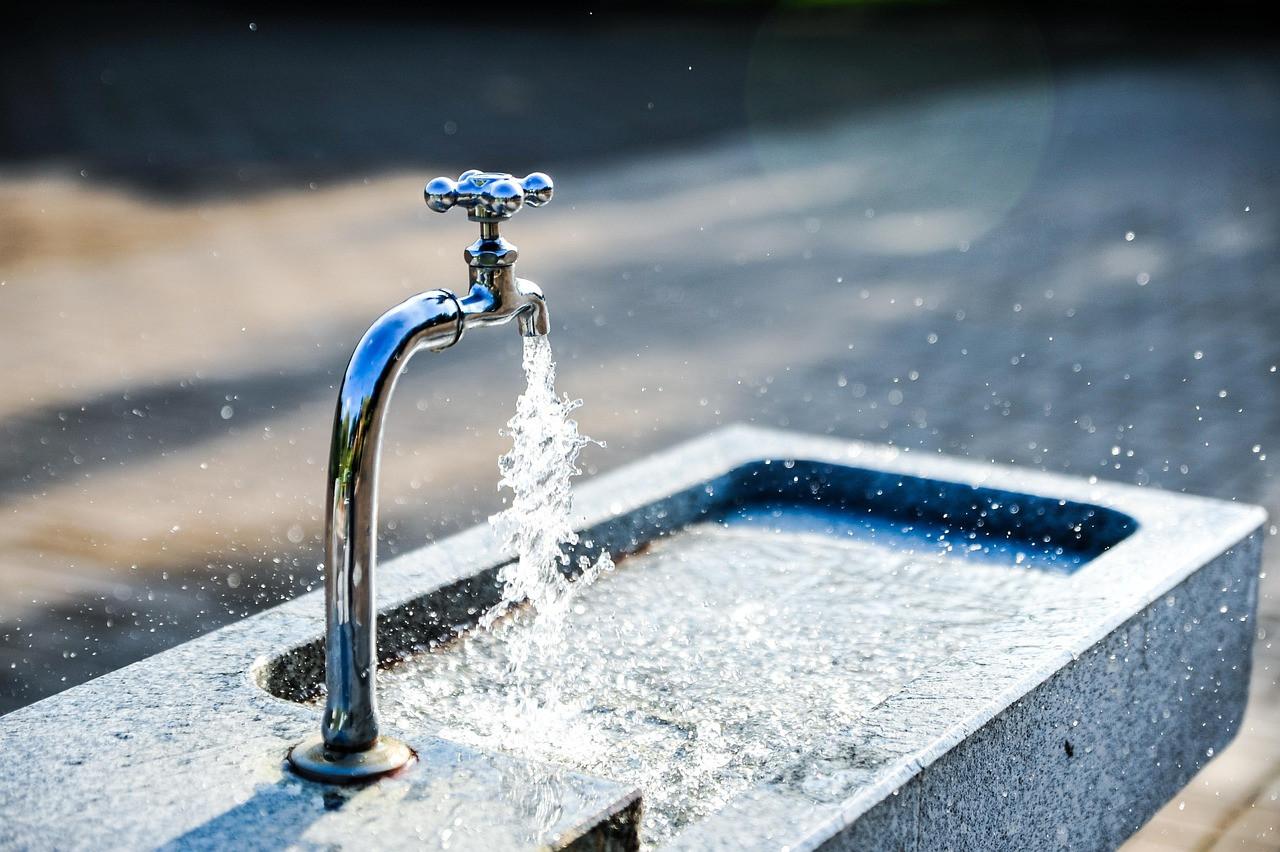
Representative image: JonasKIM / Pixabay
Drinking water at 90 of about 640 government schools in Haryana's Rewari district failed lab tests; 61 are in Bawal block, and fresh sampling is ordered.
What Happened
Drinking water samples from 90 government schools in Haryana's Rewari district have failed laboratory tests, according to a report of the district's elementary education office that came to light on October 21-22, 2026. The samples were taken in August and September from school hand pumps, borewells and taps and tested at a Public Health Engineering Department laboratory. Some showed total dissolved solids above the permissible limit and some contained bacteria. Bawal block accounts for 61 of the 90 schools, and district officials have ordered fresh sampling.
Key Facts
- Scale: 90 of the roughly 640 government schools in Rewari district failed the drinking water tests.
- Worst hit: 61 of the failed schools are in Bawal block, 10 in Nahar block and four in Jatusana block.
- Clean result: water from all 107 government schools in Khol block was found fit to drink.
- Problems found: total dissolved solids (TDS) above the permissible limit in several samples, and bacteria in some; reports also say some school RO purifiers had been out of order for a long time.
- Sampling period: August and September 2026, from hand pumps, borewells and taps, tested at a Public Health Engineering Department laboratory.
- Orders: the Deputy District Education Officer has written to Block Education Officers to ensure clean, safe drinking water in schools; tank cleaning and disinfection have been directed.
- Retest: Rewari's Additional Deputy Commissioner said the Public Health Engineering Department will carry out fresh sampling, since the first samples were collected by school staff, not by the department.
Why It Matters
Safe drinking water is one of the most basic conditions of a school, alongside toilets and a usable classroom. Children spend six or more hours a day at school, and many in government schools depend entirely on the water available there. When a district finds that one in seven of its government schools cannot pass a basic water test, it is a measure of how school infrastructure is working on the ground, not on paper.
Two kinds of problem were reported. Total dissolved solids, or TDS, is a measure of the salts and minerals dissolved in water; high levels make water taste salty or bitter and show that the source is not suitable for regular drinking without treatment. Bacteria are a more direct health concern because they can cause stomach infections, which in turn lead to missed school days. Reports say some schools had RO purifiers, machines that filter dissolved solids out of water, that had not worked for a long time, which suggests that equipment was installed but not maintained.
The pattern across the district matters too. Bawal block accounts for two-thirds of the failed schools, while every school in Khol block passed. That points to local groundwater conditions and the type of supply, since some schools use hand pumps and borewells and others receive piped water from the Public Health Engineering Department. A fix that works in one block may not work in another.
There is also a question about the test itself. District officials said the first samples were collected by school authorities rather than by the department that runs the laboratory, which is why a fresh round of sampling has been ordered. The retest will show whether the problem is as wide as the first report suggests, and parents and teachers will be watching for its results.
Impact
Short-term: schools in the affected blocks are expected to clean and disinfect their water tanks, repair purifiers and arrange safe water while the Public Health Engineering Department takes fresh samples.
Long-term: if the retest confirms the results, the district will need lasting solutions for schools in Bawal, Nahar and Jatusana blocks, such as a different water source, piped supply or regular maintenance of purifiers.
Who is affected: pupils and teachers at the 90 schools, especially young children who drink school water through the day; parents in Bawal block; and the education and public health departments responsible for school facilities.
Key Takeaway
Water from 90 of Rewari's roughly 640 government schools, 61 of them in Bawal block, failed laboratory tests for dissolved solids or bacteria, and the district has ordered tank cleaning and a fresh round of testing.
Questions and Answers
How many Rewari government schools failed the drinking water test?
Water samples from 90 of the roughly 640 government schools in Rewari district, Haryana, failed laboratory tests carried out on samples taken in August and September 2026.
Which areas are worst affected?
Bawal block has 61 of the 90 schools, followed by Nahar block with 10 and Jatusana block with four. All 107 government schools in Khol block passed.
What was wrong with the water?
Some samples had total dissolved solids above the permissible limit, meaning too many salts and minerals for safe regular drinking, and some contained bacteria. Some school RO purifiers were reported to be out of order.
What happens next?
The district has ordered tank cleaning and disinfection, and the Public Health Engineering Department will take fresh samples, because the first round was collected by school staff rather than the department.
Disclaimer: Prepared by the Peepals newsroom from publicly available sources with AI assistance. Information is accurate to the best of our knowledge at the time of publication and may change. Images may be representative. Not professional advice. Report an error via our contact page.
Sourced and fact-checked by the Peepals Global Editorial Team
Reported, fact-checked and published by the Peepals Global Editorial Team.