
Madras HC upholds 6 AIADMK MLAs' resignations, sets 2-month deadline on disqualification
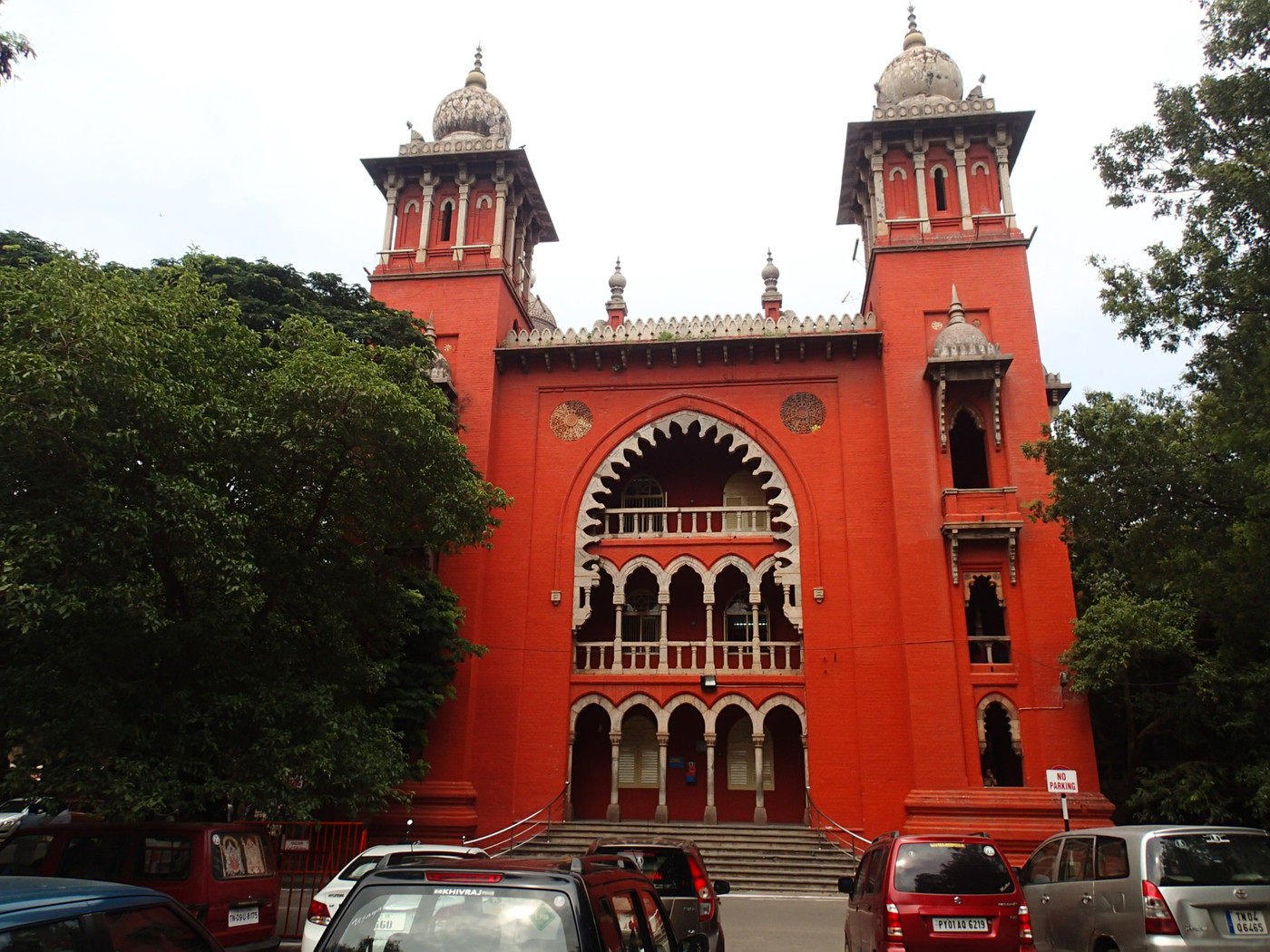
File photo: Raki_Man (CC BY 3.0), via Wikimedia Commons
The Madras High Court on October 13, 2026 upheld the Speaker's acceptance of six AIADMK MLAs' resignations but ordered disqualification pleas decided in two months.
What Happened
The Madras High Court on Tuesday, October 13, 2026 upheld Tamil Nadu Assembly Speaker JCD Prabhakar's decision to accept the resignations of six AIADMK MLAs who went on to join the ruling Tamilaga Vettri Kazhagam (TVK) of Chief Minister Vijay. A First Bench of Chief Justice S.A. Dharmadhikari and Justice G. Arul Murugan held that the pendency of disqualification proceedings did not stop the Speaker from accepting the resignations. At the same time, the court kept those proceedings alive: it directed the Speaker to decide the pending disqualification petitions against the six within two months. The ruling came four days after the Supreme Court declined to entertain a separate challenge over AIADMK MLAs who voted for the TVK government.
Key Facts
- The petitions were filed by AIADMK whip Agri S.S. Krishnamurthy and by M.L. Ravi, the leader of a small party.
- The petitioners argued that the Speaker accepted the resignations without a proper inquiry into whether they were voluntary, and that the MLAs joined TVK within minutes of resigning.
- The court held that the Speaker was not expected to hold a detailed inquiry and that the resignations would not bar disqualification proceedings.
- Ravi's petition was dismissed; Krishnamurthy's was partly allowed through the two-month direction to the Speaker.
- The court had reserved orders on September 1; the verdict, first listed for October 9, was delivered on October 13.
- The dispute began when 25 of the 47 AIADMK MLAs backed the Vijay government in a confidence vote despite the party's whip.
- On October 9, a Supreme Court bench led by Chief Justice Surya Kant declined to entertain a plea by an AIADMK member against the Speaker dropping disqualification proceedings against 21 AIADMK MLAs, saying such a challenge should come from a member of the House or the party; it left the questions of law open.
Why It Matters
The case goes to the heart of India's anti-defection law, the Tenth Schedule of the Constitution. A legislator who defies the party whip or voluntarily gives up party membership can be disqualified by the Speaker. Disqualification is a formal finding under the Tenth Schedule that the member broke the law; resignation simply ends membership of the House. Opposition parties often argue that resigning before a disqualification decision lets defectors escape the law's purpose.
The High Court's answer is a middle path. It accepted that a Speaker may take a resignation at face value without a detailed inquiry, which strengthens the Speaker's hand. But by ordering the disqualification petitions to be decided within two months, it ensured that resigning does not automatically wipe out the earlier complaint. That deadline matters, because delays by Speakers in deciding defection cases have been a long-running complaint in many states.
For Tamil Nadu politics, the ruling is a setback for the AIADMK, which has been hit by a series of defections since the TVK formed the government. Two of the MLAs who left later won by-elections as TVK candidates, adding to the ruling party's strength in the Assembly.
| | Date (2026) | Development | |
|---|---|
| | September 1 | High Court reserves orders | |
| | October 9 | Supreme Court declines plea over 21 AIADMK MLAs | |
| | October 13 | High Court upholds acceptance of six resignations | |
Impact
Short-term: The six resignations stand, and the Speaker must now decide the disqualification petitions against the same MLAs within two months.
Long-term: The ruling adds to the case law on whether resignation can be used to sidestep the anti-defection law, an issue the Supreme Court has said it will consider in an appropriate case.
Who is affected: The six former AIADMK MLAs, the AIADMK and TVK, the Speaker's office, voters in the affected constituencies, and legislators across India watching how defection law is applied.
Key Takeaway
On October 13, 2026 the Madras High Court let six AIADMK MLAs' resignations stand but told the Tamil Nadu Speaker to decide their disqualification within two months.
Questions and Answers
What did the Madras High Court decide on October 13, 2026?
It upheld the Tamil Nadu Speaker's acceptance of the resignations of six AIADMK MLAs who later joined TVK, and directed the Speaker to decide the pending disqualification petitions against them within two months.
Does resigning protect MLAs from disqualification?
Not in this case. The court said the resignations do not bar disqualification proceedings, which the Speaker must still complete.
What did the Supreme Court say on October 9?
It declined to entertain a plea by an AIADMK member against the Speaker dropping disqualification proceedings against 21 AIADMK MLAs, holding that the challenge should come from a member of the House or the party, and left the legal questions open.
Why did the AIADMK seek disqualification?
Because 25 of its 47 MLAs supported Chief Minister Vijay's government in a confidence vote despite the party whip.
Disclaimer: Prepared by the Peepals newsroom from publicly available sources with AI assistance. Information is accurate to the best of our knowledge at the time of publication and may change. Images may be representative. Not professional advice. Report an error via our contact page.
Sourced and fact-checked by the Peepals Global Editorial Team
Andhra fixes mayor quotas for 17 cities; Visakhapatnam, Guntur to get women mayors
IndiGo, Akasa, Air India cancel Saudi Arabia flights till Oct 17 after airport attacks
Reported, fact-checked and published by the Peepals Global Editorial Team.