

Rural job scheme now allows 375 types of work, up 41%; water security leads
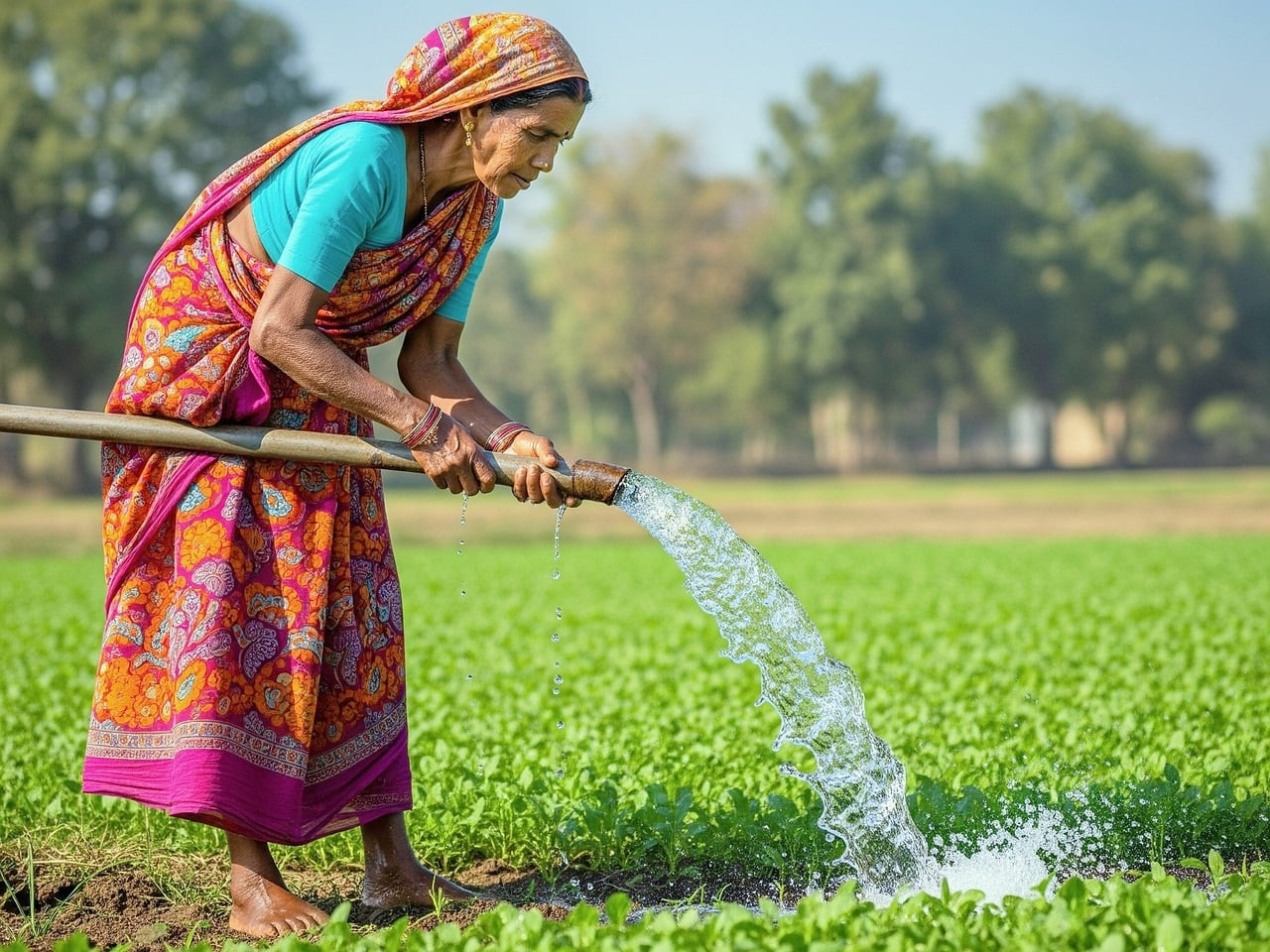
Representative image: MitraDesigns / Pixabay
The Rural Development Ministry notified 375 permissible works under VB-G RAM G on 5 October 2026, up from 266, with water security works the largest group.
What Happened
The Ministry of Rural Development has notified a schedule of 375 types of work that can be taken up under VB-G RAM G, the rural employment framework that is replacing the Mahatma Gandhi National Rural Employment Guarantee scheme. The notification, dated 5 October 2026, expands the list by about 41 per cent from the 266 works allowed under the earlier framework, according to the ministry. The works are grouped into four categories: water security, core rural infrastructure, livelihood-related infrastructure, and special works for extreme weather and disaster preparedness. Projects are to be chosen through village-level planning approved by the Gram Sabha.
Key Facts
- Notification date: 5 October 2026 (some reports dated it 6 October).
- Total permissible works: 375, up from 266, an expansion of about 41 per cent.
- Water security: 128 works, including canals, flood and diversion channels, check dams, gully plugs and underground dykes.
- Core rural infrastructure: 111 works, including solar street lighting, waste recycling plants, greywater treatment units, rural libraries, and veterinary and rural health centres.
- Livelihood-related infrastructure: 98 works, including cleaning, grading and packaging units, mini flour mills, market yards and dairy infrastructure.
- Extreme weather and disaster preparedness: 38 special works.
- Planning: works are to come from a bottom-up Viksit Gram Panchayat Plan approved by the Gram Sabha, according to reports.
Why It Matters
Rural job guarantee schemes do two things at once: they give paid work to rural households, and they build assets such as ponds, roads and storage that the village keeps using after the work ends. The list of permissible works decides what kinds of assets can be built with the scheme's money. A longer and more varied list gives panchayats more freedom to choose projects that fit local needs.
The biggest share goes to water security, with 128 works. Check dams, channels and dykes can help store rainwater, recharge groundwater and protect fields.
The new list also moves beyond earthworks. Solar street lights, waste recycling plants, greywater treatment, rural libraries and health centres point to a broader idea of village infrastructure. The livelihood category, with packaging units, flour mills, market yards and dairy facilities, is meant to support income-earning activities, not just one-time construction. The separate category for extreme weather and disaster preparedness gives villages a way to prepare for floods, storms and other extreme weather.
The impact will depend on implementation. A longer list only helps if panchayats have the technical support, funds and planning capacity to choose and complete good projects, and if workers are paid on time.
| Category | Number of works |
|---|---|
| Water security | 128 |
| Core rural infrastructure | 111 |
| Livelihood-related infrastructure | 98 |
| Extreme weather and disaster preparedness | 38 |
| Total | 375 |
Impact
Short-term: Gram panchayats can begin drawing up plans using the expanded list for the coming work season, with more options beyond traditional earthworks.
Long-term: If well implemented, the wider range of works could leave villages with better water storage, cleaner sanitation, more local processing facilities and stronger protection against floods and droughts.
Who is affected: Rural households seeking wage work, gram panchayats and Gram Sabhas, district rural development officials, and farmers who depend on village water and market infrastructure.
Key Takeaway
The Centre's new list of 375 permissible works under VB-G RAM G, notified on 5 October 2026, widens rural job projects to include water security, village infrastructure, livelihoods and disaster preparedness.
Questions and Answers
What did the Ministry of Rural Development notify?
A schedule of 375 types of work that can be taken up under the VB-G RAM G rural employment framework, notified on 5 October 2026.
How is this different from before?
The earlier framework allowed 266 works, so the new list is about 41 per cent larger and adds categories such as disaster preparedness.
Which category has the most works?
Water security, with 128 works such as check dams, canals and flood channels.
Who decides which works are taken up in a village?
Works are to come from a village-level plan approved by the Gram Sabha, according to reports on the notification.
Disclaimer: Prepared by the Peepals newsroom from publicly available sources with AI assistance. Information is accurate to the best of our knowledge at the time of publication and may change. Images may be representative. Not professional advice. Report an error via our contact page.
Sourced and fact-checked by the Peepals Global Editorial Team
Reported, fact-checked and published by the Peepals Global Editorial Team.