
Meghalaya clears School Complex Rules to link primary and secondary schools
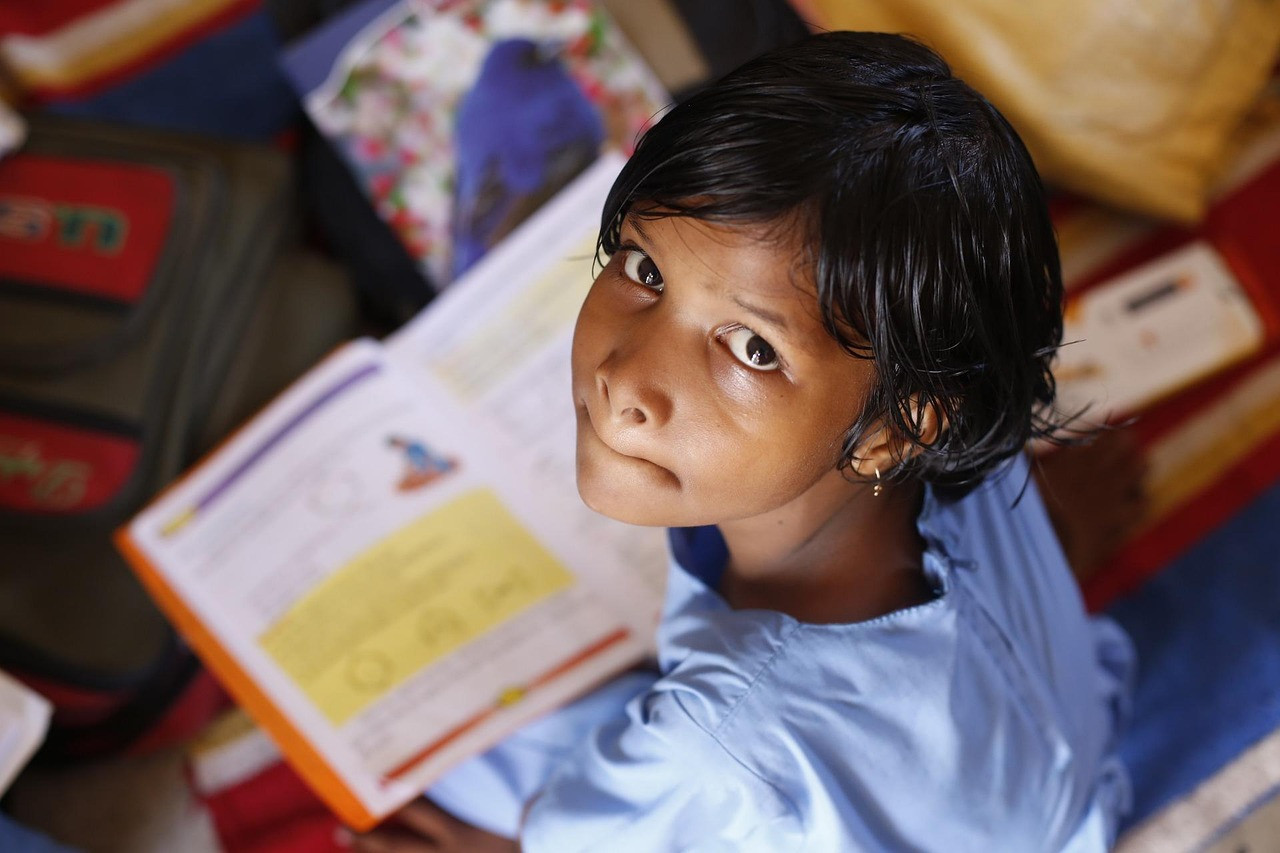
Representative image: akshayapatra / Pixabay
Meghalaya's cabinet on October 13, 2026 approved School Complex Rules linking 9,244 lower primary schools with secondary schools so pupils move up without new admissions.
What Happened
The Meghalaya cabinet, chaired by Chief Minister Conrad K. Sangma, on Monday, October 13, 2026, approved the Meghalaya School Education (School Complex) Rules, 2026. The rules will group lower primary and upper primary schools with nearby secondary and higher secondary schools through designated nodal schools, so that children can move from one stage of schooling to the next without going through fresh admission formalities or producing transfer certificates. The Chief Minister said joining would be voluntary and would not affect how participating schools are run.
Key Facts
- The cabinet approved the Meghalaya School Education (School Complex) Rules, 2026, on October 13, 2026.
- Primary schools will be linked to nearby secondary and higher secondary schools through nodal schools.
- The aim is to smooth the move from Class V to Class VI and from Class VIII to Class IX.
- Pupils moving within a complex would not need to repeat admission formalities or submit transfer certificates.
- Meghalaya has 9,244 lower primary, 2,396 upper primary, 1,755 secondary and 532 higher secondary schools.
- Participation is voluntary; the government will approach schools willing to join.
Why It Matters
Meghalaya's school map is shaped like a steep pyramid. For every higher secondary school in the state there are more than 17 lower primary schools. That means many children who finish Class V or Class VIII have to find a seat in a different, often more distant, school, and each move brings paperwork, uncertainty and a risk that the child simply stops studying. Dropping out at these transition points is a long-standing problem in the hill state, especially for children in rural areas.
The school complex idea tries to fix that by making a cluster of schools work as one chain. A child admitted to a primary school in the complex would have a clear path into the linked upper primary and secondary schools, without fresh admission rounds or certificates. For parents, especially in villages, that removes one of the practical hurdles that can end a child's schooling.
The model is not new. The National Education Policy 2020 recommends grouping schools into complexes so that small schools can share teachers, libraries, labs and sports facilities, and several states have begun trying it. Himachal Pradesh, for example, has rolled out school complexes and faced questions from teachers about how they work in practice. Meghalaya has chosen a voluntary route, which may make adoption slower but should reduce resistance from private, mission and community-run schools, which run a large share of the state's education system.
Much will depend on details that have not yet been made public, including how nodal schools are chosen and whether seats at the secondary level will be guaranteed for pupils from linked primary schools.
| Level | Number of schools in Meghalaya |
|---|---|
| Lower primary | 9,244 |
| Upper primary | 2,396 |
| Secondary | 1,755 |
| Higher secondary | 532 |
Impact
Short-term: The education department will begin identifying nodal schools and approaching institutions willing to join the complexes.
Long-term: If enough schools sign up, fewer children may drop out at Class V and Class VIII, and small schools could share teachers and facilities.
Who is affected: School students and parents across Meghalaya, school managements, teachers and the state's education department.
Key Takeaway
Meghalaya will link its many primary schools with far fewer secondary schools through voluntary school complexes, so children can move up without new admissions or transfer certificates.
Questions and Answers
What are the Meghalaya School Complex Rules 2026?
They are rules approved by the state cabinet on October 13, 2026, that group primary schools with nearby secondary and higher secondary schools through nodal schools, so students can move to higher classes within the group.
Will students need a transfer certificate to move up?
According to the state government, pupils moving between schools in the same complex will not need to repeat admission formalities or submit transfer certificates.
Do all schools have to join?
No. Chief Minister Conrad K. Sangma said participation is voluntary and will not interfere with how schools are run.
Why does Meghalaya need this?
The state has 9,244 lower primary schools but only 532 higher secondary schools, so many children must change schools as they progress, and some drop out at those points.
Disclaimer: Prepared by the Peepals newsroom from publicly available sources with AI assistance. Information is accurate to the best of our knowledge at the time of publication and may change. Images may be representative. Not professional advice. Report an error via our contact page.
Sourced and fact-checked by the Peepals Global Editorial Team
Maharashtra warns colleges against charging exam fees in 265 drought-hit talukas
Mizoram eyes 'Winter Capital' tag as tourist arrivals rise 51% in 2026
Reported, fact-checked and published by the Peepals Global Editorial Team.