
SC wants senior Delhi Police officer to explain assault on women journalists
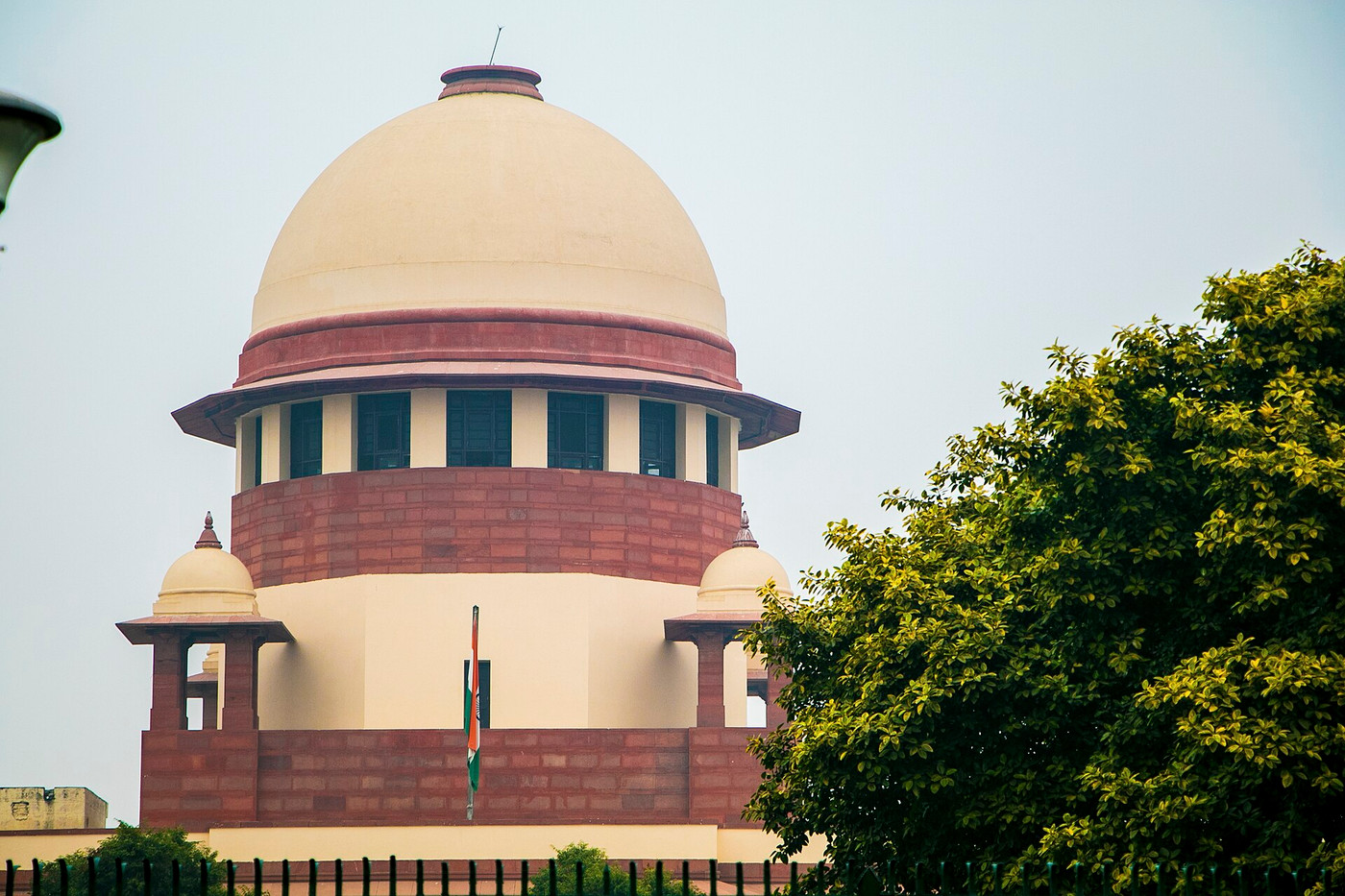
File photo: Subhashish Panigrahi (CC BY-SA 4.0), via Wikimedia Commons
On October 13, 2026, the Supreme Court asked a senior Delhi Police officer to explain alleged assaults on women journalists at the anti-CEC protests; next hearing October 15.
What Happened
The Supreme Court on Tuesday, October 13, 2026, asked a senior Delhi Police officer to appear before it and explain allegations that women journalists were assaulted while covering the protests in New Delhi against Chief Election Commissioner Gyanesh Kumar. The bench of Chief Justice of India Surya Kant, Justice Joymalya Bagchi and Justice V. Mohana acted on a petition by the Network of Women in Media, India (NWMI), which was raised in court by senior advocate Indira Jaising. The court also took note of a separate contempt petition from the Free Speech Collective, mentioned by senior advocate Gopal Sankaranarayanan, which says police action broke the court's earlier order that journalists covering the protests must not be obstructed or harassed. Because Justice Mohana was unwell, the protest-related matters were adjourned to Thursday, October 15, and the deadline for the authorities to file their compliance report was extended to that date.
Key Facts
- Date of order: Tuesday, October 13, 2026, by a bench of CJI Surya Kant, Justice Joymalya Bagchi and Justice V. Mohana.
- A senior Delhi Police officer must appear in person to explain the allegations involving women journalists.
- The NWMI petition seeks protection for journalists, especially women, against assault, intimidation, arbitrary detention and forcible removal while reporting.
- The Free Speech Collective has filed a contempt petition saying police violated the court's earlier direction protecting journalists at the protests.
- The matters were adjourned to October 15 because Justice Mohana was unwell, and the compliance-report deadline moved to the same day.
- Delhi Police has registered two FIRs, at Barakhamba Road and Tilak Marg police stations, over the opposition's march towards the Supreme Court, saying no permission had been given for it.
Why It Matters
The protests against the Chief Election Commissioner have turned into one of the biggest tests this year of how far the authorities may go in controlling public gatherings in the capital. Over the weekend, the Supreme Court held a special Sunday sitting, directed that peaceful protesters must not be illegally detained, and ordered normal metro, rail and internet services. Petitioners have alleged that thousands of people were detained, a figure the authorities have not confirmed. Tuesday's order adds a new thread: the treatment of the reporters who were there to record what happened.
Asking a senior officer to appear in person is a strong step. It means the court wants an account from someone with authority over the police operation, not only a written reply. If the allegations are found to have substance, the court could issue directions on how police deal with the press at protests, a gap the NWMI petition asks it to fill with enforceable rules.
The contempt plea raises the stakes further. Contempt proceedings test whether the court's own orders were obeyed on the ground. The outcome on October 15 will show whether the bench is satisfied with the compliance report from the Delhi authorities, or wants more.
| Date | Development |
|---|---|
| October 10-11 | Protests against the CEC; journalists allege assault and obstruction |
| October 11 | Special Sunday sitting bars illegal detention of peaceful protesters |
| October 13 | Court seeks senior police officer's presence; matters adjourned |
| October 15 | Next hearing and compliance-report deadline |
Impact
Short-term: The Delhi Police must send a senior officer to court and file its compliance report by October 15, and journalists' groups will press for an independent inquiry.
Long-term: The case could lead to clear, court-backed rules on how police handle reporters at demonstrations, which would apply well beyond this protest.
Who is affected: Journalists covering protests, especially women reporters; protesters and opposition parties; the Delhi Police and the Delhi government; and citizens whose movement was affected by the restrictions.
Key Takeaway
The Supreme Court wants a senior Delhi Police officer to answer in person for alleged assaults on women journalists during the anti-CEC protests, with the next hearing on October 15.
Questions and Answers
What did the Supreme Court order on October 13, 2026?
It asked a senior Delhi Police officer to appear in person and explain allegations that women journalists were assaulted while covering the protests against Chief Election Commissioner Gyanesh Kumar, and adjourned the matters to October 15.
Who went to court on behalf of the journalists?
The Network of Women in Media, India filed a petition seeking protection for journalists, argued by senior advocate Indira Jaising. The Free Speech Collective filed a separate contempt petition.
Why was the hearing adjourned?
Justice V. Mohana, one of the three judges on the bench, was unwell, so the matters were put off to Thursday, October 15.
What is a contempt petition in this case?
It asks the court to act against authorities who allegedly disobeyed its earlier order that journalists covering the protests must not be obstructed or harassed.
Disclaimer: Prepared by the Peepals newsroom from publicly available sources with AI assistance. Information is accurate to the best of our knowledge at the time of publication and may change. Images may be representative. Not professional advice. Report an error via our contact page.
Sourced and fact-checked by the Peepals Global Editorial Team
Rupee climbs to one-month high of 95.28 as banks chafe at new RBI forex curbs
Tamil Nadu special TET results: 80% of teachers clear Paper I, only 38% Paper II
Reported, fact-checked and published by the Peepals Global Editorial Team.