
Namma Shaale Namma Javabdari: private schools to adopt 1,000 Karnataka schools
 By Aditi KulkarniEducation Writer, Peepals Bharat
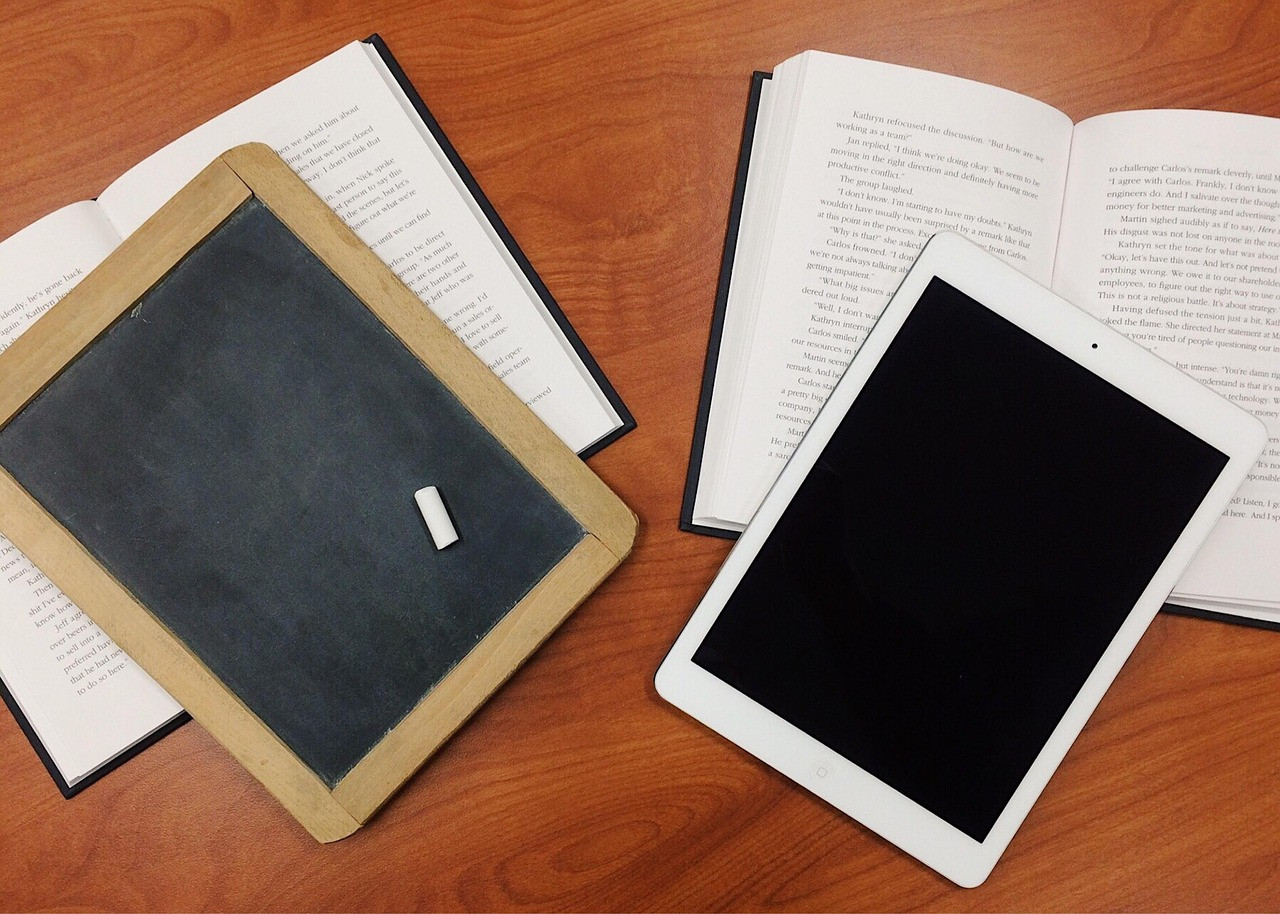
Representative image: WOKANDAPIX / Pixabay
Karnataka launched Namma Shaale Namma Javabdari on 4 November 2026, asking private schools to adopt 1,000 rural government schools; CSR deals of Rs 206 crore signed.
What Happened
Karnataka Chief Minister D.K. Shivakumar on Wednesday, 4 November 2026 launched "Namma Shaale Namma Javabdari" (Our School, Our Responsibility), a programme that asks private school managements to adopt and support government schools in rural areas. The state's first target is to link 1,000 government schools with private institutions. At the same event in Bengaluru, the Chief Minister signed corporate social responsibility (CSR) agreements worth Rs 206.10 crore with 15 organisations to develop 56 government schools.
Key Facts
- Programme: "Namma Shaale Namma Javabdari", launched on 4 November 2026 by Chief Minister D.K. Shivakumar.
- First target: 1,000 government schools linked with private schools; one report mentions a wider goal of 2,000.
- Choice: private school managements may choose which government schools they support, based on convenience and their financial capacity; the government will not assign schools.
- What is asked: teachers, computers, laboratory equipment and transport, in line with each private school's means. The Chief Minister said the request was for support rather than cash.
- Planning: the state's roughly 6,000 gram panchayats have been grouped into three categories for the programme, according to reports.
- CSR agreements: Rs 206.10 crore from 15 organisations for 56 government schools, signed the same day.
- Background: the Chief Minister had earlier said the government would bring a policy asking large companies to build quality schools under CSR.
Why It Matters
Government schools in rural Karnataka, as in much of India, often lack science labs, computers and enough subject teachers, while many private schools in nearby towns have these resources. The programme tries to connect the two directly, school to school, rather than only through money passed through the government.
The model is voluntary. Private managements decide whether to take part and which school to adopt, and they give what they can, from a visiting teacher to a computer lab or a school bus. That keeps the cost low for the state but also means the results will depend on how many private schools sign up and how long they stay involved. Reports did not give a timeline for reaching the 1,000-school target.
The CSR agreements signed on the same day are a separate, larger kind of support. Companies spend a share of their profits on social causes under India's CSR rules, and Karnataka is steering part of that money to rebuild specific government schools. Taken together, the two steps show the state leaning on private partners, schools and companies, to improve public education.
For students and parents in villages, the most visible change, if the programme works, would be better equipment and more teaching time in the local government school, rather than having to travel to a town or pay private school fees.
Peepals calculation: The Rs 206.10 crore in CSR agreements spread over 56 schools works out to an average of about Rs 3.68 crore per school (206.10 ÷ 56 = 3.68). Each of the 15 organisations is committing about Rs 13.7 crore on average (206.10 ÷ 15 = 13.74). If the first target of 1,000 adopted schools is met, the CSR-funded schools would be about one in 18 of that number (1,000 ÷ 56 ≈ 17.9). Our calculation from the reported figures.
| Item | Figure reported |
|---|---|
| Government schools to be linked first | 1,000 |
| CSR agreements signed | Rs 206.10 crore |
| Organisations in CSR agreements | 15 |
| Government schools covered by CSR deals | 56 |
| Gram panchayats grouped for planning | about 6,000, in three categories |
Impact
Short-term: Private school managements will be approached to choose government schools to adopt, and the 56 schools under the CSR agreements should begin to receive funds for development work.
Long-term: If enough private schools take part, rural government schools could gain teachers, labs, computers and transport. If participation is thin, the programme could remain limited to a small number of schools near towns.
Who is affected: Students and teachers in rural government schools in Karnataka; private school managements; companies with CSR budgets; and the state's school education department, which will have to track the partnerships.
Key Takeaway
Karnataka's "Namma Shaale Namma Javabdari" asks private schools to adopt rural government schools, starting with 1,000, while Rs 206.10 crore in CSR agreements will develop 56 more.
Questions and Answers
What is Namma Shaale Namma Javabdari?
It is a Karnataka government programme launched on 4 November 2026 that asks private school managements to adopt and support government schools in rural areas, with a first target of 1,000 government schools.
Will private schools give money to government schools?
The Chief Minister said the request was for support rather than cash: teachers, computers, laboratory equipment and transport, according to each private school's capacity.
Can private schools choose which government school to adopt?
Yes. The government said it will not dictate the choice; managements can pick schools based on convenience and financial capacity.
What were the CSR agreements signed on the same day?
Agreements worth Rs 206.10 crore with 15 organisations to develop 56 government schools in Karnataka.
Disclaimer: Prepared by the Peepals newsroom from publicly available sources with AI assistance. Information is accurate to the best of our knowledge at the time of publication and may change. Images may be representative. Not professional advice. Report an error via our contact page.
By Aditi Kulkarni, Education WriterCovers Education and more for Peepals Bharat. All stories by Aditi Kulkarni
Kaali Kheti teaser: Sharad Kelkar, Jackie Shroff horror film opens November 20
Punjab Investor Circle 2.0: 28 start-ups get Rs 1.17 crore seed grants
Get the day's stories in your inbox
Peepals Weekly: the week decoded, free. One email a week, unsubscribe in one click.
Aditi Kulkarni is a pen name of the Peepals Global Editorial Team, which researches, fact-checks and publishes every story. The portrait is an illustration.