
Karnataka drought relief: farmers get up to Rs 5,000, half before Diwali
 By Rohit SharmaMarkets Analyst, Peepals Business
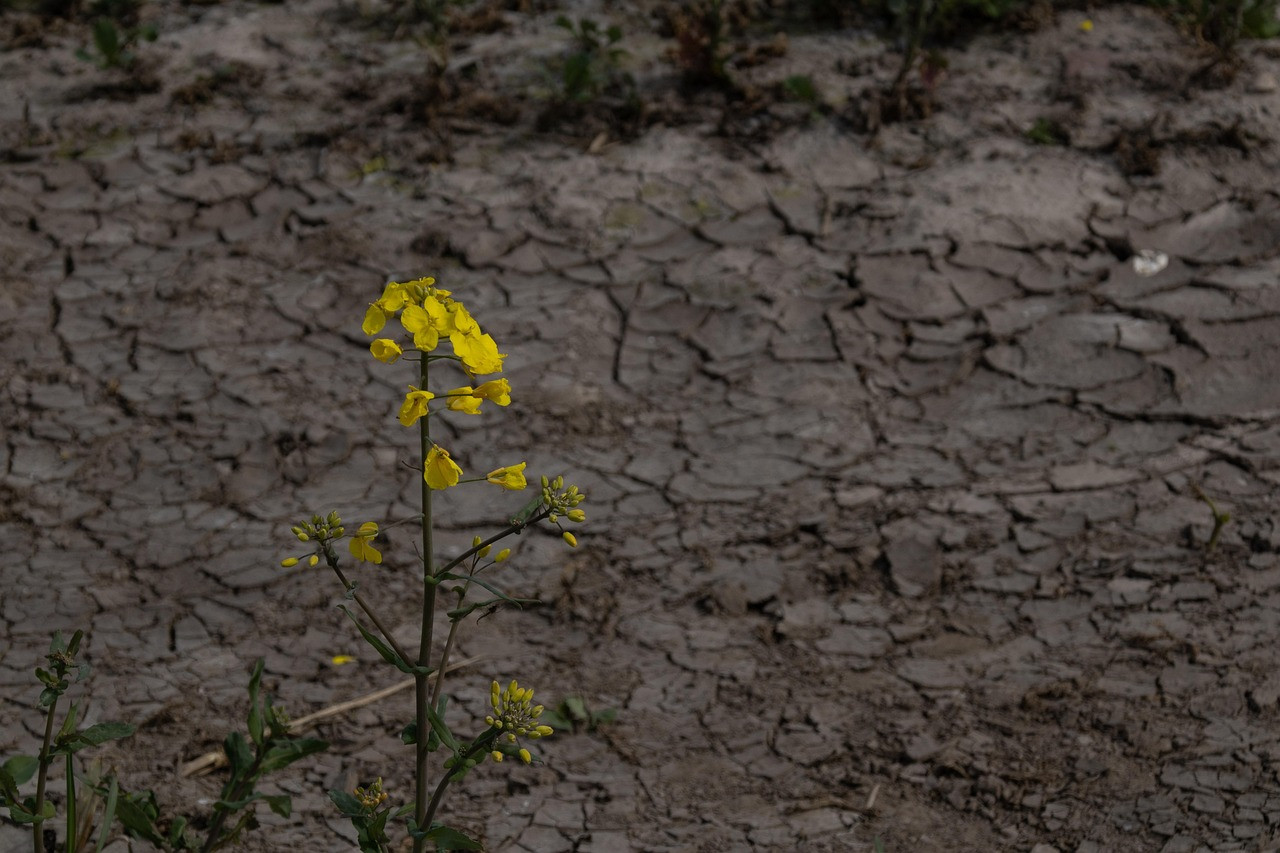
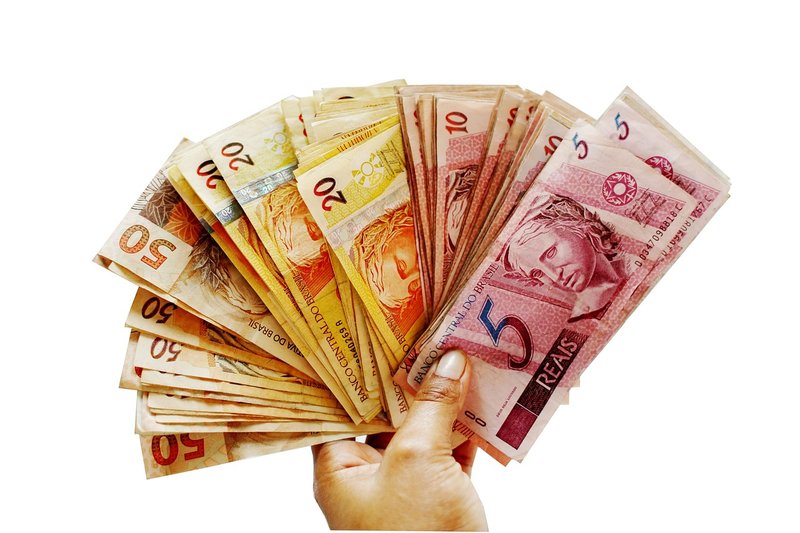
Representative image: Mirko_Fabian / Pixabay
Karnataka will pay drought-hit farmers up to Rs 5,000 each, Rs 2,500 before Diwali, CM D.K. Shivakumar said on 5 November 2026; it seeks Rs 22,400 crore from the Centre.
What Happened
Karnataka will pay drought-hit farmers up to Rs 5,000 each as an input subsidy, in two instalments, Chief Minister D.K. Shivakumar announced on Thursday, 5 November 2026. The first instalment of Rs 2,500 is being transferred directly to farmers' bank accounts before Diwali, and the second is due after the festival. The state puts its drought losses at Rs 62,000 crore across about 57 lakh hectares of crops and says it has asked the Centre for Rs 22,400 crore in relief.
Key Facts
- Relief: up to Rs 5,000 per eligible farmer as an input subsidy, money meant to help buy seeds, fertiliser and other inputs for the next crop.
- Payment: first instalment of Rs 2,500 by direct benefit transfer (DBT) before Diwali; second instalment of Rs 2,500 after Diwali.
- Eligibility: reports differ; one says relief applies up to a maximum of two hectares, another describes it as Rs 2,500 per acre up to Rs 5,000 per farmer. The official order will settle the rule.
- Losses: Rs 62,000 crore, according to the state.
- Area affected: about 57 lakh hectares of crops.
- Request to the Centre: Rs 22,400 crore in relief; the state says it has written more than five times to the Prime Minister and Union ministers seeking faster help and relaxed National Disaster Response Fund (NDRF) norms.
- Power: the Chief Minister also sought more funding for free farm power, from Rs 20,000 crore to Rs 30,000 crore, because drought has pushed up electricity use for irrigation.
Why It Matters
A failed season leaves farmers with debts and no money to sow the next crop. An input subsidy is meant to bridge that gap quickly, so that land is not left fallow. Paying half before Diwali also gives families cash at a time of high household spending.
The amount is small compared with the damage. Rs 5,000 per farmer will not replace a lost harvest, and the state itself has framed the payment as interim relief while it waits for central help. Karnataka has also asked the Centre to relax the NDRF norms, the rules that set how much central disaster aid a state can receive. Its repeated letters show how much the next step depends on the Centre's decision.
The request for higher free-power funding points to another hidden cost of drought. When rain fails, farmers run pumps longer to irrigate from wells, and the state pays more for the electricity it supplies free to farmers.
For rural businesses, from seed and fertiliser dealers to tractor services, the relief payments may support some demand in the coming sowing season, but the scale of losses suggests a difficult year for Karnataka's farm economy.
Peepals calculation: The state's estimated loss works out to roughly Rs 1.09 lakh per hectare of affected crop (Rs 62,000 crore ÷ 57 lakh hectares ≈ Rs 1,08,800). The Rs 22,400 crore sought from the Centre is about 36% of the estimated losses (22,400 ÷ 62,000 = 0.361). The proposed increase in free-power funding, from Rs 20,000 crore to Rs 30,000 crore, would be a rise of 50%. Our calculation from the reported figures.
| Item | Figure reported |
|---|---|
| Relief per farmer | up to Rs 5,000 (Rs 2,500 now, Rs 2,500 after Diwali) |
| Estimated drought losses | Rs 62,000 crore |
| Crop area affected | about 57 lakh hectares |
| Relief sought from Centre | Rs 22,400 crore |
| Free farm power funding sought | Rs 30,000 crore, up from Rs 20,000 crore |
Impact
Short-term: Eligible farmers receive Rs 2,500 in their bank accounts before Diwali, with another Rs 2,500 promised after the festival.
Long-term: Recovery for drought-hit farms will depend on central assistance and on the next season's rainfall; without larger support, many farmers may carry debts into the next crop.
Who is affected: Drought-hit farmers across Karnataka; rural traders and input dealers; the state's power utilities; and the Union government, which must decide on the state's Rs 22,400 crore request.
What to watch next: Release of the second Rs 2,500 instalment after Diwali, and the Centre's response to Karnataka's request for Rs 22,400 crore.
Key Takeaway
Karnataka will give drought-hit farmers up to Rs 5,000 each, half before Diwali, while seeking Rs 22,400 crore from the Centre against losses it puts at Rs 62,000 crore.
Questions and Answers
How much drought relief will Karnataka farmers get?
Up to Rs 5,000 per eligible farmer as an input subsidy: Rs 2,500 before Diwali by direct transfer and Rs 2,500 after Diwali, Chief Minister D.K. Shivakumar announced on 5 November 2026.
How big are Karnataka's drought losses?
The state estimates losses of Rs 62,000 crore, with crops on about 57 lakh hectares affected.
How much has Karnataka asked from the Centre?
Rs 22,400 crore in drought relief, along with relaxed NDRF norms and faster assistance.
Who is eligible?
Drought-affected farmers, subject to a land limit; reports differ on whether it is calculated up to two hectares or at Rs 2,500 per acre, so farmers should check the official order.
Disclaimer: Prepared by the Peepals newsroom from publicly available sources with AI assistance. Information is accurate to the best of our knowledge at the time of publication and may change. Images may be representative. Not professional advice. Report an error via our contact page.
By Rohit Sharma, Markets AnalystCovers Markets Watch and more for Peepals Business. All stories by Rohit Sharma
Daksham Growth Ventures raises Rs 125 crore for consumer start-up fund
Astral share price hits 52-week low after Q2 profit falls 5.6%
Get the day's stories in your inbox
Peepals Weekly: the week decoded, free. One email a week, unsubscribe in one click.
Rohit Sharma is a pen name of the Peepals Global Editorial Team, which researches, fact-checks and publishes every story. The portrait is an illustration.