
IDFC First Bank Q2 profit nearly triples to Rs 1,045 crore
 By Siddharth VermaBusiness Correspondent, Peepals Bharat
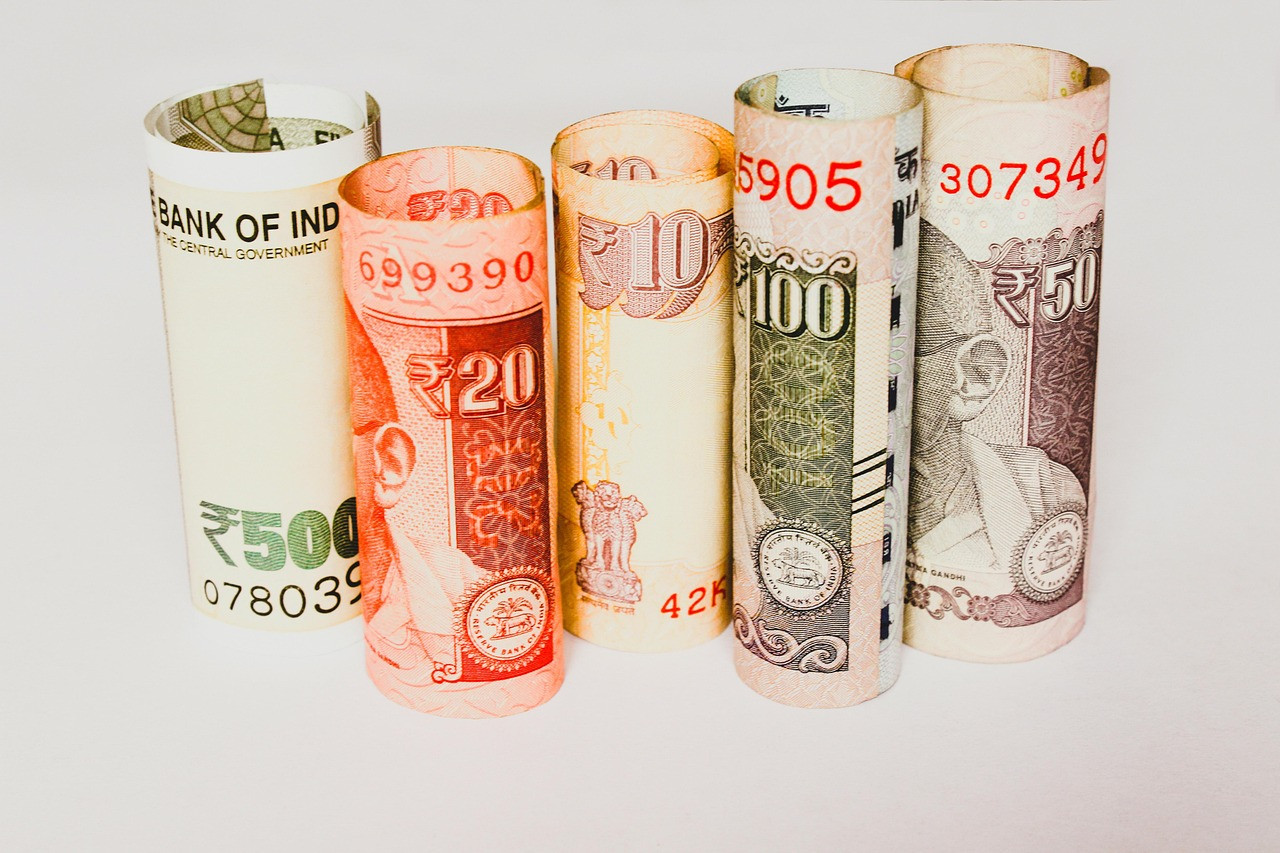
Representative image: rupixen / Pixabay
IDFC First Bank's July-September 2026 profit rose 196.5% to Rs 1,045 crore as provisions fell, but NRI deposit inflows pulled its margin down.
What Happened
IDFC First Bank, the private sector lender, reported on October 24, 2026 a profit after tax of Rs 1,045 crore for the July to September quarter of 2026-27 (Q2 FY27), up 196.5% from about Rs 352 crore a year earlier. The bank said lower provisions for bad loans and growth in its core lending business drove the jump. At the same time, a large inflow of foreign currency deposits from non-resident Indians (NRIs) pulled its net interest margin down, which is why the results drew mixed reactions from investors looking at IDFC First Bank shares.
Key Facts
- Profit after tax: Rs 1,045 crore in Q2 FY27, against about Rs 352 crore in Q2 FY26, a rise of 196.5%; profit was about 2.8% lower than in the June quarter.
- Net interest income, the gap between interest earned and interest paid, rose 21% to Rs 6,184 crore.
- Core operating profit, excluding trading gains, rose 38.5% to Rs 2,527 crore.
- Provisions were about Rs 1,137 crore, compared with about Rs 1,452 crore a year earlier.
- Gross bad loans (gross NPA) fell to 1.32% and net NPA to 0.40%.
- The bank raised Rs 34,390 crore in FCNR(B) deposits from NRI customers in the quarter, and lent about Rs 24,885 crore of it back as loans secured by those deposits.
- Reported net interest margin fell to 5.58% from 5.90% in the June quarter.
- Total deposits, including FCNR(B), reached Rs 3,48,583 crore, up 25.9% from a year earlier.
Why It Matters
The size of the jump says as much about last year as about this year. In the September quarter of 2025, the bank set aside large sums against bad loans, which held profit down to about Rs 352 crore. This year provisions were lower, and the loan book kept growing. Excluding loans backed by foreign currency deposits, domestic loans and advances grew 20.4% to Rs 3,13,864 crore. The improvement in asset quality, with gross NPA at 1.32%, suggests that fewer borrowers are falling behind on repayments.
The more unusual part of the quarter is the bank's push into FCNR(B) deposits. FCNR(B), short for Foreign Currency Non-Resident (Bank) deposits, are fixed deposits that NRIs keep in Indian banks in foreign currencies such as the US dollar, so the depositor does not carry the risk of the rupee falling. The bank raised Rs 34,390 crore this way in three months, mostly for three to five years, and lent about 72% of it back through its International Banking Unit as loans secured by the same deposits.
Management described these deposits as "optically NIM-dilutive". In plain terms, they add a large amount of money that earns a thin margin, so the margin on the whole balance sheet looks lower, even though the bank says they add to net interest income and profit. The bank also said their fully loaded cost is about one percentage point below that of domestic fixed deposits. Other private lenders, including Kotak Mahindra Bank, have also reported large NRI deposit inflows this month, at a time when the rupee has been weak against the dollar.
The FCNR(B) inflows also affected another figure that investors watch: the share of low-cost current and savings account money, known as the CASA ratio. The average CASA ratio fell to 48.4% from 50.1% a year earlier. Excluding the FCNR(B) effect, the bank said its core CASA ratio was 51.3% at the end of September, up from 50.8% in June.
| Measure | Q2 FY27 | Q2 FY26 or earlier |
|---|---|---|
| Profit after tax | Rs 1,045 crore | about Rs 352 crore |
| Net interest income | Rs 6,184 crore | up 21% year on year |
| Gross NPA | 1.32% | 1.51% in June quarter |
| Net interest margin | 5.58% | 5.90% in June quarter |
Impact
Short-term: The results keep the bank's quarterly profit above Rs 1,000 crore for a second quarter running, but the fall in margin is likely to keep investors focused on how much more FCNR(B) money it raises and how it is deployed. Borrowers and depositors see no direct change, though NRIs are being actively courted with foreign currency deposits.
Long-term: If bad loans stay low and domestic lending keeps growing at about 20%, the bank's profit base should be steadier than in 2025, when large provisions hit earnings. The FCNR(B) strategy ties part of its balance sheet to NRI savings, which can move with exchange rates and interest rates abroad, so its cost and duration will matter for future margins.
Who is affected: The bank's shareholders and employees, its retail and small business borrowers, NRI depositors who use FCNR(B) accounts, and competing private banks that are bidding for the same overseas Indian savings.
Key Takeaway
IDFC First Bank's Q2 FY27 profit nearly tripled to Rs 1,045 crore as provisions fell, while a Rs 34,390 crore inflow of NRI foreign currency deposits lowered its reported margin to 5.58%.
Questions and Answers
Why are IDFC First Bank shares in the news after the Q2 results?
The bank reported on October 24, 2026 that its July to September profit rose 196.5% to Rs 1,045 crore. Investors are weighing that strong profit against a fall in its net interest margin to 5.58% from 5.90%, caused mainly by a large inflow of NRI foreign currency deposits.
Why did IDFC First Bank's profit rise so sharply?
A year earlier the bank set aside about Rs 1,452 crore for bad loans, which held profit to about Rs 352 crore. In Q2 FY27 provisions were about Rs 1,137 crore, while net interest income grew 21% and core operating profit grew 38.5%.
What are FCNR(B) deposits?
Foreign Currency Non-Resident (Bank) deposits are fixed deposits that non-resident Indians hold in Indian banks in foreign currencies such as the US dollar. Because the deposit stays in foreign currency, the depositor is protected from a fall in the rupee. IDFC First Bank raised Rs 34,390 crore of them in the September quarter.
Disclaimer: Prepared by the Peepals newsroom from publicly available sources with AI assistance. Information is accurate to the best of our knowledge at the time of publication and may change. Images may be representative. Not professional advice. Report an error via our contact page.
By Siddharth Verma, Business CorrespondentCovers Business and more for Peepals Bharat. All stories by Siddharth Verma
Rishikesh travel start-up Bucketlistt raises Rs 7.6 crore to reach Manali, Bir
Pahalgam, Gulmarg dip below freezing: what Kashmir travellers should know
Get the day's stories in your inbox
Peepals Weekly: the week decoded, free. One email a week, unsubscribe in one click.
Siddharth Verma is a pen name of the Peepals Global Editorial Team, which researches, fact-checks and publishes every story. The portrait is an illustration.