
Odisha Eco Retreat 2026-27: 125 luxury tents at Satkosia, Daringbadi, Hirakud
 By Meera IyerStaff Writer, Peepals Bharat
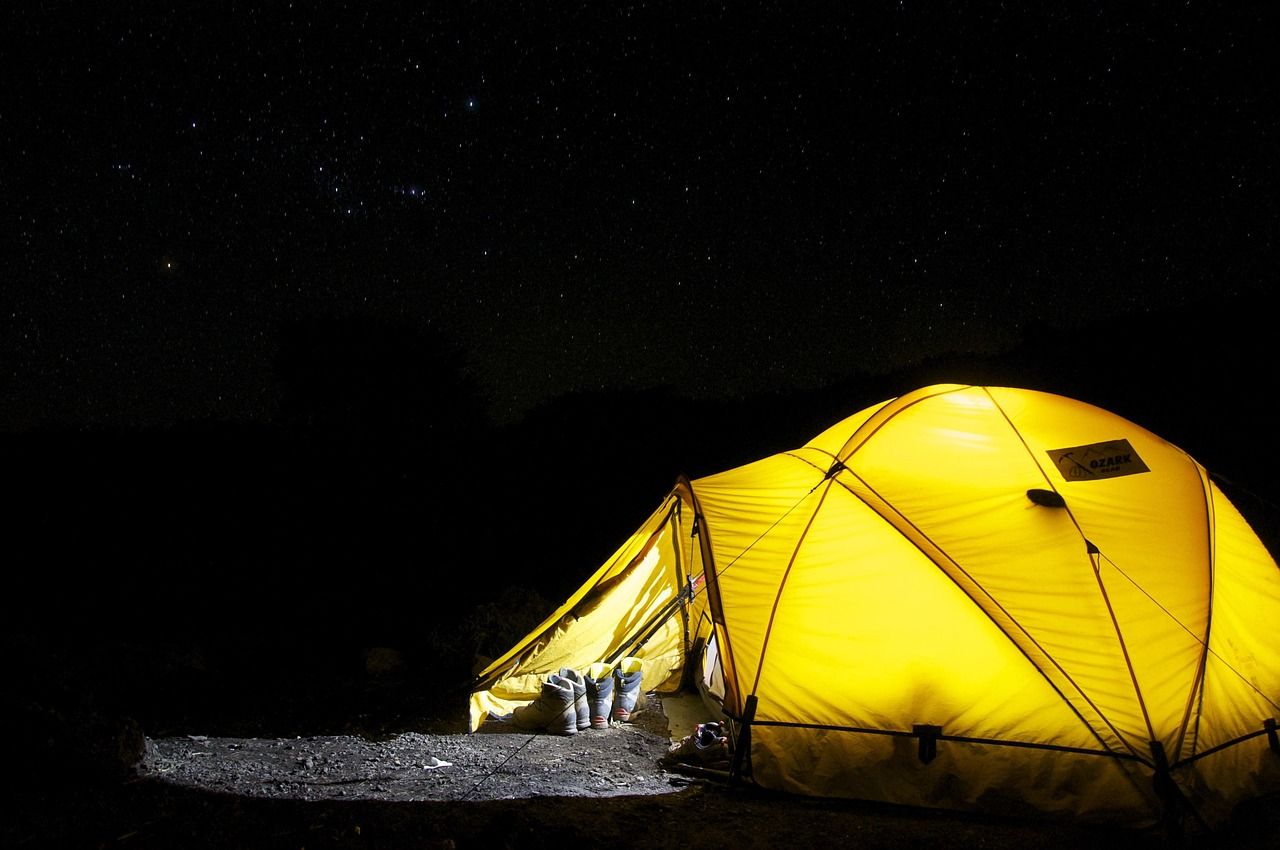
Representative image: bhossfeld / Pixabay
Odisha launched the first phase of Eco Retreat 2026-27 on 16 November 2026, planning 125 luxury tents at Satkosia, Daringbadi and Hirakud under a new funding model.
Eco Retreat Odisha: what happened
Odisha Deputy Chief Minister Pravati Parida launched the first phase of Eco Retreat 2026-27, the state's seasonal luxury-tent tourism programme, on Monday, 16 November 2026. She opened it virtually from Paryatan Bhawan in Bhubaneswar. This season's first phase covers three places, Satkosia, Daringbadi and Hirakud, with 125 luxury tents planned, and for the first time the state is using a Viability Gap Funding model to bring in private operators.
Eco Retreat Odisha: key facts
- Programme: Eco Retreat 2026-27, run by Odisha's Department of Tourism.
- Launched: Monday, 16 November 2026, virtually, by Deputy Chief Minister Pravati Parida, who handles tourism.
- First-phase sites: Satkosia, Daringbadi and Hirakud.
- Tents planned: 125 in all: 50 at Satkosia, 50 at Hirakud and 25 at Daringbadi.
- Season length: at least 150 days at Satkosia and Daringbadi, and at least 120 days at Hirakud, according to the state.
- New this year: a Viability Gap Funding (VGF) model, under which the Tourism Department gives targeted financial support to selected event management agencies that build and run the sites.
- Aim, as stated by the state: sustainable, experience-based tourism in natural settings.
Eco Retreat Odisha: why it matters
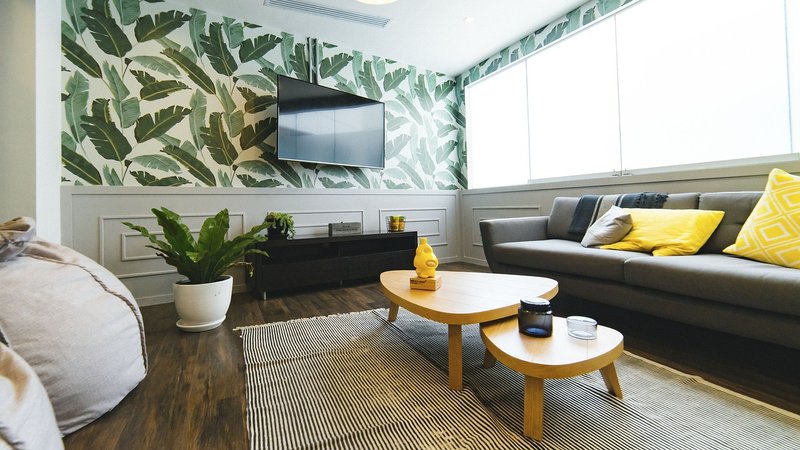
Eco Retreat is Odisha's answer to "glamping", short for glamorous camping: comfortable, furnished tents put up for a season in scenic places, usually with meals and activities included. Tents can be set up and taken down without building permanent hotels, which matters in forest, hill and reservoir areas where permanent construction is limited or undesirable.
The choice of sites spreads the programme across different landscapes: a forest and river area at Satkosia, a hill destination at Daringbadi and the reservoir of the Hirakud Dam. That gives travellers several kinds of nature stay within one state programme, and brings tourist spending to inland districts rather than only the coast.
The funding change is the main policy news. Viability Gap Funding is a subsidy that closes the gap between what a project costs and what it can earn on its own, so that a private company finds it worth running. Instead of the department paying for and managing everything itself, selected agencies will set up and operate the tents with targeted support. The state has not published the amount of that support in the announcement.
For travellers, the practical point is timing. The retreats run for a season, not all year, so the window is roughly four to five months from the start of operations. Rates and the booking portal for the 2026-27 season should be checked on the Odisha Tourism website, since third-party listings online give very different prices.
Peepals calculation: if every tent runs for the minimum season the state has set, the three sites together offer at least 17,250 tent-nights this season: Satkosia 50 × 150 = 7,500, Daringbadi 25 × 150 = 3,750 and Hirakud 50 × 120 = 6,000. Satkosia alone accounts for about 43% of that capacity (7,500 ÷ 17,250). Our calculation from the reported figures.
| Site | Tents | Minimum season |
|---|---|---|
| Satkosia | 50 | 150 days |
| Hirakud | 50 | 120 days |
| Daringbadi | 25 | 150 days |
| Total | 125 | - |
Eco Retreat Odisha: impact
Short-term: Tents will be set up at the three sites by the selected agencies, and bookings for the winter season open through the state's channels.
Long-term: If the VGF model works, Odisha could extend it to more destinations and rely more on private operators for seasonal tourism, with the state supporting rather than running each site.
Who is affected: Domestic and foreign travellers looking for nature stays; local guides, cooks, drivers and craftspeople near Satkosia, Daringbadi and Hirakud; and event-management and hospitality firms bidding to run the retreats.
What to watch next: The state has called this the first phase, so further Eco Retreat sites for 2026-27 may follow; the announcement did not name them or give dates.
Eco Retreat Odisha: key takeaway
Travellers planning a winter trip to Odisha should check official rates and dates for the three first-phase sites, and watch for the next phase, since the state has named only Satkosia, Daringbadi and Hirakud so far.
Eco Retreat Odisha: questions and answers
Where is Eco Retreat Odisha being held in 2026-27?
The first phase covers Satkosia, Daringbadi and Hirakud, with 125 tents planned across the three sites.
How long will the Eco Retreat sites stay open?
According to the state, Satkosia and Daringbadi will operate for at least 150 days and Hirakud for at least 120 days this season.
What is Viability Gap Funding in Eco Retreat?
It is financial support from the Tourism Department to selected event management agencies that build and run the tent sites, meant to make the project worthwhile for private operators.
How can I book an Eco Retreat tent?
Check the Odisha Tourism website for the official 2026-27 booking channel and rates, as online third-party listings show prices that do not match one another.
Disclaimer: Prepared by the Peepals newsroom from publicly available sources with AI assistance. Information is accurate to the best of our knowledge at the time of publication and may change. Images may be representative. Not professional advice. Report an error via our contact page.
By Meera Iyer, Staff WriterCovers Governance & Policy and more for Peepals Bharat. All stories by Meera Iyer
JohnAIC raises $1.9 million to build on-premise AI servers in Bengaluru
Pyre show cuts: Vinod Kapri says he was warned of 'serious repercussions'
Your week ahead, every Sunday. Free.
Exam and result dates, IPOs opening, scheme deadlines, government holidays and the RBI decision for the next 7 days, plus the week's top stories. One email a week, unsubscribe in one click.
Meera Iyer is a pen name of the Peepals Global Editorial Team, which researches, fact-checks and publishes every story. The portrait is an illustration.
Responsible for this story: the Peepals Global Editorial Team, led by editor Prashant Sonar. How we report