
Delhi High Court tells Railways: review station crowds a week before big events
 By Meera IyerStaff Writer, Peepals Bharat

Representative image: Ezequiel_Octaviano / Pixabay
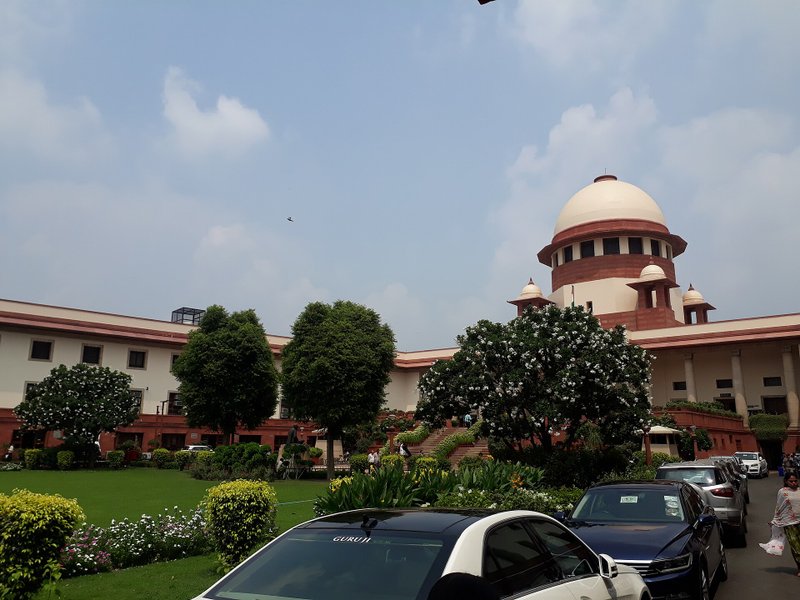
The Delhi High Court has ordered the Railways to strictly follow crowd-control rules at stations and review arrangements a week before big events, reports said on 16 November 2026.
What Happened
The Delhi High Court has directed the Railways to strictly carry out their existing crowd-management rules at railway stations and to review arrangements at least one week before any event expected to bring in large numbers of passengers, according to reports of the judgment published on Monday, 16 November 2026. Justice Amit Mahajan said a senior officer nominated by the competent authority must carry out that review in coordination with Delhi Police and other agencies, prepare a written report and keep records, and that the authorities concerned would be liable for any failure to comply. The case arose from the stampede at New Delhi Railway Station on 15 February 2025, in which 18 people died and 15 were injured.
Delhi High Court: key facts
- Court: Delhi High Court, judgment by Justice Amit Mahajan, reported on 16 November 2026.
- Order: the Railways must strictly implement their existing standard operating procedures (SOPs) and circulars on crowd control.
- Advance review: before any event likely to draw heavy passenger footfall, a nominated senior officer must review arrangements at least a week ahead, with Delhi Police and other agencies.
- Records: the reviewing officer must prepare a written report and maintain records.
- Accountability: officials concerned will be liable for non-compliance.
- No new SOP: the court did not order a fresh rulebook, saying framing policy is the executive's job.
- Background: the 15 February 2025 New Delhi station stampede killed 18 people and injured 15.
Delhi High Court: why it matters
Indian Railways carries enormous crowds during festivals, fairs and holiday seasons, and large stations in Delhi are among the busiest. The stampede at New Delhi Railway Station in February 2025, showed how quickly a crowd can turn deadly when trains are delayed, platforms change or announcements confuse travellers.
After that disaster the Railway Board issued a series of instructions on holding areas for passengers, control of who enters the platform, CCTV monitoring, limits on waiting-list tickets and better passenger information. The court's main point was not that these rules are missing but that they must actually be followed. By refusing to order a new SOP and instead insisting on enforcement, documentation and named responsibility, the judgment puts the weight on what happens on the ground on busy days.
The requirement of a review a week before big events gives travellers a clearer expectation. Ahead of festivals such as Chhath, Diwali, Holi or major religious gatherings, a senior railway officer will be expected to sit down with Delhi Police and other agencies, check the plan for crowd flow, entry and exit, and put the result in writing. The Railways had told the court in an affidavit that the Railway Board's guidelines already ask divisional commercial and security managers to prepare a joint action plan at least three weeks before such events; the court's order adds a separate, final review closer to the date.
For passengers, the practical effect should be more organised waiting areas, controlled entry to platforms and clearer announcements when crowds build. The accountability clause matters too: if arrangements fail, the officials responsible can be held liable.
Peepals timeline: On 15 February 2025, a stampede at New Delhi Railway Station killed 18 people. The Railway Board then issued crowd-control circulars and SOPs dated 1 May, 30 May, 2 July, 28 November and 16 December 2025, covering holding areas, access control, CCTV, waiting-list limits and passenger information. A petition on station safety reached the Delhi High Court, and on 16 November 2026 reports of Justice Amit Mahajan's judgment said the court had ordered those rules enforced with a review a week before big events. The gap from the stampede to the reported judgment is about one year and nine months, our calculation from the reported dates.
| Requirement | What the court or Railways said |
|---|---|
| Existing SOPs and circulars | Must be strictly implemented |
| Review before big events | Senior officer, at least one week ahead |
| Coordination | With Delhi Police and other agencies |
| Paperwork | Written report and records |
| Railway Board guideline (affidavit) | Joint action plan three weeks ahead |
Impact
Short-term: Railway officials in Delhi will need to schedule and document reviews before upcoming crowd-heavy occasions, and stations may see more visible crowd control on busy days.
Long-term: Written reports and clear liability could make it easier to trace failures if crowding goes wrong again, and could push other zones to follow the same discipline even though the order comes from the Delhi High Court.
Who is affected: Passengers using Delhi's major stations, especially during festivals; railway commercial and security staff; the Railway Protection Force; and Delhi Police.
Key Takeaway
The Delhi High Court has not written new rules but has ordered the Railways to enforce the crowd-control rules they already have, with a senior officer's documented review at least a week before any big event.
Questions and Answers
What did the Delhi High Court order on railway crowd management?
The court told the Railways to strictly implement their existing crowd-control SOPs and circulars, and said a nominated senior officer must review arrangements at least a week before any event expected to draw large crowds, in coordination with Delhi Police, with a written report.
Why did the Delhi High Court hear this case?
The petition arose after the stampede at New Delhi Railway Station on 15 February 2025, in which 18 people died and 15 were injured.
Did the court ask for a new safety rulebook?
No. The court said framing policy belongs to the executive and did not order a fresh SOP; it said the existing instructions must be followed in practice.
What happens if railway officials do not follow the order?
The court said the authorities concerned will be liable for non-compliance.
Disclaimer: Prepared by the Peepals newsroom from publicly available sources with AI assistance. Information is accurate to the best of our knowledge at the time of publication and may change. Images may be representative. Not professional advice. Report an error via our contact page.
By Meera Iyer, Staff WriterCovers Governance & Policy and more for Peepals Bharat. All stories by Meera Iyer
Cyclone Akvan: IMD sees Andhra landfall between Nellore and Tuni on November 20
Dhindora Season 2 on Netflix November 20: Bhuvan Bam's Titu Mama returns
Your week ahead, every Sunday. Free.
Exam and result dates, IPOs opening, scheme deadlines, government holidays and the RBI decision for the next 7 days, plus the week's top stories. One email a week, unsubscribe in one click.
Meera Iyer is a pen name of the Peepals Global Editorial Team, which researches, fact-checks and publishes every story. The portrait is an illustration.
Responsible for this story: the Peepals Global Editorial Team, led by editor Prashant Sonar. How we report