
JohnAIC raises $1.9 million to build on-premise AI servers in Bengaluru
 By Meera IyerStaff Writer, Peepals Bharat
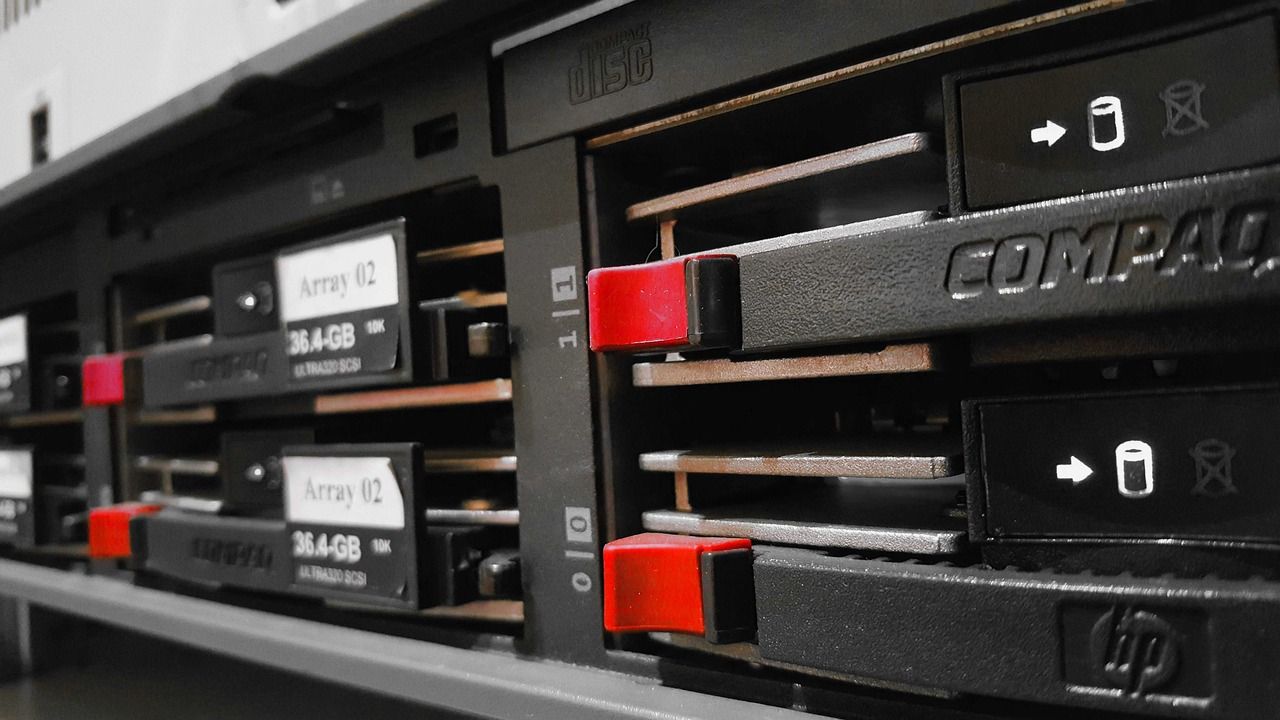
Representative image: frabre / Pixabay
Bengaluru start-up JohnAIC raised $1.9 million in a pre-seed round led by Crane Venture Partners on 17 November 2026 to make up to 100 AI servers a month.
What Happened
JohnAIC, a Bengaluru start-up that builds AI computers companies can keep in their own offices and data rooms, has raised $1.9 million in a pre-seed funding round, according to reports published on Tuesday, 17 November 2026. The round was led by Crane Venture Partners, with Neon Fund taking part. The company, founded by Sasank Chilamkurthy, said it will use the money to expand the manufacturing, configuration and supply of its AI servers, with the aim of producing up to 100 servers a month.
JohnAIC: key facts
- Company: JohnAIC, based in Bengaluru, founded by Sasank Chilamkurthy.
- Amount: $1.9 million in a pre-seed round.
- Lead investor: Crane Venture Partners; Neon Fund also invested.
- Product: on-premise AI systems that combine GPU servers, inference software, tuned open-source models and local data management.
- Target: production capacity of up to 100 AI servers a month.
- Customers aimed at: enterprises, including banks and financial institutions, that want AI to run inside their own premises.
- The company pitches its systems as designed to help such firms meet India's data protection law and RBI requirements.
JohnAIC: why it matters
Most companies that use artificial intelligence today send their data to large cloud providers, whose machines sit in data centres owned by someone else. For many Indian firms, especially banks, insurers and government-linked bodies, that raises questions about where sensitive data is stored and who can see it. JohnAIC's answer is an "on-premise" box: the hardware and software needed to run AI models are delivered to the customer and run inside its own building or network. The company calls this sovereign AI infrastructure, meaning the customer keeps control of both the data and the computing.
A few terms explain the product. A GPU, or graphics processing unit, is the chip that does the heavy maths behind modern AI. Inference is the step where a trained model answers a question or processes a document, as opposed to training, which builds the model in the first place. Open-source models are AI models whose designs are published so anyone can run them. JohnAIC's pitch is that it packages all of these into a ready system, so a firm does not need a large in-house team to stitch them together.
The timing fits two pressures in India. The Digital Personal Data Protection Act places duties on companies that handle people's personal data, and the Reserve Bank of India has rules on how regulated entities store and process data and use outside technology vendors. A firm that wants to use AI on customer records may find it simpler to keep the work in-house. Investors are betting that demand for such systems will grow as more Indian businesses move from trying AI to using it every day.
The investors gave their reasons. Anandamoy Roychowdhary, Crane Venture Partners' managing director for India and Asia-Pacific, said the firm was attracted by the company's aim of delivering more AI output per rupee spent. Neon Fund co-founder Siddhartha Ahluwalia said the fund backs founders building critical infrastructure that lets companies deploy AI quickly, securely and economically. These are the investors' views of the company; the company's own performance claims have not been independently tested.
Peepals calculation: A target of up to 100 servers a month works out to up to 1,200 servers a year if reached and held for twelve months (100 × 12 = 1,200). Our calculation from the reported figures; the company has stated a monthly capacity goal, not a sales forecast.
| Item | Detail |
|---|---|
| Round | Pre-seed, $1.9 million |
| Lead investor | Crane Venture Partners |
| Other investor | Neon Fund |
| Capacity goal | Up to 100 AI servers a month |
Impact
Short-term: The money goes into building and supplying more machines. The test is whether JohnAIC can move from a small team assembling servers to steady production close to its 100-a-month goal.
Long-term: If on-premise AI catches on among Indian banks, hospitals and public bodies, local makers of AI hardware could become a small but important industry, reducing reliance on foreign cloud platforms for sensitive work.
Who is affected: Indian enterprises that hold sensitive data and want to use AI, especially in banking and finance; technical staff and suppliers in Bengaluru's hardware ecosystem; and investors watching India's AI infrastructure space.
Key Takeaway
JohnAIC's $1.9 million pre-seed round, led by Crane Venture Partners, is a bet that Indian firms will want AI servers they own and keep on their own premises, and the company now has to show it can build them at scale.
Questions and Answers
What does JohnAIC do?
JohnAIC is a Bengaluru start-up that sells on-premise AI systems: GPU servers bundled with software to run open-source AI models and manage data locally, so a company can use AI without sending its data to an outside cloud.
How much did JohnAIC raise and from whom?
It raised $1.9 million in a pre-seed round led by Crane Venture Partners, with Neon Fund also investing, as reported on 17 November 2026.
What will JohnAIC do with the money?
The company plans to expand manufacturing, configuration and supply of its AI servers, aiming for production capacity of up to 100 servers a month.
Why would a bank want AI servers on its own premises?
Keeping AI work in-house lets a bank control where customer data is stored and processed, which can make it easier to meet India's data protection law and the Reserve Bank of India's rules on data and outside vendors.
Disclaimer: Prepared by the Peepals newsroom from publicly available sources with AI assistance. Information is accurate to the best of our knowledge at the time of publication and may change. Images may be representative. Not professional advice. Report an error via our contact page.
By Meera Iyer, Staff WriterCovers Governance & Policy and more for Peepals Bharat. All stories by Meera Iyer
Your week ahead, every Sunday. Free.
Exam and result dates, IPOs opening, scheme deadlines, government holidays and the RBI decision for the next 7 days, plus the week's top stories. One email a week, unsubscribe in one click.
Meera Iyer is a pen name of the Peepals Global Editorial Team, which researches, fact-checks and publishes every story. The portrait is an illustration.
Responsible for this story: the Peepals Global Editorial Team, led by editor Prashant Sonar. How we report