
RAPP-8 nuclear reactor gets AERB nod for first criticality at Rawatbhata
 By Meera IyerGovernance & Policy Editor, Peepals Bharat
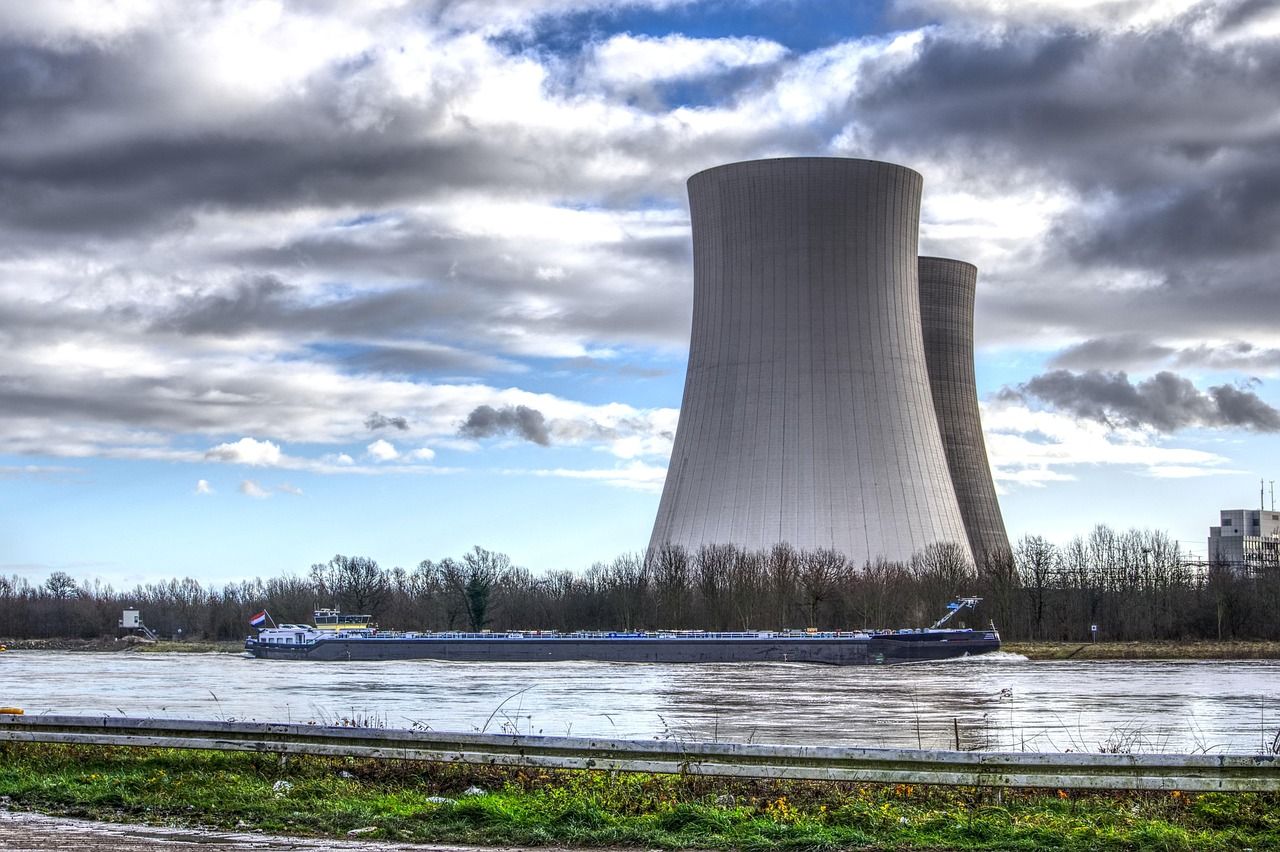
Representative image: distelAPPArath / Pixabay
The Atomic Energy Regulatory Board permitted the first approach to criticality of Rajasthan Atomic Power Project Unit-8, a 700 MWe indigenous reactor, on 19 November 2026.
RAPP-8: what happened
The Atomic Energy Regulatory Board (AERB), India's nuclear safety regulator, on Thursday, 19 November 2026, gave permission for the First Approach to Criticality (FAC) of Unit 8 of the Rajasthan Atomic Power Project (RAPP-8), a 700 MWe pressurised heavy water reactor at Rawatbhata in Chittorgarh district, Rajasthan. RAPP-8 is the fourth reactor in India's series of indigenous 700 MWe reactors, and the clearance followed the completion of the required safety reviews, the AERB said in a release on 20 November. Criticality is the point at which a reactor sustains a controlled nuclear chain reaction for the first time.
RAPP-8: key facts
- Unit: Rajasthan Atomic Power Project Unit-8 (RAPP-8), at the Rawatbhata site, Chittorgarh district, Rajasthan.
- Reactor type: 700 MWe pressurised heavy water reactor (PHWR) of indigenous design; the fourth of this series.
- Decision: AERB permission for First Approach to Criticality on 19 November 2026.
- Review: the regulator examined areas including reactor design, commissioning test results and its board's deliberations before clearing the step.
- Earlier step: initial fuel loading at RAPP-8 began in September 2026 after AERB clearance.
- Next: commissioning activities and low-power physics tests, then grid synchronisation and, later, commercial power generation.
- Oversight: AERB will continue to monitor commissioning through reviews and inspections, including its resident site observers.
RAPP-8: why it matters
Nuclear plants produce electricity round the clock without burning coal, and the 700 MWe PHWR is an Indian-designed reactor being built as a series. RAPP-8 is the fourth unit of that series, according to the AERB. Each new unit that reaches criticality is a step in proving that the design can be repeated reliably across sites.
The regulator's role is central to that process. A reactor cannot move from fuel loading to criticality, or from criticality to producing power for the grid, without the AERB's step-by-step permission. The release stresses that the clearance came only after the required safety reviews, and that oversight continues through inspections and observers stationed at the site. For people living around Rawatbhata, those checks are the public assurance that the plant is being brought online safely.
For electricity users, the benefit comes later. First criticality is not the same as supplying power. The reactor must pass low-power tests, gradually raise output and be synchronised with the grid before it starts adding electricity, and only then move to full commercial operation. Some explainers have cited target dates for those steps in 2027, but no official dates have been announced.
For Rajasthan, RAPP-8 adds to the nuclear capacity at the Rawatbhata site in Chittorgarh district.
Peepals timeline: Initial fuel loading of RAPP-8 began in September 2026 after AERB clearance. On 19 November 2026, the AERB granted permission for the First Approach to Criticality, and it announced the decision in a release on 20 November. The next stages, low-power physics tests, grid synchronisation and commercial operation, depend on further AERB permissions; no official dates for them have been published.
| Stage | Status |
|---|---|
| Initial fuel loading | began September 2026 |
| First Approach to Criticality | permitted 19 November 2026 |
| Low-power physics tests | next |
| Grid synchronisation | after tests, date not announced |
| Commercial operation | later, date not announced |
RAPP-8: impact
Short-term: The operator can now take RAPP-8 to criticality and begin low-power testing under AERB supervision.
Long-term: Once connected to the grid, the 700 MWe unit will add to India's nuclear generating capacity and strengthen the case for building more reactors of the same indigenous design.
Who is affected: electricity consumers in Rajasthan and the northern grid, residents near Rawatbhata, the Nuclear Power Corporation of India (NPCIL), and India's nuclear industry suppliers.
What to watch next: the reactor's first criticality and the AERB's later permissions for raising power and grid synchronisation.
RAPP-8: key takeaway
Watch for RAPP-8's first criticality and grid synchronisation announcements, which will mark when the new 700 MWe unit actually begins supplying power.
RAPP-8: questions and answers
What is First Approach to Criticality?
It is the stage at which a new reactor is brought to criticality, a controlled, self-sustaining nuclear chain reaction, for the first time. It comes before power generation.
Where is RAPP-8?
At the Rawatbhata nuclear power site in Chittorgarh district, Rajasthan.
When will RAPP-8 produce electricity for the grid?
No official date has been announced. It must first complete commissioning and low-power tests and receive further AERB permissions for grid synchronisation.
What is special about the 700 MWe PHWR?
It is an Indian-designed pressurised heavy water reactor. RAPP-8 is the fourth unit of this series to reach this stage, according to the AERB.
Disclaimer: Prepared by the Peepals newsroom from publicly available sources with AI assistance. Information is accurate to the best of our knowledge at the time of publication and may change. Images may be representative. Not professional advice. Report an error via our contact page.
By Meera Iyer, Governance & Policy EditorCovers Governance & Policy and more for Peepals Bharat. All stories by Meera Iyer
NISD signs 23 MoUs with universities on de-addiction, elderly care training
Women own 38% of India's 10 crore registered MSMEs, ministry says
Your week ahead, every Sunday. Free.
Exam and result dates, IPOs opening, scheme deadlines, government holidays and the RBI decision for the next 7 days, plus the week's top stories. One email a week, unsubscribe in one click.
Meera Iyer is a pen name of the Peepals Global Editorial Team, which researches, fact-checks and publishes every story. The portrait is an illustration.
Responsible for this story: the Peepals Global Editorial Team, led by editor Prashant Sonar. How we report