
Census self enumeration open till November 30 in UP, Punjab, Goa, Uttarakhand
 By Meera IyerGovernance & Policy Editor, Peepals Bharat
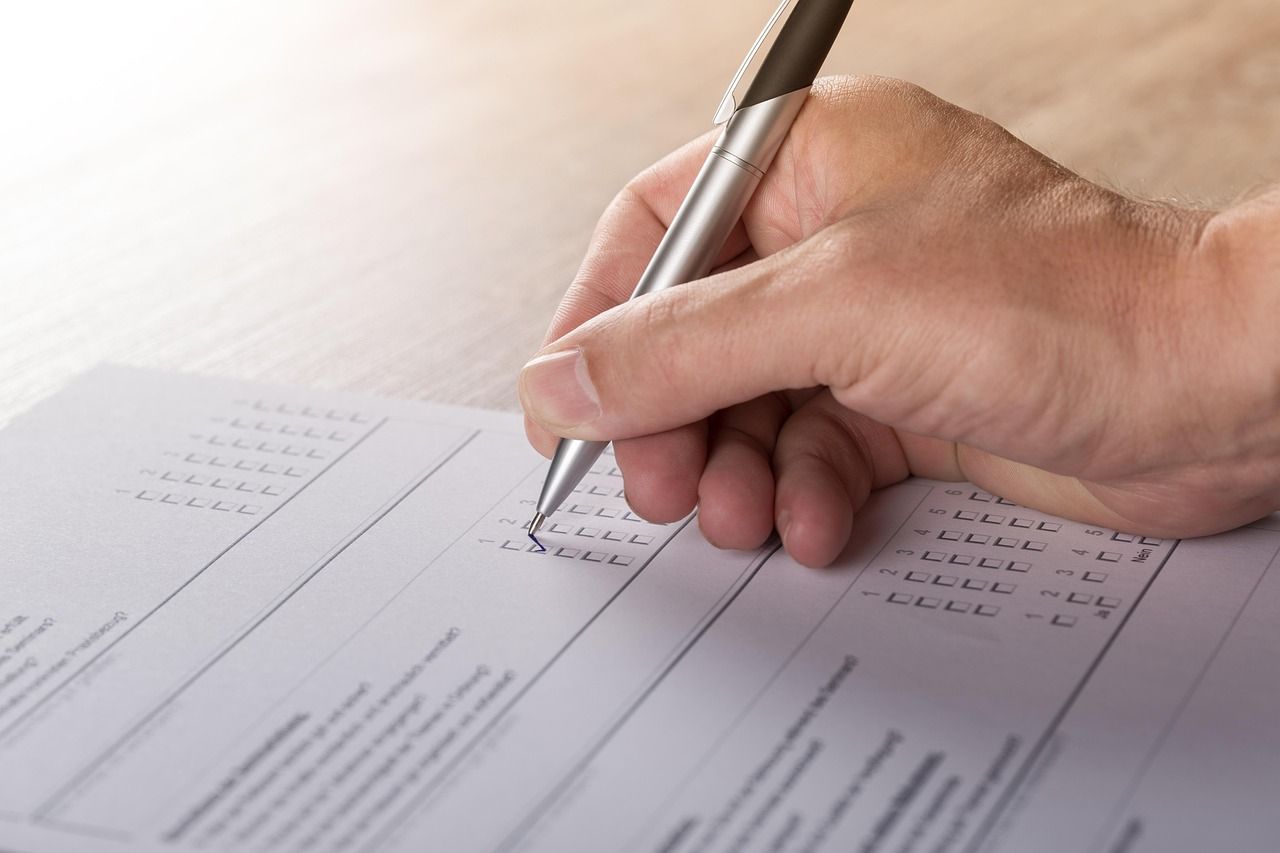
Representative image: andibreit / Pixabay
Census 2027 Phase II self-enumeration runs to 30 November in four states; house visits follow from 1 December, and the rest of India gets 10-24 January.
Census Self Enumeration: what happened
Census 2027 self enumeration for Phase II, the population count, is open until Monday, 30 November 2026 for households in Uttar Pradesh, Punjab, Goa and the non-snow-bound areas of Uttarakhand. The window opened on Monday, 16 November, according to the Press Information Bureau release issued that day. Residents of these four states can fill in their household and individual details on the portal se.census.gov.in before enumerators visit their homes between 1 December 2026 and 4 January 2027. Uttar Pradesh Chief Minister Yogi Adityanath said on 19 November that he had completed his own self-enumeration and urged people to take part.
Census Self Enumeration: key facts
- Who can use it now: households in Goa, Punjab, Uttar Pradesh and the non-snow-bound parts of Uttarakhand.
- Online window: 16 to 30 November 2026, on se.census.gov.in.
- Log-in: with a mobile number, preferably the one registered during Phase I, the house-listing round held earlier in 2026.
- The form: 40 notified questions on household and individual details, available in 16 languages.
- After submitting: the portal generates a self-enumeration ID, which the household shares with the enumerator during the house visit so the online entries can be checked.
- House-to-house count in these four states: 1 December 2026 to 4 January 2027, with a revisional round from 5 to 9 January 2027.
- Rest of India (except Manipur and the areas already covered): self-enumeration from 10 to 24 January 2027, house visits from 25 January to 28 February 2027, revisional round from 1 to 5 March 2027.
- Reference date for the count: 00:00 hours on 1 March 2027.
Census Self Enumeration: why it matters
Census 2027 is India's first digital census, and it runs in two phases: Phase I, house-listing, which was held earlier in 2026, and Phase II, population enumeration, which counts every person. Under the Ministry of Home Affairs notification, it also includes caste enumeration across all communities, the first time since Independence that caste details are collected for everyone.
Self-enumeration is optional. It lets a household type in its own answers instead of giving them to an enumerator at the door. It does not replace the visit: the enumerator still comes, takes the self-enumeration ID and checks the entries. Households that do not fill the form online are counted in the normal way during the door-to-door round. The government has said that all information is confidential under the Census Act, 1948.
Why do these four states go first? The notification treats them, along with Ladakh and the snow-bound areas of Himachal Pradesh and Jammu and Kashmir, separately from the rest of the country. The snow-bound areas held their own self-enumeration in August 2026. For Uttar Pradesh, Punjab, Goa and Uttarakhand, the counting window starts about two months before the rest of India.
Peepals calculation: Both groups of states get the same amount of time. In the four early states, the online window runs 15 days (16 to 30 November) and the house-to-house round 35 days (1 December to 4 January). In the rest of India, the online window is also 15 days (10 to 24 January) and the house visits again 35 days (25 January to 28 February). Counting from 21 November, households in the four states have 10 days left, including today, to submit online. Our calculation from the reported figures.
| Stage | UP, Punjab, Goa, Uttarakhand | Rest of India |
|---|---|---|
| Self-enumeration online | 16-30 November 2026 | 10-24 January 2027 |
| House-to-house count | 1 December 2026 - 4 January 2027 | 25 January - 28 February 2027 |
| Revisional round | 5-9 January 2027 | 1-5 March 2027 |
Census Self Enumeration: impact
Short-term: Families in the four states who want to answer at their own pace, or who may not be home when the enumerator calls, can submit online until 30 November and keep their self-enumeration ID ready for the visit.
Long-term: Census counts are the base data that governments use when planning services and schemes. Phase II also produces the first full count of caste since Independence, which will feed into policy debates on reservation and social programmes once the data are released.
Who is affected: Households in Uttar Pradesh, Punjab, Goa and non-snow-bound Uttarakhand now; households in the other states and Union Territories from January 2027; and the enumerators who carry out the house visits.
What to watch next: the close of the online window on 30 November 2026, the start of house visits in the four states on 1 December, and the self-enumeration window for the rest of India from 10 January 2027.
Census Self Enumeration: key takeaway
If you live in Uttar Pradesh, Punjab, Goa or non-snow-bound Uttarakhand and want to fill your census details yourself, do it on se.census.gov.in by 30 November and keep the ID it gives you for the enumerator's visit.
Census Self Enumeration: questions and answers
What is census self enumeration?
It is an optional online facility that lets a household fill in its own Census 2027 details on se.census.gov.in instead of answering an enumerator at the door. After the form is submitted, the portal gives a self-enumeration ID, which is shown to the enumerator during the house visit for verification.
Is self-enumeration compulsory?
No. It is voluntary. Households that do not use it will be counted by an enumerator during the house-to-house round, which runs from 1 December 2026 to 4 January 2027 in the four early states and from 25 January to 28 February 2027 elsewhere.
I live in Delhi or Maharashtra. When can I self-enumerate?
In the remaining states and Union Territories, the self-enumeration window for Phase II is 10 to 24 January 2027, according to the Ministry of Home Affairs schedule. Manipur is excluded from that schedule until further notice.
Which mobile number should I use to log in?
The official guidance asks residents to log in with a mobile number, preferably the same one they registered during Phase I, the house-listing round. The form has 40 questions and is available in 16 languages.
Disclaimer: Prepared by the Peepals newsroom from publicly available sources with AI assistance. Information is accurate to the best of our knowledge at the time of publication and may change. Images may be representative. Not professional advice. Report an error via our contact page.
By Meera Iyer, Governance & Policy EditorCovers Governance & Policy and more for Peepals Bharat. All stories by Meera Iyer
IndiGo Delhi-Kuala Lumpur, Bengaluru-Hanoi daily flights from December 20
Haryana's first Mobile Tourist Police Post starts at Kapal Mochan mela
Your week ahead, every Sunday. Free.
Exam and result dates, IPOs opening, scheme deadlines, government holidays and the RBI decision for the next 7 days, plus the week's top stories. One email a week, unsubscribe in one click.
Meera Iyer is a pen name of the Peepals Global Editorial Team, which researches, fact-checks and publishes every story. The portrait is an illustration.
Responsible for this story: the Peepals Global Editorial Team, led by editor Prashant Sonar. How we report