

PUC certificate rules: three years for new BS-VI cars, three months for BS-III
 By Meera IyerGovernance & Policy Editor, Peepals Bharat
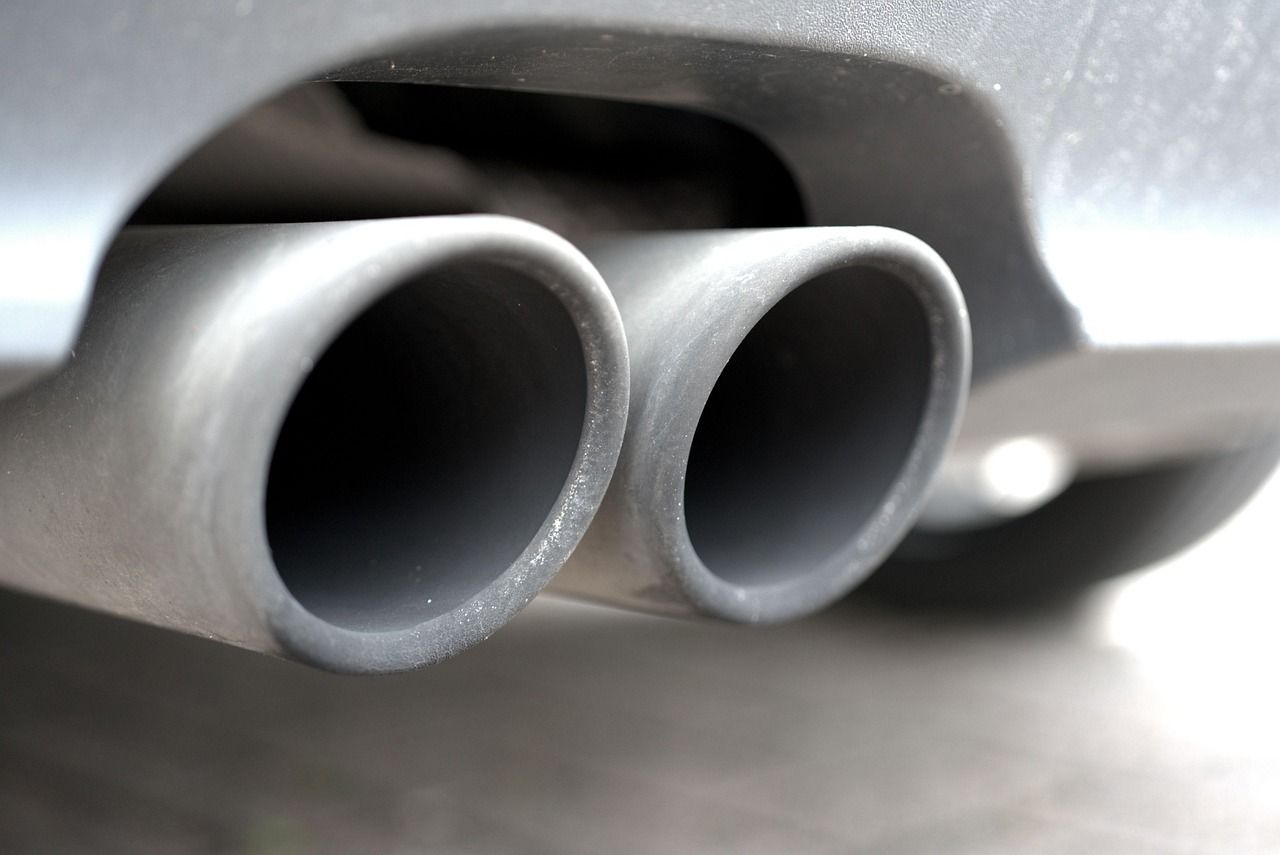
Representative image: webandi / Pixabay
MoRTH's amended rules, notified 13 November 2026, give new private BS-VI vehicles a three-year PUC certificate while older vehicles face shorter validity.
PUC Certificate: what happened
The Ministry of Road Transport and Highways (MoRTH) has changed how long a Pollution Under Control (PUC) certificate stays valid, linking it to a vehicle's age, emission standard and use. Under the Central Motor Vehicles (Sixteenth Amendment) Rules, 2026, notified on 13 November 2026 and made public on Thursday, 19 November, a private BS-VI vehicle up to six years old now needs a new PUC certificate only once every three years, instead of every year. Older vehicles face shorter validity, down to three months for BS-I, BS-II and BS-III models.
PUC Certificate: key facts
- Rule changed: Rule 115(7) of the Central Motor Vehicles Rules, 1989, through the Sixteenth Amendment Rules, 2026, which took effect on publication in the Gazette.
- Private (non-transport) BS-VI vehicles up to six years old: PUC valid for three years.
- BS-VI transport (commercial) vehicles up to six years old: PUC valid for two years.
- BS-VI vehicles more than six and up to 10 years old: renewal every year; older than 10 years: every six months.
- BS-IV vehicles: PUC valid for six months; BS-I, BS-II and BS-III vehicles: three months.
- Existing certificates: the new validity applies at the first renewal after the rules came into force, so owners do not need a fresh certificate immediately.
- Renewal timing: if a certificate is renewed within 10 days before it expires, the new one runs from the old expiry date; otherwise it runs from the date of renewal.
PUC Certificate: why it matters
A PUC certificate shows that a vehicle's exhaust is within the legal limits for pollutants. Driving without a valid one can bring a fine. Until now, most vehicles needed the test at fixed short intervals regardless of how new or clean they were. The new rules follow a simple idea: the newest vehicles, built to the strictest BS-VI emission standard (Bharat Stage VI), pollute least when young, so they can be tested less often, while older, dirtier vehicles are tested more often.
For owners of new cars and two-wheelers, this means fewer trips to testing centres and less paperwork in the first six years. For owners of older vehicles, especially those still running on BS-III or BS-IV engines, it means more frequent tests, which puts more pressure on badly maintained vehicles to be repaired or retired.
The change was first proposed in a draft notification in July 2026, which suggested three-year validity for private BS-VI vehicles up to six years old instead of the current one year. The final rules keep that and add separate periods for transport vehicles and older emission standards. For cities fighting winter smog, the aim is to concentrate testing where the pollution risk is highest.
Peepals calculation: Over the first six years, a private BS-VI vehicle that earlier needed a yearly test will now need two certificates instead of six (6 years ÷ 3), a cut of two-thirds. A BS-III vehicle, at three months per certificate, needs four tests a year (12 ÷ 3), and a BS-IV vehicle needs two (12 ÷ 6). Our calculation from the reported figures.
| Vehicle | Age | PUC validity |
|---|---|---|
| Private BS-VI | up to 6 years | 3 years |
| Transport BS-VI | up to 6 years | 2 years |
| Any BS-VI | over 6 to 10 years | 1 year |
| Any BS-VI | over 10 years | 6 months |
| BS-IV | any | 6 months |
| BS-I, BS-II, BS-III | any | 3 months |
PUC Certificate: impact
Short-term: Owners renewing a PUC certificate from now on get the new validity period at their next renewal. No one has to rush for a fresh test.
Long-term: Testing shifts towards older vehicles, which could push owners of BS-III and BS-IV vehicles to upgrade, while PUC centres see fewer visits from new vehicles.
Who is affected: All vehicle owners in India, PUC testing centres, transport operators with commercial fleets, and traffic police who check certificates.
PUC Certificate: key takeaway
Check your vehicle's emission standard and age on your registration certificate: that now decides whether your next PUC certificate lasts three years or only three months.
PUC Certificate: questions and answers
What is the new PUC certificate validity for BS-VI cars?
For private BS-VI vehicles up to six years old from first registration, a PUC certificate is now valid for three years. Between six and 10 years old it must be renewed every year, and after 10 years every six months.
Do I need to get a new PUC certificate now?
No. The new validity applies when you next renew your certificate after the amended rules took effect. Your current certificate stays valid until it expires.
What about older BS-III and BS-IV vehicles?
BS-IV vehicles get six-month PUC certificates, and BS-I, BS-II and BS-III vehicles get three-month certificates.
Does early renewal shorten my certificate?
Not if you renew within 10 days before expiry: the new certificate then starts from the old expiry date. Renewing earlier than that starts the new validity from the renewal date.
Disclaimer: Prepared by the Peepals newsroom from publicly available sources with AI assistance. Information is accurate to the best of our knowledge at the time of publication and may change. Images may be representative. Not professional advice. Report an error via our contact page.
By Meera Iyer, Governance & Policy EditorCovers Governance & Policy and more for Peepals Bharat. All stories by Meera Iyer
Bihar energy MoUs: Rs 1.72 lakh crore for nuclear plants, pumped storage
UGC advisory: check a university's approval before paying, after Supreme Court order
Your week ahead, every Sunday. Free.
Exam and result dates, IPOs opening, scheme deadlines, government holidays and the RBI decision for the next 7 days, plus the week's top stories. One email a week, unsubscribe in one click.
Meera Iyer is a pen name of the Peepals Global Editorial Team, which researches, fact-checks and publishes every story. The portrait is an illustration.
Responsible for this story: the Peepals Global Editorial Team, led by editor Prashant Sonar. How we report