
Harsha Kadam: Schaeffler India CEO taken into custody over factory deaths
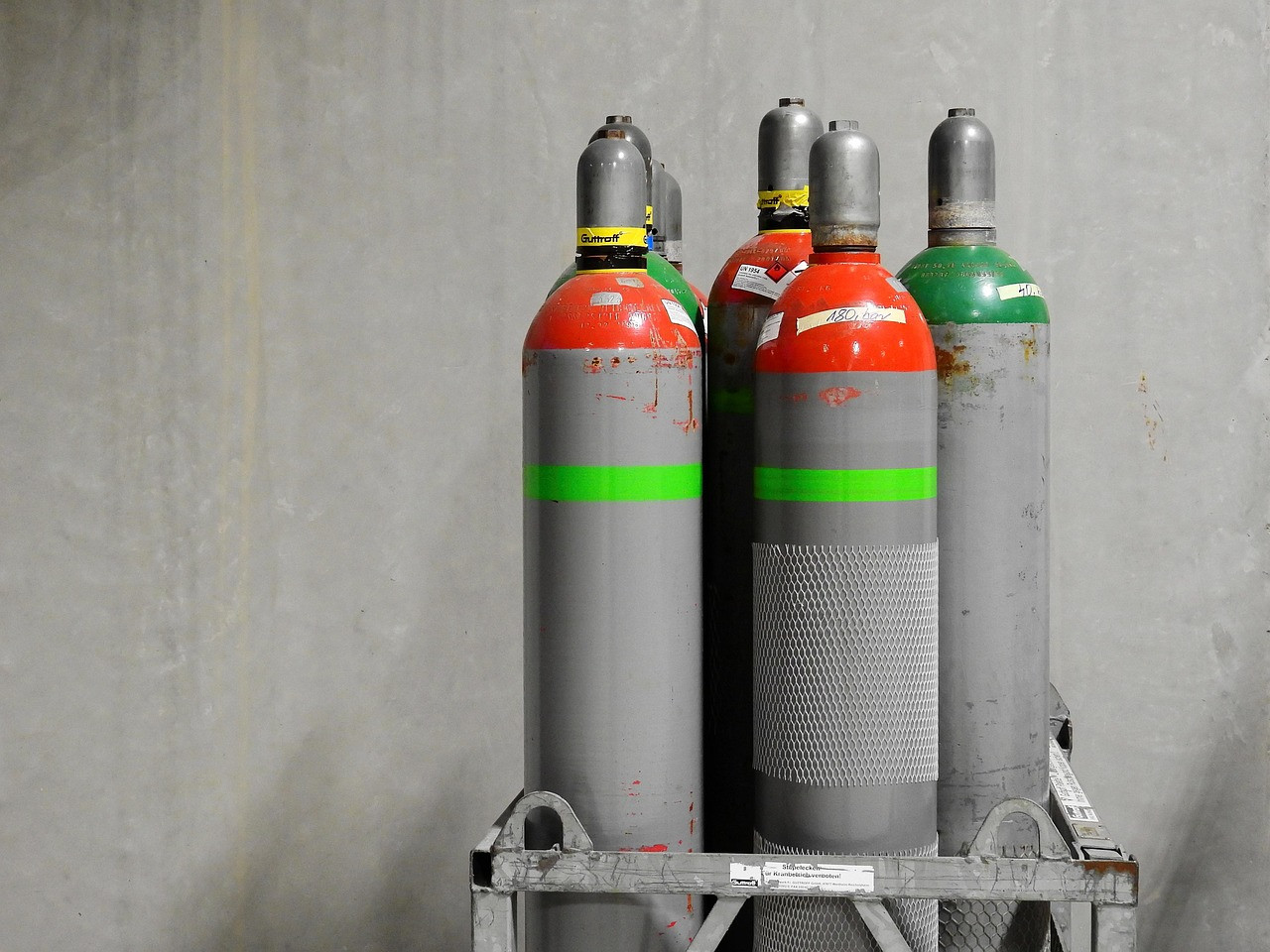
Representative image: Bru-nO / Pixabay
Pune police took Schaeffler India MD and CEO Harsha Kadam into custody on October 19, 2026, in the probe into two workers' deaths at its Talegaon plant in June.
What Happened
Harsha Kadam, the managing director and chief executive of Schaeffler India, was taken into custody by police at about 6:40 pm on Monday, October 19, 2026, in the investigation into the deaths of two workers at the company's factory at Talegaon near Pune. The company disclosed the action in a filing to the stock exchanges on Tuesday, October 20. The two workers, employed by a service provider of the company, died on June 9, 2026, after a sudden release of carbon dioxide gas while a gas cylinder was being replaced.
Key Facts
- Person in custody: Harsha Kadam, Managing Director and Chief Executive Officer of Schaeffler India Limited.
- Time and police unit: about 6:40 pm on October 19, 2026, by officers of the Talegaon MIDC police station, which comes under the Pimpri Chinchwad Police Commissionerate.
- Law cited: provisions of the Bharatiya Nyaya Sanhita, 2023, India's main criminal code since July 2024.
- The incident: on June 9, 2026, two workers of a company service provider died after a sudden carbon dioxide (CO2) discharge during a scheduled cylinder replacement at the plant.
- Why the MD: the company said the scope of the investigation had been widened to include the managing director because he is the "occupier" of the factory premises under applicable law.
- Company position: Schaeffler India said it has cooperated with the authorities, is assessing the situation with its legal advisers, and that business operations continue as normal.
- No court has ruled on the case; custody is a step in an investigation, not a finding of guilt.
Why It Matters
It is rare in India for the top executive of a large listed manufacturer to be taken into police custody over a workplace accident. Most factory death investigations stop at plant managers, supervisors or contractors. In this case the police have linked the probe to the head of the company through his legal role as the factory's "occupier", according to the company's own disclosure.
In Indian factory safety law, the occupier is the person who has ultimate control over the affairs of a factory. For a company, this is usually a named director, and that person carries legal responsibility for the safety of everyone working on the premises, including workers hired through contractors. The Schaeffler case shows that this responsibility is not only on paper: the police are using it to bring the senior-most officer into the investigation four months after the deaths.
The incident also draws attention to contract workers. Both of the men who died were employed by a service provider, not directly by Schaeffler India. Contract and outsourced workers are often the ones doing maintenance and utility jobs such as changing gas cylinders, and safety practice for them depends on both the factory and the contractor.
Carbon dioxide is widely used in factories, for example in fire-suppression systems, welding and cooling. It has no smell or colour, and in an enclosed space a sudden release can push out the oxygen people need to breathe. This is why gas handling usually needs ventilation, gas detectors and trained rescue cover.
For the company, the case is a governance test. Schaeffler India is listed on the Indian stock exchanges and is part of the German Schaeffler Group, which makes bearings and components for the automotive and industrial sectors. The disclosure was made under the listing rules that require companies to inform the exchanges of events that may affect them, such as action against a key managerial person.
Impact
Short-term: The company has told the exchanges that its business continues as normal and that it is working with legal advisers. The next steps in the case, such as production before a court and any bail application, will decide how long the custody lasts. Investors will watch for any further filings.
Long-term: The case may push manufacturers across Maharashtra and other industrial states to review who is named as occupier, how contract workers are trained, and how gas and other hazardous materials are handled. If the investigation leads to charges against the top executive, it could become a reference point for how far responsibility for workplace deaths reaches inside a company.
Who is affected: The families of the two workers who died; Schaeffler India's employees, contract workers and management; the company's shareholders; and factory owners and safety officers in industrial areas such as Talegaon MIDC, Chakan and Pimpri Chinchwad, who may face closer checks.
Key Takeaway
Police have brought Schaeffler India's MD and CEO into the probe of the June 9 CO2 leak deaths because he is legally the factory's occupier, and the company says it is cooperating while business continues.
Questions and Answers
Why was Harsha Kadam taken into custody?
Pune-area police took Schaeffler India's MD and CEO Harsha Kadam into custody on October 19, 2026, in the investigation into the deaths of two contract workers at the company's Talegaon factory on June 9, 2026. The company said the probe was widened to him because he is the factory's legal "occupier".
What happened at the Schaeffler factory in June?
On June 9, 2026, two workers employed by a service provider died after a sudden discharge of carbon dioxide gas during a scheduled cylinder replacement at the plant near Pune, according to the company.
What does "occupier" of a factory mean?
Under Indian factory safety law, the occupier is the person with ultimate control over a factory's affairs. For a company it is usually a director, who is legally responsible for the safety of everyone working there, including contract staff.
Has Schaeffler India stopped operations?
No. In its October 20 filing the company said business operations continue as normal, that it has cooperated with the authorities and that it is evaluating the situation with legal advisers.
Disclaimer: Prepared by the Peepals newsroom from publicly available sources with AI assistance. Information is accurate to the best of our knowledge at the time of publication and may change. Images may be representative. Not professional advice. Report an error via our contact page.
Sourced and fact-checked by the Peepals Global Editorial Team
Dharapuram, Madurantakam get Rs 1,439-crore water scheme, paddy hubs
Haier plans Rs 7,000 crore appliance plant at Satyavedu, Andhra Pradesh
Reported, fact-checked and published by the Peepals Global Editorial Team.