
AI bubble bursts in China: STAR50 index down 40%, $480 billion erased
 By Rohit SharmaMarkets Analyst, Peepals Business
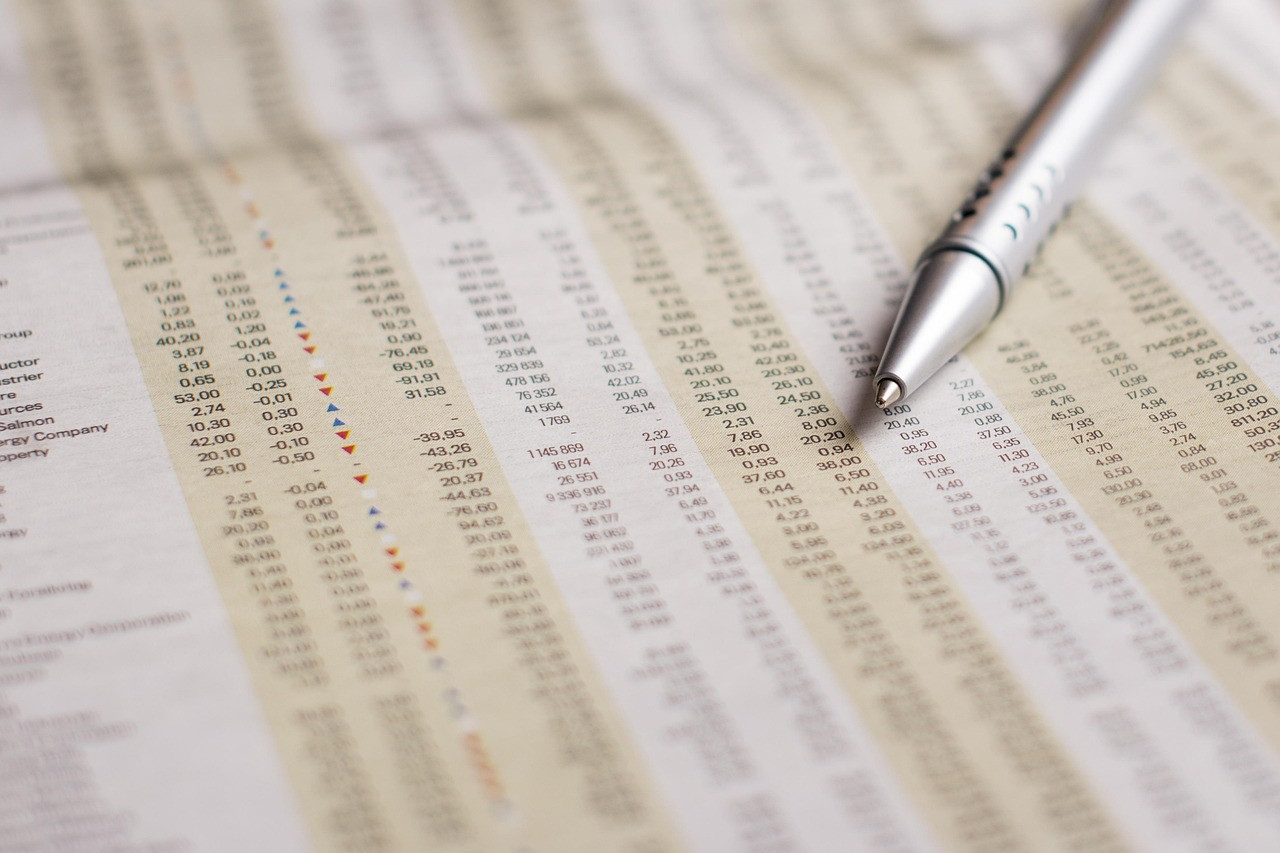
Representative image: steinarhovland / Pixabay
China's STAR50 index of AI and chip leaders has fallen nearly 40% from its July peak, wiping out about $480 billion, as state-backed funds step in to buy.
What Happened
China's stock market boom in artificial intelligence (AI) companies has turned into a steep fall. The STAR50 index, which tracks the biggest AI and semiconductor companies listed on Shanghai's STAR Market, has dropped nearly 40% from its July 2026 peak, erasing roughly $480 billion in market value, according to market data reported on October 27, 2026. The broader CSI 300 index of blue-chip Chinese shares is down about 20% from its June peak after ten straight weekly declines, which puts it in what investors call bear market territory. State-backed investors have been buying heavily to steady the market.
Key Facts
- STAR50 index: down nearly 40% from its July 2026 high.
- Value lost: about $480 billion.
- CSI 300: down about 20% from its June peak after ten consecutive weekly falls.
- Weight of AI in China's market: AI-linked stocks make up an estimated 42% of market capitalisation and 57% of trading turnover across mainland and Hong Kong-listed shares, according to Goldman Sachs estimates.
- State support: inflows into nine exchange-traded funds traded by state-backed investors reached 128.7 billion yuan (about $19 billion) in the latest week, according to Bloomberg data.
- Valuation: the STAR50 still trades at about 100 times trailing earnings, down from nearly 250 times, against about 30 times for the US Nasdaq 100.
Why It Matters
A stock market bubble is when share prices rise far faster than the profits of the companies behind them, driven by excitement rather than earnings. When confidence turns, prices can fall quickly. Investors around the world have been debating whether AI shares are in a bubble. The China selloff shows what a sharp correction looks like.
The scale matters because AI and chip stocks had become the centre of China's market. If they account for more than half of all trading, as the Goldman Sachs estimates suggest, a fall in these shares drags down the whole market, as the CSI 300's bear market shows. Reports point to no single trigger. They cite stretched valuations, looming tax bills for investors and companies, and the risk of tighter export controls on advanced chips and equipment.
The intervention by China's so-called "national team", the state-linked funds that buy shares in times of stress, signals that Beijing wants to prevent a disorderly crash. Even so, analysts quoted in reports warn that the selloff may not be over, because at about 100 times past earnings the STAR50 remains expensive by global standards. Earnings multiples measure how many years of current profits an investor is paying for; a multiple of 100 means paying for a century of today's profits.
For Indian investors, the episode is a reminder of three things. First, global money moves between markets, so a sharp fall in one large market can change how foreign funds allocate money across Asia. Second, the debate about an AI bubble is not only about the US; markets that rose fastest on AI hopes are the most exposed. Third, high valuations can fall a long way even without a single bad event. This story does not offer investment advice or predict where any market goes next.
| Measure | Latest | Reference point |
|---|---|---|
| STAR50 index | Down nearly 40% | From July 2026 peak |
| Value erased | About $480 billion | Since July peak |
| CSI 300 index | Down about 20% | From June 2026 peak |
| STAR50 valuation | About 100 times earnings | Nearly 250 at peak; Nasdaq 100 about 30 |
Impact
Short-term: Volatility in Chinese markets is likely to stay high while state-backed buying tries to put a floor under prices.
Long-term: The episode may cool investor appetite for AI shares priced on future promises, and could shape how companies in China and elsewhere raise money for AI projects.
Who is affected: Chinese retail and institutional investors, global funds with China exposure, AI and chip companies seeking capital, and investors elsewhere, including in India, watching for signs of a wider AI correction.
Key Takeaway
China's AI stock boom has unwound sharply, with the STAR50 down about 40% and $480 billion erased, even as state funds buy to steady the market.
Questions and Answers
Has the AI bubble burst in China?
China's STAR50 index of AI and chip leaders has fallen nearly 40% from its July 2026 peak, erasing about $480 billion in value, which reports describe as the bursting of an AI stock bubble.
What is the STAR50 index?
It tracks the 50 largest companies on Shanghai's STAR Market, a board for technology firms, many of them in AI and semiconductors.
What is China doing to stop the fall?
State-backed investors have poured money into exchange-traded funds, with inflows into nine such funds reaching 128.7 billion yuan, about $19 billion, in the latest week.
Does this mean the AI bubble will burst in the US too?
Not necessarily. Reports note China's AI shares were far more expensive, at about 100 times earnings even after the fall, than the Nasdaq 100 at about 30 times. No one can predict whether other markets will follow.
Disclaimer: Prepared by the Peepals newsroom from publicly available sources with AI assistance. Information is accurate to the best of our knowledge at the time of publication and may change. Images may be representative. Not professional advice. Report an error via our contact page.
By Rohit Sharma, Markets AnalystCovers Markets Watch and more for Peepals Business. All stories by Rohit Sharma
Defence start-up Paar Autonomy raises Rs 10 crore for drone cameras
Oracle unveils three AI agent apps for supply chains on Fusion Claw
Get the day's stories in your inbox
Peepals Weekly: the week decoded, free. One email a week, unsubscribe in one click.
Rohit Sharma is a pen name of the Peepals Global Editorial Team, which researches, fact-checks and publishes every story. The portrait is an illustration.