
US reopens Columbus border port to Mexican cattle under screwworm checks
 By Rohit SharmaMarkets Analyst, Peepals Business
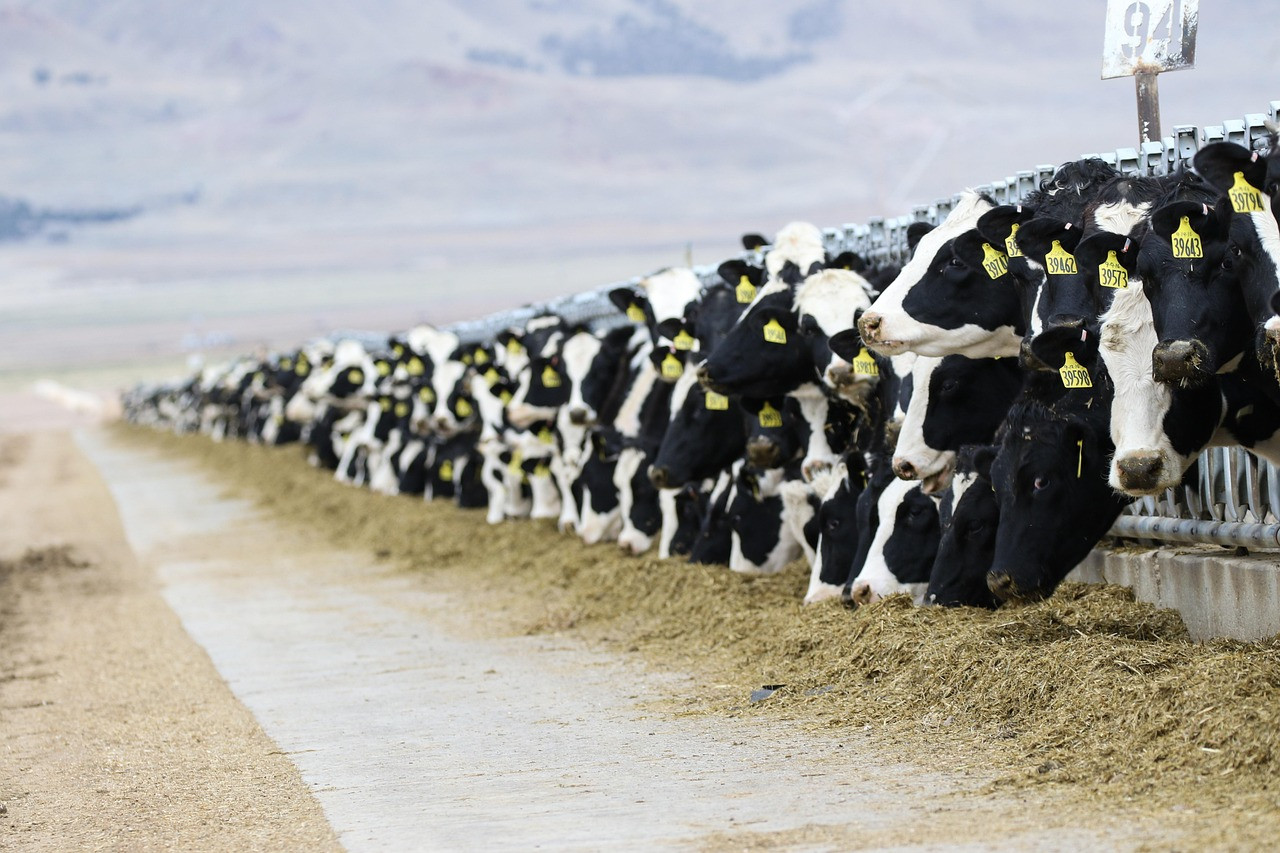
Representative image: alpineveg / Pixabay
The US reopened the Columbus, New Mexico, port to Mexican cattle on October 26, 2026, with new screwworm checks; 620 head crossed on day one.
What Happened
Cattle from Mexico crossed into the United States at Columbus, New Mexico, on Monday, October 26, 2026, the first time in nearly two years that the port had handled live cattle, according to local and national reports. The US Department of Agriculture (USDA) reopened the crossing under stricter rules meant to keep out the New World screwworm, a flesh-eating fly larva. On the first day, 620 head of cattle from the Mexican state of Chihuahua came through, the stockyard operator said, about half of a normal day's flow before the shutdown.
Key Facts
- Date: Columbus reopened to Mexican cattle on Monday, October 26, 2026.
- First-day volume: 620 head, against roughly 1,300 on a typical day before the closure, according to stockyard operator Gabriel Moreno.
- Order of reopening: Columbus is the third southern border crossing to resume under the USDA's phased plan, after Douglas in Arizona and Santa Teresa in New Mexico.
- Santa Teresa started slowly in September and was handling about 1,600 cattle a day last week, according to Border Report.
- New checks: animals are inspected, tested and treated in Mexico before they reach the border, and inspected again on the US side.
- Outbreak: more than 60 screwworm cases have been confirmed in Texas and New Mexico; on October 21 the USDA confirmed the first case in US wildlife, an elk in Pecos County, Texas.
Why It Matters
The New World screwworm is the larva of a fly that lays its eggs in open wounds on warm-blooded animals. The maggots feed on living flesh, and an untreated animal can die. The pest had been eradicated from the United States in the 1960s. Its spread north through Central America and Mexico led the United States to stop live cattle imports from Mexico, and its arrival in Texas and New Mexico this year has turned a trade question into a disease-control one.
The trade at stake is large. Columbus and Santa Teresa have historically handled about a third of the cattle the United States imports from Mexico, according to Border Report, which put the value of that trade at roughly $1 billion a year. Mexican ranchers in Chihuahua and nearby states raise young cattle that are sold across the border, fattened on US feedlots and slaughtered there. When the ports close, Mexican sellers lose a market and US feedlots lose a supply of animals.
The USDA has chosen to reopen one port at a time and to raise volumes only as the safeguards prove themselves. Officials have also said plainly that checks at the border cannot stop the pest alone, because adult flies can cross on their own. That is why ranchers, hunters and pet owners in the border states are being asked to watch for wounds with maggots in them and report them quickly.
| Port | State | Status as of October 26, 2026 |
|---|---|---|
| Douglas | Arizona | Reopened first under the phased plan |
| Santa Teresa | New Mexico | Resumed in September; about 1,600 head a day last week |
| Columbus | New Mexico | Reopened October 26; 620 head on day one |
For Indian readers, the episode is a clear case of how one animal disease can shut a cross-border livestock trade worth a billion dollars a year, and how long and costly the road back is. It also shows the method trading partners use when a pest crosses a border: closure first, then testing and treatment at the source, then a slow, staged return.
Impact
Short-term: Volumes at Columbus start well below normal. Stockyards, truckers and border brokers in southern New Mexico regain some business, but the extra testing and treatment add time and cost for each animal.
Long-term: How fast the flow returns to normal depends on whether the outbreak in Texas and New Mexico is contained. New cases near the border, such as the beef cow confirmed in Otero County, New Mexico, on October 21, could slow or reverse the reopening.
Who is affected: Cattle ranchers in northern Mexico, US feedlot operators, stockyard workers and transport firms on both sides of the border, and US buyers of beef.
Key Takeaway
The United States has reopened a third border crossing to Mexican cattle, but under tight screwworm checks and at about half the old daily volume, with the outbreak inside its own borders still growing.
Questions and Answers
When did the Columbus port reopen to Mexican cattle?
The port at Columbus, New Mexico, reopened to Mexican cattle on Monday, October 26, 2026. It was the first time in nearly two years that cattle crossed there, and 620 head came through on the first day.
What is the New World screwworm?
It is the larva of a fly that lays eggs in open wounds on animals. The maggots eat living tissue and can kill an animal if the wound is not treated. Pets can be infested too, which is why pet owners in the border states are asked to watch for it.
Why are Mexican cattle imports being reopened slowly?
The USDA is reopening one port at a time with tests, treatments and two rounds of inspection, and it says volumes will rise only as these safeguards prove they work. Columbus follows Douglas in Arizona and Santa Teresa in New Mexico.
Has the screwworm reached the United States?
Yes. More than 60 cases have been confirmed in Texas and New Mexico, and on October 21, 2026 the USDA confirmed the first case in US wildlife, an elk on a game ranch in Pecos County, Texas.
Disclaimer: Prepared by the Peepals newsroom from publicly available sources with AI assistance. Information is accurate to the best of our knowledge at the time of publication and may change. Images may be representative. Not professional advice. Report an error via our contact page.
By Rohit Sharma, Markets AnalystCovers Markets Watch and more for Peepals Business. All stories by Rohit Sharma
Unicommerce earns Rs 6.4 crore in September quarter as AI spending bites
Wealth tax vote: California's Prop 40 billionaire levy faces voters on November 3
Get the day's stories in your inbox
Peepals Weekly: the week decoded, free. One email a week, unsubscribe in one click.
Rohit Sharma is a pen name of the Peepals Global Editorial Team, which researches, fact-checks and publishes every story. The portrait is an illustration.