

Kerala approves India's first cooperative-sector airline, plans Kochi flights
 By Arjun MehtaSenior Business Editor, Peepals Business
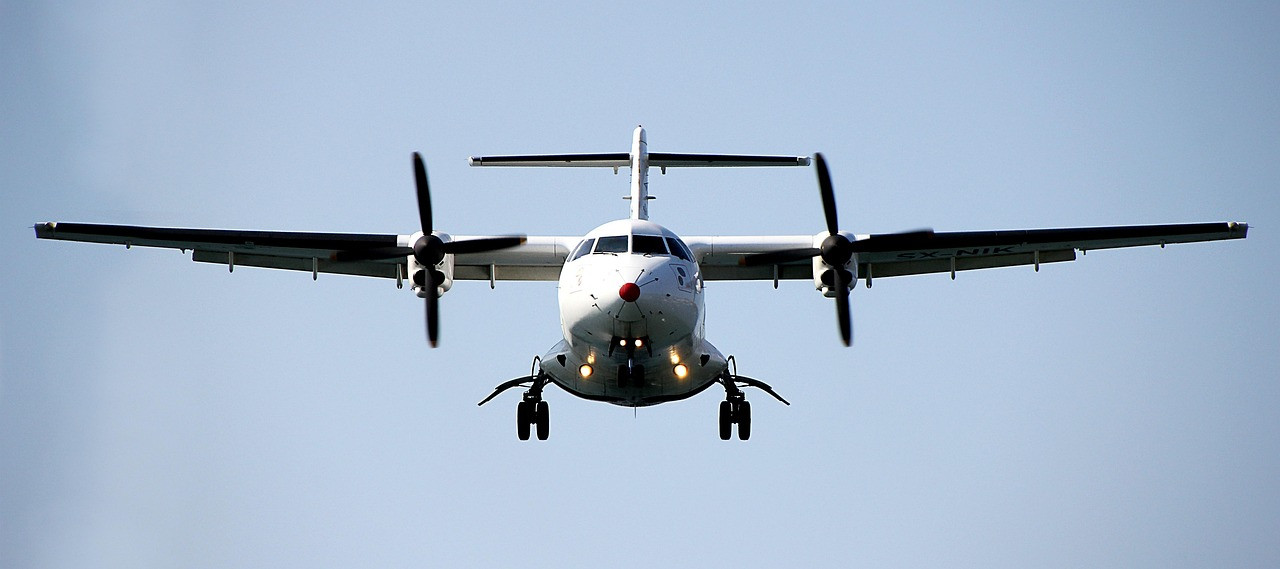
Representative image: GregMontani / Pixabay
Kerala approved a cooperative society's plan to run flights, announced October 26, 2026; the CM also promised a state guarantee on cooperative deposits.
What Happened
The Kerala government has approved a plan by the Kerala Civil Aviation Development Cooperative Society to run passenger flights, a move reported as the first time a cooperative-sector airline has been cleared in India. Chief Minister V. D. Satheesan announced the decision on Monday, October 26, 2026, at the silver jubilee function of the Calicut City Service Cooperative Society in Kozhikode. The government declaration giving the approval is dated Sunday, October 25. At the same event, the Chief Minister said the state would guarantee deposits held in cooperative institutions.
Key Facts
- Decision: the state approved the Kerala Civil Aviation Development Cooperative Society's proposal to operate flight services; the declaration is dated October 25, 2026 and was announced on October 26.
- Leader: the project is led by C. N. Vijayakrishnan, chairman of the MVR Cancer Centre.
- Working names: the airline has been referred to tentatively as Co-Keralam and Co-Air.
- Fleet plan: operations are proposed from Kochi with two leased aircraft of 72 seats each.
- Proposed network: Kochi linked with Kozhikode, Kannur, Bengaluru, Mangaluru, Chennai, Coimbatore and Madurai.
- Funding model: the original proposal envisaged about 200 cooperative societies each putting in Rs 2 crore, which would add up to about Rs 400 crore.
- Still pending: no launch date, final fleet, fares or aviation regulatory clearance had been announced.
Why It Matters
Cooperatives in India are best known in fields such as dairy and rural credit. An airline is a very different business: aircraft are expensive to lease, fuel and maintenance costs are high, and seats must be filled every day for the numbers to work. The Kerala plan tests whether member-owned institutions can pool their savings to enter a capital-heavy sector that has so far been the domain of private companies and the state. If it works, it could become a model other states and cooperative groups study. If it struggles, the losses would fall on the member societies that put money in.
The funding design is the key point for readers who follow the cooperative economy. Instead of one large investor, the plan spreads the cost across roughly 200 societies at Rs 2 crore each, according to the proposal as reported. That lowers the risk for each society but means many local institutions, and the members whose deposits sit with them, have a stake in the venture. This is why the Chief Minister's remarks on deposits, made at the same event, matter. He said depositors in cooperatives should get the same assurance as those who keep money in nationalised and scheduled banks, and that the government would guarantee cooperative deposits. He also warned against misuse of public deposits. The reports did not say how such a guarantee would work, how much it would cover or how it would be funded.
The route plan points to the kind of travel the airline hopes to serve: short hops between Kerala's own airports at Kochi, Kozhikode and Kannur, and links to nearby cities in Karnataka and Tamil Nadu. Small 72-seat aircraft are suited to such routes, where demand may be steady but not large enough for bigger jets.
| Item | What is planned | Status |
|---|---|---|
| Base | Kochi | Proposed |
| Aircraft | Two leased 72-seat planes | Proposed |
| Routes | Kozhikode, Kannur, Bengaluru, Mangaluru, Chennai, Coimbatore, Madurai | Proposed |
| Funding | About 200 societies at Rs 2 crore each | Original proposal |
| Clearances | Aviation regulator approval | Not yet reported |
Impact
Short-term: The state's approval lets the society move to the next steps, such as firming up finance, choosing aircraft and seeking the clearances an airline needs before it can sell tickets. Nothing changes for travellers yet, since no flights have been scheduled.
Long-term: If the airline takes off, it could add regional connections in south India and give Kerala's cooperative sector a new kind of business. It would also show whether pooled cooperative capital can support a high-cost venture. A clear framework for the promised deposit guarantee would shape how much confidence members place in cooperatives that invest.
Who is affected: Member cooperative societies that may invest, their depositors, travellers between Kerala and nearby southern cities, airport operators at Kochi, Kozhikode and Kannur, and the state government, which has promised a deposit guarantee.
Key Takeaway
Kerala has cleared the way for a cooperative-owned airline that plans to fly two 72-seat planes from Kochi, but the venture still needs funding, aircraft and regulatory approval before any flight takes off.
Questions and Answers
What did the Kerala government approve on October 26, 2026?
It approved the Kerala Civil Aviation Development Cooperative Society's plan to run flight services. Chief Minister V. D. Satheesan announced it in Kozhikode on October 26, 2026, under a declaration dated October 25. It is described as India's first cooperative-sector airline.
Where will the cooperative airline fly?
The proposal is to operate from Kochi with two leased 72-seat aircraft, connecting Kochi with Kozhikode, Kannur, Bengaluru, Mangaluru, Chennai, Coimbatore and Madurai. These are plans, not a published schedule.
How will the airline be funded?
The original proposal envisaged about 200 cooperative societies each investing Rs 2 crore, or about Rs 400 crore in all. Final financing details had not been announced.
When will flights start?
No date has been given. Reports noted that the launch schedule, fleet, routes, financing and regulatory clearances were still awaited, so the state's approval does not mean the airline can start flying yet.
Disclaimer: Prepared by the Peepals newsroom from publicly available sources with AI assistance. Information is accurate to the best of our knowledge at the time of publication and may change. Images may be representative. Not professional advice. Report an error via our contact page.
By Arjun Mehta, Senior Business EditorCovers Start-ups & Opportunities and more for Peepals Business. All stories by Arjun Mehta
Mankind Pharma shares gain as Q2 profit jumps 38%
Unicommerce earns Rs 6.4 crore in September quarter as AI spending bites
Get the day's stories in your inbox
Peepals Weekly: the week decoded, free. One email a week, unsubscribe in one click.
Arjun Mehta is a pen name of the Peepals Global Editorial Team, which researches, fact-checks and publishes every story. The portrait is an illustration.