
Defence start-up Paar Autonomy raises Rs 10 crore for drone cameras
 By Arjun MehtaSenior Business Editor, Peepals Business
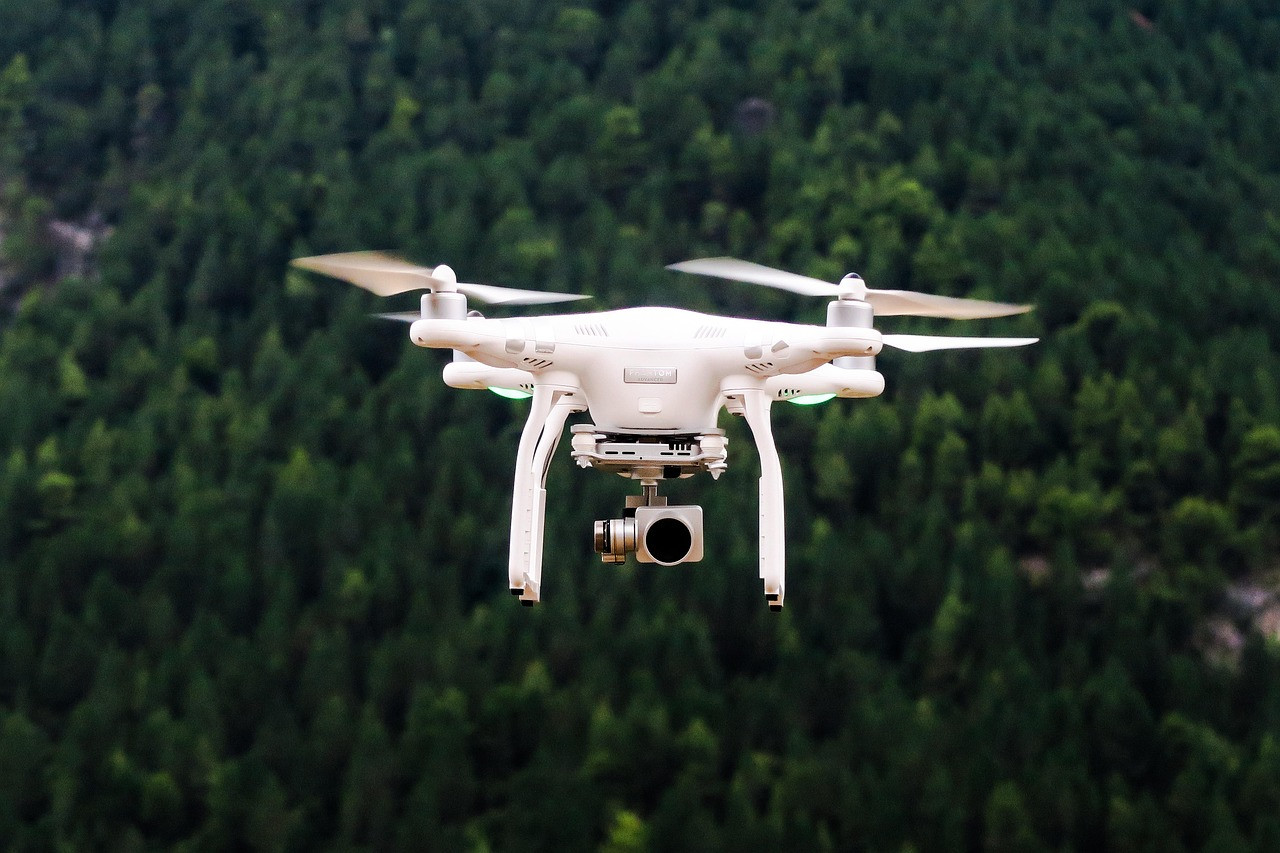
Representative image: Pexels / Pixabay
Bengaluru's Paar Autonomy raised Rs 10 crore led by AdvantEdge Founders to scale AI camera systems and GPS-free navigation for drones, rovers and boats.
What Happened
Paar Autonomy, a defence technology start-up based in Bengaluru, has raised Rs 10 crore in a funding round led by AdvantEdge Founders, according to reports of the deal published on October 25 and 26, 2026. The company builds camera systems and artificial intelligence (AI) software for drones and other unmanned machines. It said it will use the money to scale up production of its AI-powered cameras and to develop navigation technology that lets drones fly without GPS signals.
Key Facts
- Amount: Rs 10 crore, led by AdvantEdge Founders.
- Company: Paar Autonomy, Bengaluru, founded in June 2024 by Vignesh Sivaram Jayaraman.
- Products: gyro-stabilised, multi-sensor gimbal cameras and AI software for drones, rovers and boats.
- Focus: equipment that works where GPS is unavailable and radio links are jammed or contested.
- Use of funds: scaling production of its AI camera systems and building GPS-independent navigation for drones.
- Earlier funding: a Rs 3.5 crore pre-seed round led by Venture Catalysts in September 2025.
Why It Matters
The round is small by the standards of India's start-up market, but it sits in one of the areas investors are watching most closely: defence and security hardware built in India. Drones have become central to modern conflict, and a drone is only as useful as what it can see and how reliably it can find its way. Paar Autonomy is working on both of those problems.
The first is the camera. A gimbal is a motorised mount that keeps a camera steady while the machine carrying it moves, tilts or vibrates. Gyro-stabilised means it uses gyroscopes, small sensors that detect rotation, to cancel out that movement. Multi-sensor means the unit carries more than one kind of sensor, for example a normal day camera together with a thermal camera that sees heat at night. The AI software on top is meant to help the machine spot and track objects without a person watching every frame.
The second is navigation. Most drones rely on satellite positioning such as GPS to know where they are. In a conflict, those signals can be jammed, blocked or faked, a practice called spoofing, and the drone can lose its way or crash. Technology that lets a drone keep flying by recognising what its cameras see, rather than depending on satellites, is described in the industry as GPS-denied or GPS-free navigation. Paar Autonomy says it is building this kind of system and that its products are designed for environments where communications are contested, meaning radio links may be cut or interfered with.
The company is still young. It was founded in June 2024 and raised its first Rs 3.5 crore in September 2025. One funding-tracker profile of the company lists different figures for its earlier round, a reminder that early-stage deal data in India is not always consistent. With the new round, its reported funding comes to Rs 13.5 crore.
| Paar Autonomy funding | Amount | Lead investor |
|---|---|---|
| September 2025, pre-seed | Rs 3.5 crore | Venture Catalysts |
| October 2026 | Rs 10 crore | AdvantEdge Founders |
Impact
Short-term: The money lets Paar Autonomy move from building small numbers of units towards regular production of its camera systems, and to keep developing its navigation software. That usually means hiring engineers and setting up supply lines for components.
Long-term: If its products prove themselves in testing and win orders, the company could become one of a growing set of Indian suppliers of sensors and autonomy software for unmanned systems. That would reduce reliance on imported cameras and navigation parts in a sensitive field. Defence sales cycles are long, however, and young hardware firms need several rounds of funding before revenue becomes steady.
Who is affected: The company's founder and staff; its investors; Indian makers of drones, rovers and unmanned boats that need cameras and navigation systems; and buyers in defence and security looking for Indian-made equipment.
What it means for founders and investors: The deal shows that early-stage money is available for Indian hardware start-ups that solve a narrow, hard technical problem in defence. For founders in this space, it suggests investors will back a clear product with a defined use before large revenue arrives. For investors, defence deep tech carries long timelines and depends on testing and government orders. This is not investment advice.
Key Takeaway
Paar Autonomy's Rs 10 crore round, led by AdvantEdge Founders, funds production of AI drone cameras and GPS-free navigation, two problems at the heart of modern unmanned systems.
Questions and Answers
How much did Paar Autonomy raise and who led the round?
Paar Autonomy raised Rs 10 crore in a round led by AdvantEdge Founders, reported on October 25 and 26, 2026. It had earlier raised Rs 3.5 crore in a pre-seed round led by Venture Catalysts in September 2025.
What does Paar Autonomy make?
The Bengaluru company, founded in June 2024, makes stabilised multi-sensor gimbal cameras and AI software for drones, rovers and boats, designed to work where GPS is not available and radio links are contested.
What is GPS-free navigation for drones?
It is technology that lets a drone keep track of its position and route without satellite signals, for example by using its cameras and sensors. It matters because GPS signals can be jammed or faked in conflict zones.
What will the new funding be used for?
Paar Autonomy plans to use the money to scale production of its AI-powered camera systems and to develop GPS-independent navigation technology for drones.
Disclaimer: Prepared by the Peepals newsroom from publicly available sources with AI assistance. Information is accurate to the best of our knowledge at the time of publication and may change. Images may be representative. Not professional advice. Report an error via our contact page.
By Arjun Mehta, Senior Business EditorCovers Start-ups & Opportunities and more for Peepals Business. All stories by Arjun Mehta
Cyclone Arnab: Odisha, Andhra tell farmers to harvest mature paddy, secure grain
AI bubble bursts in China: STAR50 index down 40%, $480 billion erased
Get the day's stories in your inbox
Peepals Weekly: the week decoded, free. One email a week, unsubscribe in one click.
Arjun Mehta is a pen name of the Peepals Global Editorial Team, which researches, fact-checks and publishes every story. The portrait is an illustration.