
ArrayPatch raises €3.2 million for GLP-1 microneedle skin patch
 By Arjun MehtaSenior Business Editor, Peepals Business
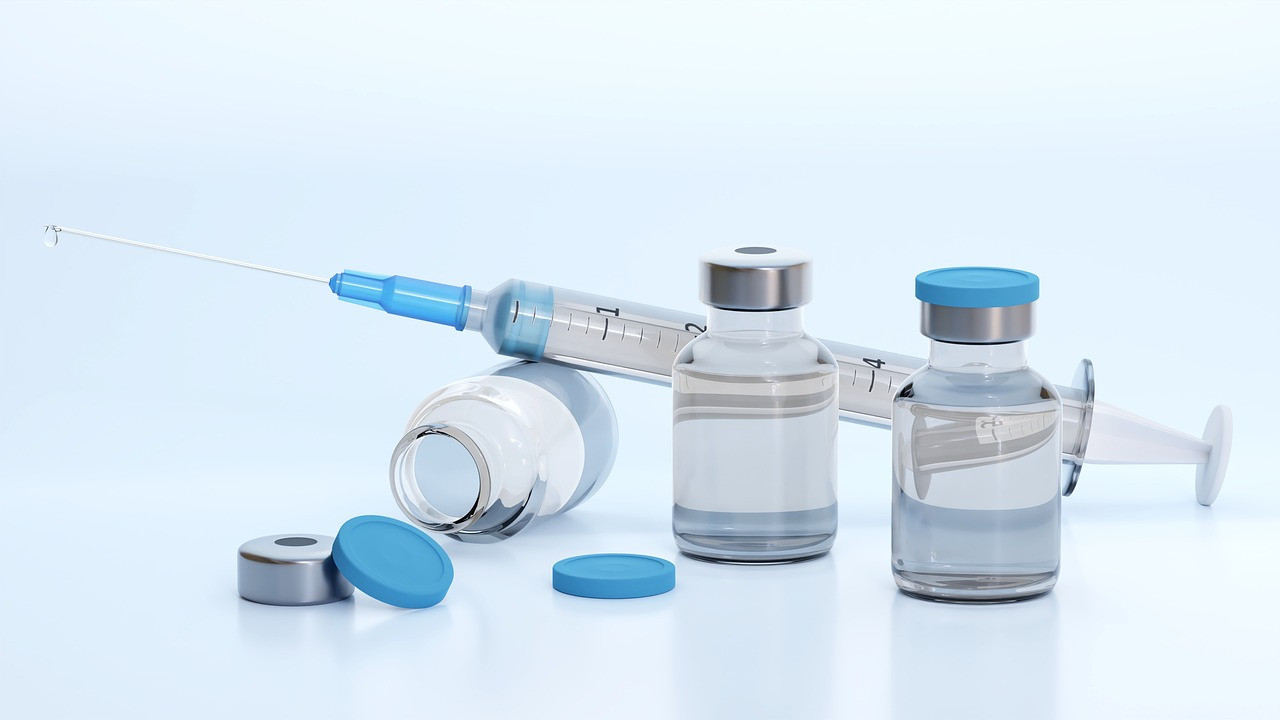
Representative image: MasterTux / Pixabay
Irish start-up ArrayPatch closed an oversubscribed €3.2 million seed round on 5 November 2026 to take drug-made microneedle patches, led by a GLP-1 patch, to human trials.
What Happened
ArrayPatch, a biotech start-up spun out of University College Cork (UCC) in Ireland, said on Thursday, 5 November 2026 that it has completed an oversubscribed seed funding round of €3.2 million. The company is developing skin patches covered in tiny, dissolving needles made of the medicine itself, and its lead programme aims to deliver GLP-1 drugs, the class of medicines used for obesity and type 2 diabetes, through a patch instead of an injection. A second close added €1.6 million to the €1.6 million raised in the first close earlier this year.
Key Facts
- Company: ArrayPatch, a 2024 spin-out from University College Cork, Ireland, founded by formulation scientist Dr Waleed Faisal.
- Round: seed financing of €3.2 million, described by the company as oversubscribed, completed with a second close announced on Thursday, 5 November 2026.
- First close: €1.6 million, led by Lakeside Capital, announced in February 2026 against a €3 million target.
- Other investors named: Enterprise Ireland, The Boole Investment Syndicate, EAF and DeepIE Ventures.
- Programmes: GLP-DerMap for obesity and diabetes, VIS-DerMap for basal cell carcinoma (a common skin cancer), and ITZ-DerMap for nail fungus.
- Use of funds: to move its programmes towards first-in-human studies, the company said.
Why It Matters
A microneedle patch is a small sticker whose underside carries hundreds of very short needles. They pierce only the outer layer of the skin and, in ArrayPatch's design, release a drug as they dissolve. The company says its needles are polymer-free, meaning they have no plastic-like carrier material, and are made of the medicine itself. These are the company's claims; the patches have not yet been tested in people.
The GLP-1 focus is the headline. GLP-1 medicines are used for weight loss and type 2 diabetes, and ArrayPatch's aim is to replace an injection with a patch, which would be simpler for patients if it worked as well. Whether ArrayPatch's approach can deliver enough of these large, complex molecules through the skin is exactly what its upcoming studies will need to show.
The company's other two programmes target the skin directly. Basal cell carcinoma grows in the skin, and nail fungus sits under the nail, so a patch that delivers medicine at the spot could, if proven, reduce the need for surgery or long courses of tablets. Again, these are aims, not results.
For founders and investors, the round is a typical example of a university spin-out path: lab research at UCC, a company formed in 2024, a seed round led by a private investor with the state agency Enterprise Ireland and angel syndicates joining, and the money tied to reaching first studies in people. For Indian founders and university incubators building health-tech, it shows how a seed round can be tied to one clear milestone: the first study in people.
Peepals calculation: ArrayPatch set out to raise €3 million and ended with €3.2 million, about €0.2 million or roughly 6.7% more than its target (0.2 ÷ 3 ≈ 0.067). The two closes were equal: €1.6 million each (1.6 + 1.6 = 3.2), so the second close doubled the money raised at the first. Our calculation from the reported figures.
| Stage | Amount | Timing |
|---|---|---|
| First close | €1.6 million (led by Lakeside Capital) | February 2026 |
| Second close | €1.6 million | Announced 5 November 2026 |
| Total seed round | €3.2 million (target €3 million) | Completed November 2026 |
Impact
Short-term: ArrayPatch has the money to carry its patch programmes towards first-in-human studies, starting with the GLP-1 obesity and diabetes patch and the basal cell carcinoma patch.
Long-term: If the patches prove safe and effective in human trials, which will take years and is not certain, they could offer a needle-free way to take some drugs that are now injected. If they do not, the round will have funded the test of an idea that many drug-delivery companies are chasing.
Who is affected: People living with obesity, type 2 diabetes, basal cell carcinoma or nail fungus who may one day benefit if the products succeed; drug-delivery researchers; university spin-outs and early-stage health-tech investors.
Key Takeaway
Cork start-up ArrayPatch closed a €3.2 million seed round on 5 November 2026 to take its dissolving, drug-made microneedle patches, led by a GLP-1 obesity and diabetes patch, towards first human studies.
Questions and Answers
How much did ArrayPatch raise and who invested?
€3.2 million in an oversubscribed seed round, completed with a second close announced on 5 November 2026. Lakeside Capital led the first close, and Enterprise Ireland, The Boole Investment Syndicate, EAF and DeepIE Ventures also invested.
What is the ArrayPatch GLP-1 microneedle patch?
It is a skin patch with tiny needles made of the drug itself, without a polymer, designed to deliver GLP-1 medicines used for obesity and diabetes. It is still in development and has not yet been tested in people.
Can I buy a GLP-1 patch now?
No. ArrayPatch's patches are in development and the new money is meant to take them towards first-in-human studies. GLP-1 medicines should only be used as prescribed by a doctor.
Where does ArrayPatch come from?
It was spun out of University College Cork in Ireland in 2024 and was founded by Dr Waleed Faisal, a formulation scientist who earned his PhD at the university.
Disclaimer: Prepared by the Peepals newsroom from publicly available sources with AI assistance. Information is accurate to the best of our knowledge at the time of publication and may change. Images may be representative. Not professional advice. Report an error via our contact page.
By Arjun Mehta, Senior Business EditorCovers Start-ups & Opportunities and more for Peepals Business. All stories by Arjun Mehta
Get the day's stories in your inbox
Peepals Weekly: the week decoded, free. One email a week, unsubscribe in one click.
Arjun Mehta is a pen name of the Peepals Global Editorial Team, which researches, fact-checks and publishes every story. The portrait is an illustration.