
FAO Food Price Index falls 1.2% in October; sugar hits 22-month high
 By Rohit SharmaMarkets Analyst, Peepals Business
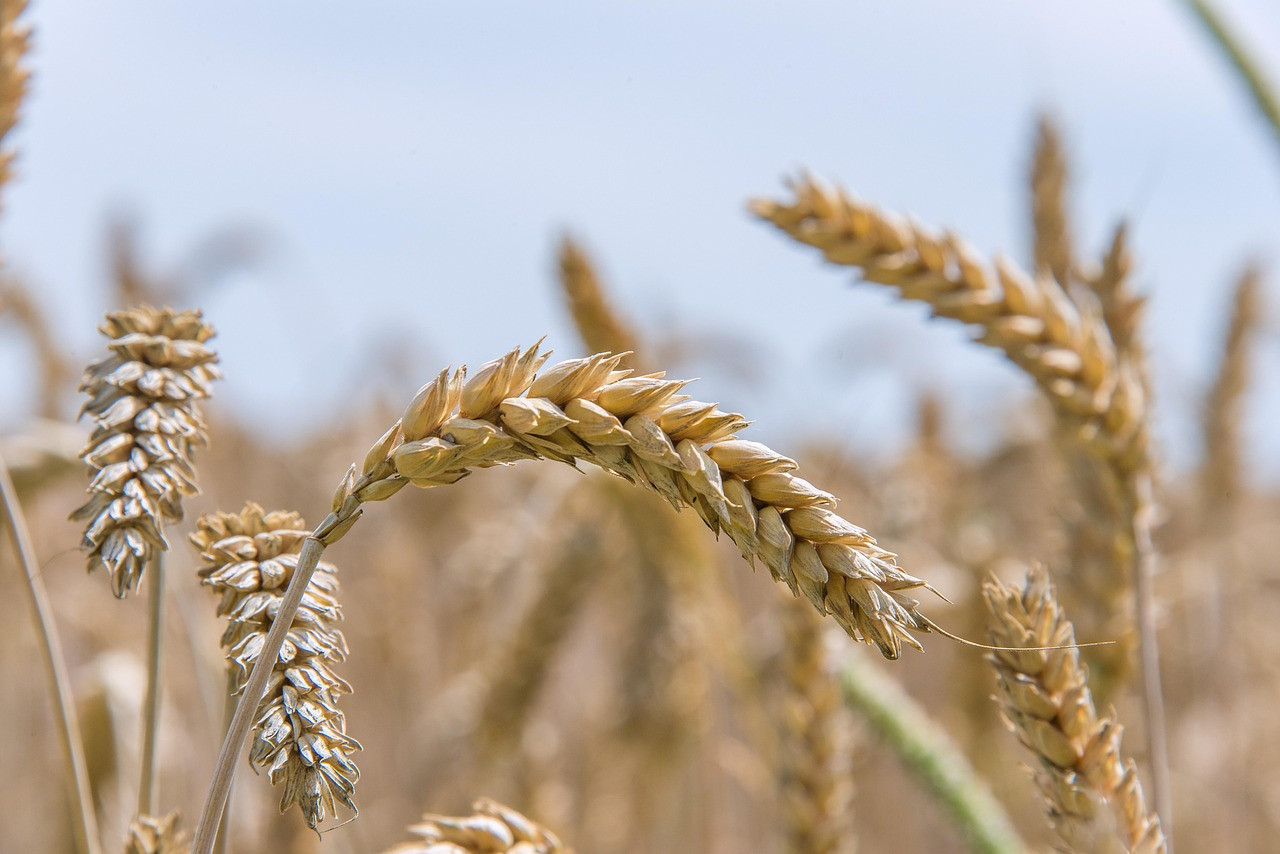
Representative image: donauwood_de / Pixabay
The FAO Food Price Index fell 1.2% to 133.9 points in October 2026 as cereals eased, while sugar rose 6.6% to its highest since December 2024, FAO said on 6 November.
What Happened
The FAO Food Price Index, the UN food agency's monthly measure of world food commodity prices, fell 1.2% in October 2026, the Food and Agriculture Organization (FAO) said on Friday, 6 November 2026. The index averaged 133.9 points, down 1.6 points from its revised September level, as cereal, dairy and meat prices eased. Sugar went the other way: its index jumped 6.6% to its highest level since December 2024, and rice and vegetable oil prices also rose slightly.
Key Facts
- Released: Friday, 6 November 2026, by the Food and Agriculture Organization of the United Nations, covering October 2026.
- Overall index: 133.9 points, down 1.6 points or 1.2% from September, but still about 6% higher than a year earlier.
- Cereals: down 4.5% from September; maize eased after reaching a three-year high in September as the US harvest arrived, and wheat prices also fell.
- Sugar: up 6.6% to 121.3 points, the fourth monthly rise in a row and the highest level since December 2024.
- Rice: international prices up 1.6%, supported by harvest delays, bad weather and higher production costs in some exporting countries, according to FAO.
- Vegetable oils: up 0.3%; soybean oil reached its highest level since late 2022 on strong biofuel demand and seasonally lower South American supplies, while palm oil was largely unchanged.
- Dairy: down 1.1%, mainly on lower butter and cheese prices. Meat: down 1.2%, though still slightly above last year's level.
Why It Matters
The FAO index tracks the international prices of a basket of food commodities: cereals, vegetable oils, dairy, meat and sugar. It is not a shop-shelf price, but it shows where the world's traded food is heading, and those prices feed into what importers pay, what exporters earn and, over time, what households spend.
Cereals led October's fall. FAO linked the drop in maize to the arrival of the US harvest after September's three-year high, and wheat also eased. Lower grain prices tend to help countries and businesses that buy feed and flour, from poultry farms to bakeries.
Sugar is the outlier. A fourth straight monthly increase has taken the sugar index to a level not seen since December 2024. For sugar-producing regions, firmer world prices can improve export earnings and the returns mills can pay to cane growers; for sweet makers and drinks companies, they mean costlier raw material. Rice, a staple across Asia, rose 1.6% on harvest delays, weather and costs in some exporting countries.
The steady rise in soybean oil is linked by FAO to demand from biofuels, fuels made from plant oils that compete with the kitchen for the same supply. Palm oil was largely unchanged in October.
For Indian readers, these world prices matter because India both buys and sells food on international markets: global edible oil prices shape what importers pay, while world sugar and rice prices shape what exporters can earn. The index itself does not say how much of October's change will reach Indian markets or when.
Peepals calculation: Sugar's 6.6% rise to 121.3 points means the sugar index stood at about 113.8 points in September (121.3 ÷ 1.066 ≈ 113.8), a gain of about 7.5 points in a single month, while the overall index lost 1.6 points. And with October's 133.9 about 6% above a year earlier, the October 2025 level works out to roughly 126 points (133.9 ÷ 1.06 ≈ 126.3). Our calculation from the reported figures.
| Group | Change in October 2026 |
|---|---|
| Overall index | -1.2% (133.9 points) |
| Cereals | -4.5% |
| Sugar | +6.6% (121.3 points) |
| Rice | +1.6% |
| Vegetable oils | +0.3% |
| Dairy | -1.1% |
| Meat | -1.2% |
Impact
Short-term: Buyers of grains, such as feed makers, flour mills and food processors, see some relief from lower cereal prices, while sugar users face higher costs and sugar sellers a stronger market.
Long-term: Whether October's easing lasts depends on harvests and weather. Sugar has now risen for four months in a row, and FAO's own explanation for rice points to weather and cost pressures in exporting countries.
Who is affected: Farmers and traders of cereals, sugar cane, rice and oilseeds; food processors, sweet makers and edible oil importers; and households, as world prices pass slowly into retail food costs.
What to watch next: FAO publishes the next index, covering November 2026, early next month.
Key Takeaway
World food commodity prices fell 1.2% in October 2026 to 133.9 points as cereals, dairy and meat eased, but sugar rose 6.6% to its highest level since December 2024.
Questions and Answers
What did the FAO Food Price Index show for October 2026?
It averaged 133.9 points, down 1.6 points or 1.2% from September, but about 6% above a year earlier. Cereals, dairy and meat fell, while sugar, rice and vegetable oils rose.
Why did sugar prices rise in October 2026?
FAO's sugar index rose 6.6% to 121.3 points, its fourth monthly gain in a row and highest level since December 2024. FAO's September release had pointed to prospects of tighter global sugar supplies in the 2026/27 season.
Why did world cereal prices fall?
The cereal index dropped 4.5%. Maize eased after a three-year high in September as the US harvest came in, and wheat prices also declined.
Does the FAO index show retail food prices in India?
No. It measures international prices of traded food commodities. Changes can affect what importers pay and exporters earn, but the index does not show shop prices in India or how quickly world changes reach them.
Disclaimer: Prepared by the Peepals newsroom from publicly available sources with AI assistance. Information is accurate to the best of our knowledge at the time of publication and may change. Images may be representative. Not professional advice. Report an error via our contact page.
By Rohit Sharma, Markets AnalystCovers Markets Watch and more for Peepals Business. All stories by Rohit Sharma
Bosch share price slips as board clears 1:5 split, 3:1 bonus
ArrayPatch raises €3.2 million for GLP-1 microneedle skin patch
Get the day's stories in your inbox
Peepals Weekly: the week decoded, free. One email a week, unsubscribe in one click.
Rohit Sharma is a pen name of the Peepals Global Editorial Team, which researches, fact-checks and publishes every story. The portrait is an illustration.