
altM gets $10.3 million to turn crop waste into industrial chemicals
 By Arjun MehtaSenior Business Editor, Peepals Business
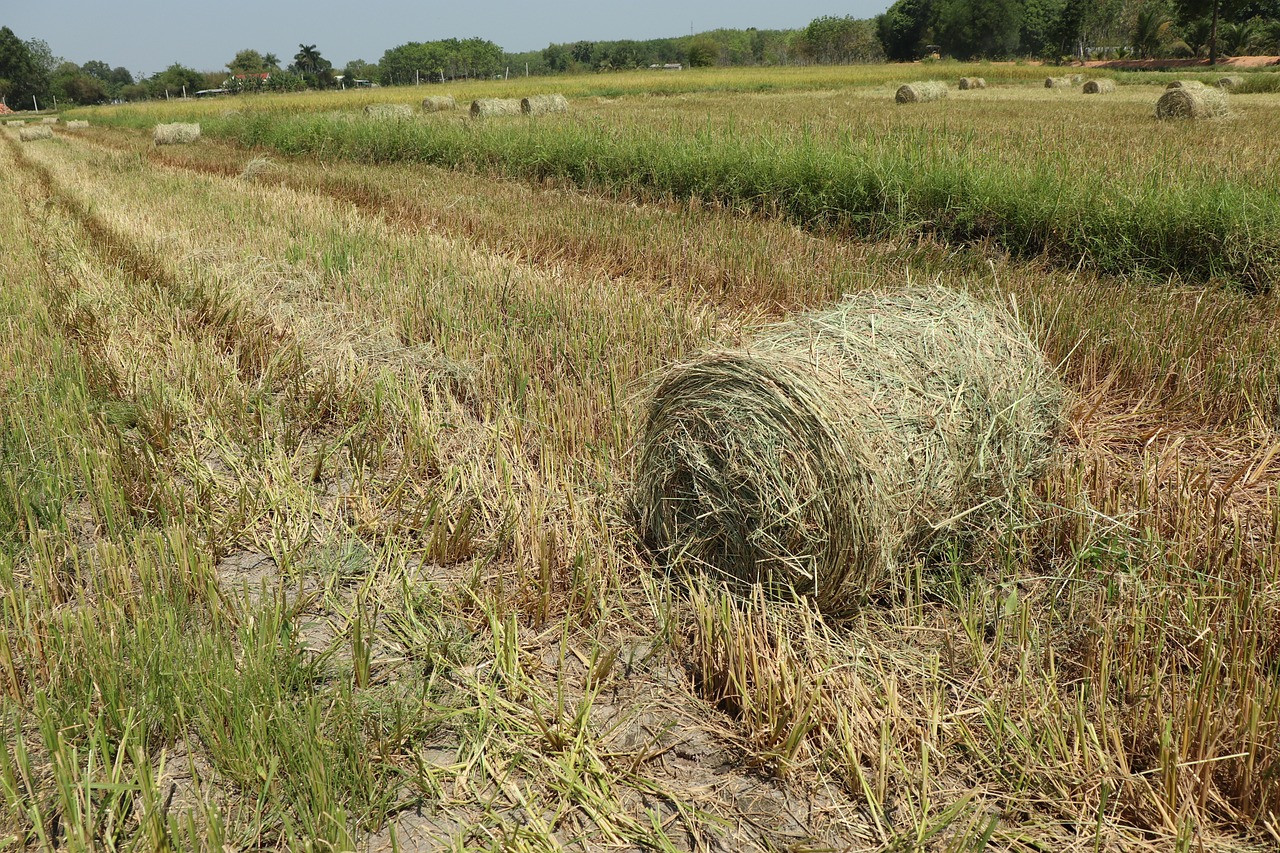
Representative image: GrassNguyen / Pixabay
Bengaluru cleantech start-up altM raised $10.3 million in a Series A round led by Rainmatter and Mela Ventures, reported on 5 November 2026.
What Happened
altM, a Bengaluru cleantech start-up that makes specialty chemicals and biomaterials from agricultural residue, has raised $10.3 million, about Rs 97.5 crore, in a Series A funding round led by Rainmatter, the investment arm associated with Zerodha, and Mela Ventures, according to reports published on Thursday, 5 November 2026. Existing investors Omnivore, Theia Ventures, Aureolis Ventures and Spectrum Impact also took part. The company will use the money to move from pilot-scale production to commercial manufacturing.
Key Facts
- Amount: $10.3 million, reported as about Rs 97.5 crore, in a Series A round.
- Lead investors: Rainmatter by Zerodha and Mela Ventures, both new investors in the company.
- Other investors: existing backers Omnivore, Theia Ventures, Aureolis Ventures and Spectrum Impact, plus strategic angel investors.
- Business: altM breaks down plant matter from crop residue into its core polymers and upgrades these into chemicals and materials for industrial use.
- Founded: 2022, by former Tesla executives, according to one report.
- Facility: an integrated research and pilot manufacturing plant in Bengaluru, built after a $3.5 million seed round in 2023.
- Targets: the company aims to sell out its pilot plant's capacity by the first quarter of FY28 and to expand manufacturing capacity to 10,000 tonnes a year over five years, according to reports.
- Investor view: Mela Ventures managing partner Krishnakumar N described altM's work as an effort to create new-age materials that can match inputs made from fossil fuels.
Why It Matters
Crop residue is a recurring problem after harvests in India; in Punjab alone, hundreds of stubble fires have been reported this season even as the Centre pushes sales of paddy straw. Companies like altM are trying to give that residue a commercial value by turning it into ingredients that factories now buy from petrochemical sources. If that works at scale, it could give farmers another outlet for residue and give manufacturers a lower-carbon raw material.
The round is also a sign of investor interest in deep-tech manufacturing in India, not just software. Moving from a pilot plant to commercial production is usually the hardest step for such companies, because it needs larger capital spending and steady demand from industrial buyers.
The targets are ambitious. Selling out the pilot plant by early FY28 and reaching 10,000 tonnes a year within five years will depend on building factories on time, securing a steady supply of residue, and convincing chemical buyers that plant-based inputs perform as well as the materials they replace. These are company goals, not results.
Peepals calculation: The two reported figures, $10.3 million and Rs 97.5 crore, imply an exchange rate of about Rs 94.7 to the dollar (97,50,00,000 ÷ 1,03,00,000). The Series A is about 2.9 times the $3.5 million seed round of 2023 (10.3 ÷ 3.5 = 2.94), taking total reported funding to about $13.8 million (10.3 + 3.5). Our calculation from the reported figures.
| Item | Detail |
|---|---|
| Company | altM, Bengaluru |
| Round | Series A, $10.3 million (about Rs 97.5 crore) |
| Lead investors | Rainmatter by Zerodha, Mela Ventures |
| Earlier round | $3.5 million seed, 2023 |
| Capacity target | 10,000 tonnes a year in five years |
Impact
Short-term: altM can begin moving from its Bengaluru pilot plant towards commercial-scale production and add staff for manufacturing and research.
Long-term: If the company reaches its capacity goals, it could create a new market for crop residue and offer Indian manufacturers plant-based alternatives to some fossil-derived chemicals.
Who is affected: Farmers who generate crop residue; chemical and materials buyers in industry; climate-focused investors; and job seekers in chemical engineering and manufacturing in Bengaluru.
Key Takeaway
altM's $10.3 million Series A, led by Rainmatter and Mela Ventures, is meant to take its crop-residue-based chemicals from a Bengaluru pilot plant to commercial manufacturing.
Questions and Answers
How much did altM raise and who led the round?
altM raised $10.3 million, about Rs 97.5 crore, in a Series A round led by Rainmatter by Zerodha and Mela Ventures, with existing investors Omnivore, Theia Ventures, Aureolis Ventures and Spectrum Impact taking part.
What does altM make?
It makes specialty chemicals and biomaterials for industry from agricultural residue, by breaking plant matter into its core polymers and upgrading them.
What will altM do with the money?
The company plans to move from pilot-scale production to commercial manufacturing, aiming to expand capacity to 10,000 tonnes a year over five years.
When was altM founded?
altM was founded in 2022 and raised a $3.5 million seed round in 2023, according to reports.
Disclaimer: Prepared by the Peepals newsroom from publicly available sources with AI assistance. Information is accurate to the best of our knowledge at the time of publication and may change. Images may be representative. Not professional advice. Report an error via our contact page.
By Arjun Mehta, Senior Business EditorCovers Start-ups & Opportunities and more for Peepals Business. All stories by Arjun Mehta
Sweden's Riksbank lifts policy rate to 2%, signals another rise next year
Kurukshetra mahapanchayat today: cane farmers reject Rs 430, seek Rs 600 a quintal
Get the day's stories in your inbox
Peepals Weekly: the week decoded, free. One email a week, unsubscribe in one click.
Arjun Mehta is a pen name of the Peepals Global Editorial Team, which researches, fact-checks and publishes every story. The portrait is an illustration.