Chandrasekaran calls chips 'fundamental' to India as Tata's Assam plant runs pilots
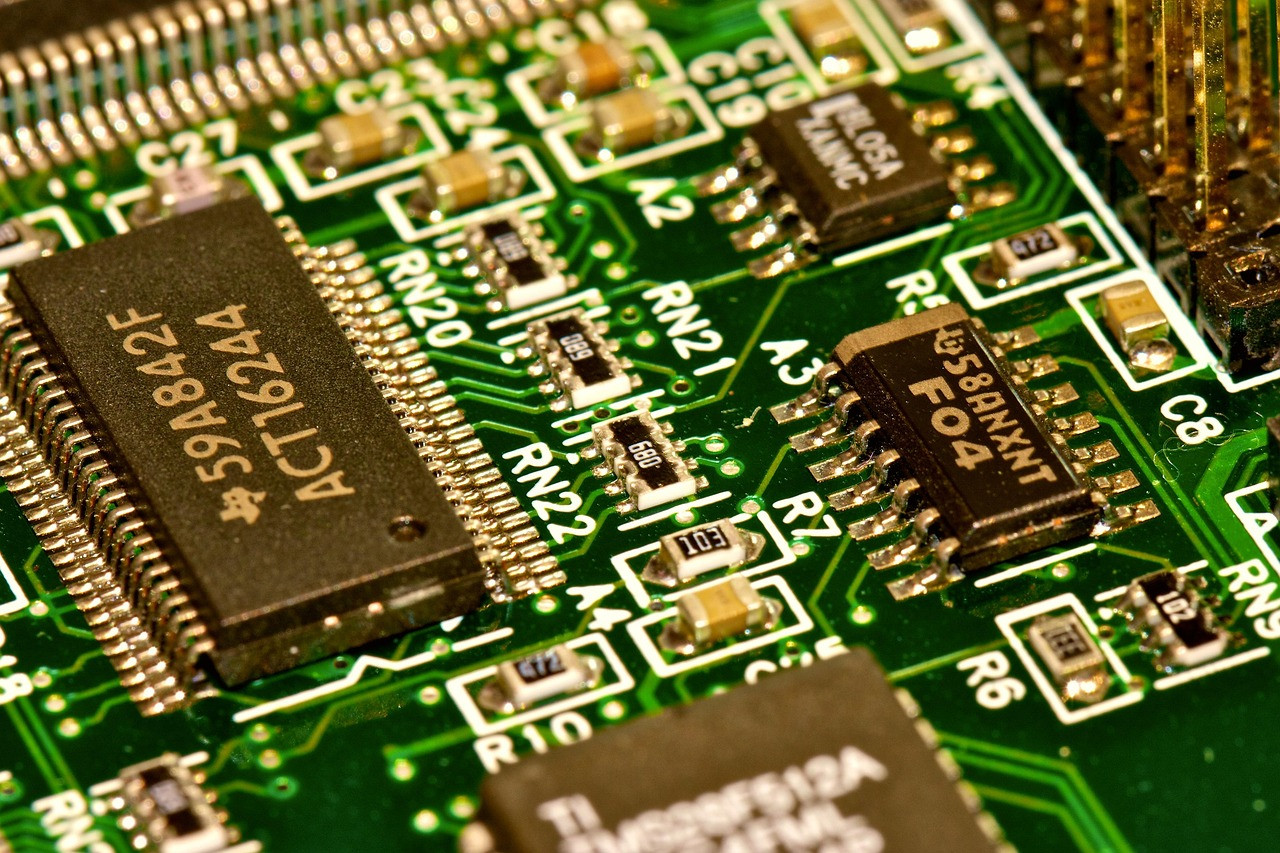
Representative image: maaster / Pixabay
Tata Sons chairman N Chandrasekaran said on October 13, 2026 that semiconductors are fundamental to India's future, as Tata's Rs 27,000 crore Assam chip plant runs pilot batches.
What Happened
Tata Sons chairman N Chandrasekaran said on Tuesday, October 13, 2026, that semiconductors will be fundamental to India's future and that the Tata Group's chip investments are a long-term bet on domestic demand. Speaking at the Bloomberg New Economy forum in New Delhi, he said India is well placed to become a key player in the global chip supply chain because of its talent, its large home market and possible international partnerships. He also cautioned against trying to build the most advanced chip plants, such as two-nanometre fabs, without knowing who will buy their output. His comments came as Tata Electronics runs pilot production at its Rs 27,000 crore chip assembly and test plant at Jagiroad in Assam.
Key Facts
- Chandrasekaran spoke on October 13, 2026 at the Bloomberg New Economy forum in New Delhi, on a panel titled "The End of Predictability".
- He said partnerships with global companies will be essential to get chipmaking technology, and named energy availability as a critical factor.
- He warned that forcing entry into highly complex segments, such as two-nanometre plants, without clear demand is risky.
- Tata's Assam plant at Jagiroad in Morigaon district is an outsourced semiconductor assembly and test (OSAT) unit costing about Rs 27,000 crore.
- It is designed to handle up to 48 million chips a day and covers 592 acres.
- Its first clean room is complete and pilot production is under way, Assam Chief Minister Himanta Biswa Sarma said on October 3; a second clean room is being built.
- A formal inauguration by Prime Minister Narendra Modi is expected in December 2026 or January 2027.
Why It Matters
Chandrasekaran's remarks set out how one of India's largest business groups sees the chip industry: not as a race for the most advanced chips, but as a steady build-up of capacity for chips that Indian buyers will need anyway. He said getting the numbers right in two or three years was not the main point, because chips will be fundamentally required by domestic consumers.
His warning about two-nanometre plants is also significant. The most advanced chips need enormous investment and depend on a few global suppliers of equipment and know-how. By arguing that India should not chase such plants without a clear market, the Tata chief is backing a more gradual path that starts with assembly, testing and mature manufacturing processes.
The Assam plant is the most visible example of that approach. It does not make silicon wafers; it takes chips made elsewhere and cuts, bonds, packages and tests them. It will use wire bond, flip chip and integrated systems packaging, and is aimed at chips for cars, electric vehicles, communications equipment and consumer electronics. In February, Tata Electronics and Qualcomm said Qualcomm's automotive modules would be made at Jagiroad for Indian and global carmakers. Tata has also lined up suppliers in Europe, Japan and South-East Asia. The group is separately building a chip fabrication plant at Dholera in Gujarat, and its total chip investment across Gujarat and Assam is about Rs 1.18 lakh crore.
For India's wider manufacturing push, the Assam plant adds capacity in a new region. Several other assembly plants have started production in Gujarat this year, and the Assam unit would add to that base.
| Item | Detail |
|---|---|
| Speaker | N Chandrasekaran, chairman, Tata Sons |
| Forum | Bloomberg New Economy, New Delhi, October 13, 2026 |
| Assam plant investment | About Rs 27,000 crore |
| Planned capacity | Up to 48 million chips a day |
| Expected inauguration | December 2026 or January 2027 |
Impact
Short-term: The Assam plant will keep running pilot batches at partial capacity while the second clean room is completed, ahead of full commercial operations around the turn of the year.
Long-term: If Tata's domestic-demand strategy works, India could build a stable chip packaging and manufacturing base that supplies its car, phone and electronics makers, reducing dependence on imports.
Who is affected: Indian carmakers and electronics companies that buy chips, workers and suppliers in Assam and Gujarat, global partners such as Qualcomm, and investors watching India's semiconductor programme.
Key Takeaway
Chandrasekaran framed Tata's chip investments as a long-term bet on Indian demand, not a race for the most advanced plants, as its Assam assembly unit moves through pilot production.
Questions and Answers
What did N Chandrasekaran say about semiconductors?
On October 13, 2026, at the Bloomberg New Economy forum in New Delhi, he said semiconductors will be fundamental to India's future, that India's talent and market make it well placed in the global supply chain, and that global partnerships and energy supply will be critical.
Did Chandrasekaran back building two-nanometre chip plants in India?
No. He warned that pushing into highly complex segments such as two-nanometre plants without knowing where the chips will be sold is a risky strategy.
What is the status of Tata's Assam chip plant?
The Jagiroad plant has completed its first clean room and started pilot production, with a second clean room under construction. A formal inauguration is expected in December 2026 or January 2027.
What will the Assam plant make?
It is an assembly and test plant that will package and test chips, not make wafers, using wire bond, flip chip and integrated systems packaging, for uses such as cars, EVs, communications and consumer electronics.
Disclaimer: Prepared by the Peepals newsroom from publicly available sources with AI assistance. Information is accurate to the best of our knowledge at the time of publication and may change. Images may be representative. Not professional advice. Report an error via our contact page.
Sourced and fact-checked by the Peepals Global Editorial Team
Wholesale inflation jumps to 11.39% in September as fuel, food and metals rise
Mettur dam falls near 61 feet; discharge cut as Cauvery delta samba paddy faces risk
Reported, fact-checked and published by the Peepals Global Editorial Team.