Mettur dam falls near 61 feet; discharge cut as Cauvery delta samba paddy faces risk
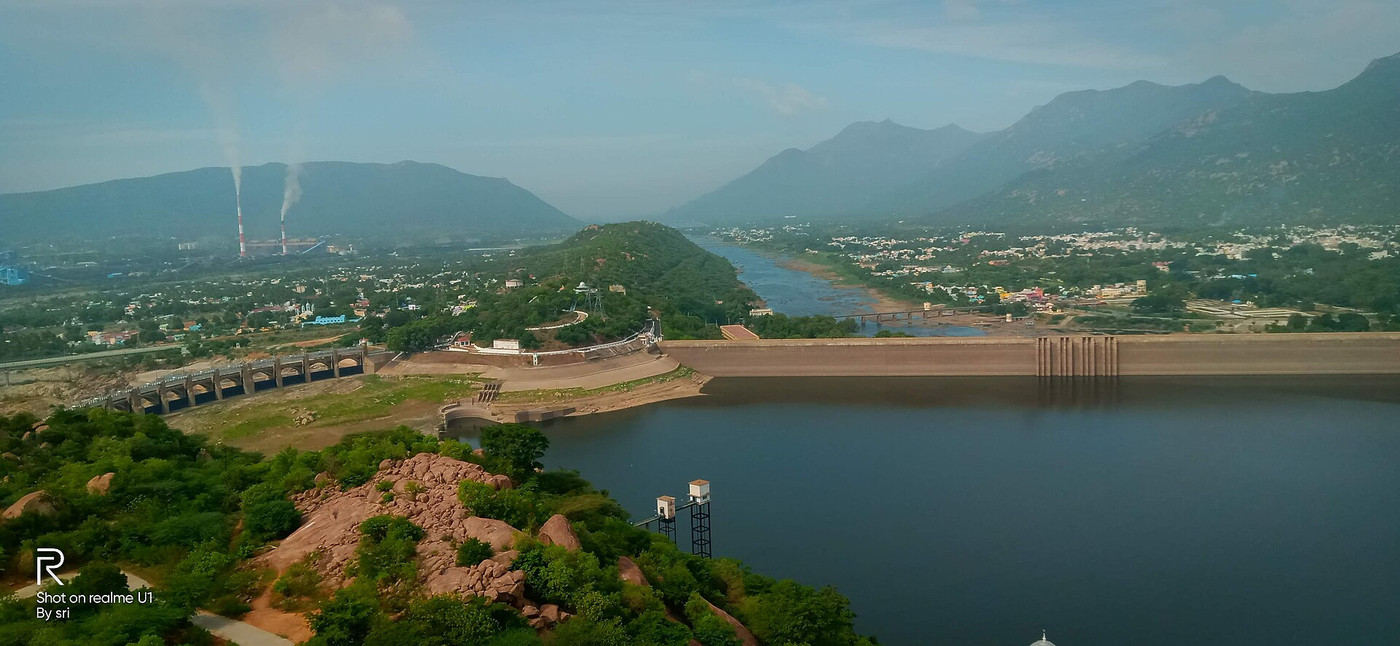
File photo: Sri2161k (CC BY-SA 4.0), via Wikimedia Commons
Mettur dam's level fell to about 61 feet by October 13, 2026 and irrigation discharge was cut to 10,000 cusecs, putting the Cauvery delta's samba paddy at risk.
What Happened
The water level in Tamil Nadu's Mettur dam, the main source of irrigation for the Cauvery delta, has dropped sharply this month, putting the delta's samba paddy crop at risk. On October 11, 2026, authorities cut the discharge for delta irrigation to 10,000 cusecs from 12,000 cusecs because inflow had fallen to under 1,000 cusecs and storage was dropping fast, according to reports. The level had fallen to about 63 feet that day, 28 feet lower than on September 1, when the dam was opened for irrigation. A live water-level tracker showed the level at about 60.89 feet against a full reservoir level of 120 feet on October 13, compared with 116.85 feet a year earlier. Tail-end farmers say water has still not reached their fields.
Key Facts
- Mettur was opened for delta irrigation on September 1, 2026, instead of the customary June 12, because of low storage earlier in the season.
- On September 1 the level was about 91 feet; by October 11 it was about 63 feet.
- Discharge was cut to 10,000 cusecs on October 11 from 12,000 cusecs; inflow was about 970 cusecs.
- On October 7-8, storage was about 31.6 TMC against a capacity of 93.47 TMC.
- A level tracker showed about 60.89 feet on October 13, against 116.85 feet on the same date last year.
- The short-term kuruvai crop has already failed, according to reports.
- The Nandi statue in the reservoir bed has become visible as the water recedes.
Why It Matters
Farmers in the Cauvery delta planted their samba crop expecting enough water to follow the dam's late opening. With the reservoir draining and inflows from Karnataka dwindling, the water may not last long enough to see the crop through. Reports in early October said irrigation releases could be stopped within a fortnight to keep water for drinking.
The reason is simple arithmetic. Through late September, releases were more than eight times the inflow; on September 27, the dam was releasing 12,400 cusecs while receiving a fraction of that. Without fresh inflow from upstream, each day of release takes the reservoir closer to the minimum needed for drinking water supply. Cutting the discharge to 10,000 cusecs slows the fall but also means less water for farmers at the tail end of the canal network, who are the last to receive it.
Farmers have asked the state government for a final effort to save the crop. Their demands include setting up a monitoring committee, advice on alternate crops, incentives for rain-fed crops and keeping releases at about 12,000 cusecs for a few more days. Reports warn that even a partial failure of samba could cause a steep fall in Tamil Nadu's rice output.
Farmers are also watching for rain from the northeast monsoon to rescue the season.
| Date | Mettur level | Note |
|---|---|---|
| September 1 | About 91 feet | Dam opened for delta irrigation |
| September 27 | 80.52 feet | Releases about eight times inflow |
| October 11 | About 63 feet | Discharge cut to 10,000 cusecs |
| October 13 | About 60.89 feet | Tracker reading; 116.85 feet a year ago |
Impact
Short-term: Less water reaches the tail-end areas of the delta, and young samba crops there face stress. Authorities may have to stop irrigation releases altogether to protect drinking water.
Long-term: A failed or reduced samba harvest would cut farm incomes in the delta, raise rice prices and add pressure on the state to compensate farmers.
Who is affected: Paddy farmers and farm workers in the Cauvery delta, rice traders and consumers in Tamil Nadu, and towns that depend on Mettur for drinking water.
Key Takeaway
With Mettur near 61 feet and inflow under 1,000 cusecs, the Cauvery delta's samba paddy now depends on whether water lasts and the northeast monsoon arrives in time.
Questions and Answers
What is the Mettur dam water level now?
A live tracker showed about 60.89 feet on October 13, 2026, against a full level of 120 feet. On the same date last year the level was 116.85 feet.
Why was the Mettur discharge reduced?
On October 11, 2026, discharge for delta irrigation was cut from 12,000 to 10,000 cusecs because inflow had fallen to about 970 cusecs and storage was dropping quickly.
How does this affect delta farmers?
Samba paddy planted on the expectation of water is at risk, especially at the tail end of the canals where water has not arrived. The earlier kuruvai crop has already failed.
What are farmers asking the government to do?
They want a monitoring committee, guidance on alternate crops, incentives for rain-fed crops and releases kept at about 12,000 cusecs for a few more days to save the samba crop.
Disclaimer: Prepared by the Peepals newsroom from publicly available sources with AI assistance. Information is accurate to the best of our knowledge at the time of publication and may change. Images may be representative. Not professional advice. Report an error via our contact page.
Sourced and fact-checked by the Peepals Global Editorial Team
Chandrasekaran calls chips 'fundamental' to India as Tata's Assam plant runs pilots
Sensex slips 252 points, Nifty ends at 22,623 as pharma drags; IT rally continues
Reported, fact-checked and published by the Peepals Global Editorial Team.