US CPI: inflation rises to 3.7% in September as gasoline jumps 9.1%
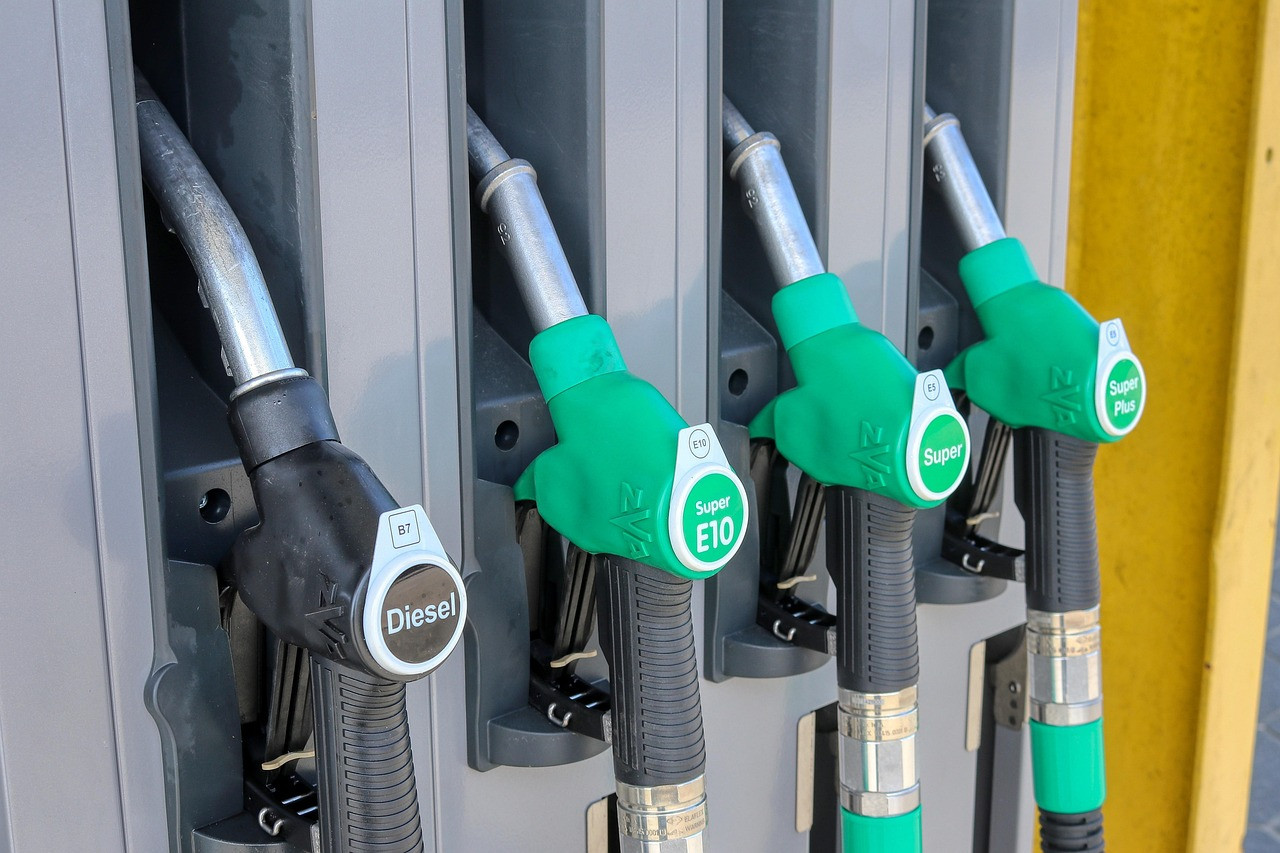
Representative image: planet_fox / Pixabay
US consumer prices rose 0.6% in September and 3.7% from a year earlier, the BLS said on October 14, 2026, as gasoline jumped 9.1%; core inflation was 2.6%.
What Happened
The US consumer price index (CPI) rose 0.6 percent in September 2026 on a seasonally adjusted basis, after a 0.4 percent rise in August, the Bureau of Labor Statistics (BLS) reported on Wednesday, October 14, 2026. Over the 12 months to September, prices rose 3.7 percent, up from 3.4 percent in the year to August. A 9.1 percent jump in gasoline prices accounted for more than half of the monthly increase. Core inflation, which leaves out food and energy, rose 0.3 percent in the month and 2.6 percent over the year. The annual headline and core figures were each a tenth of a point higher than economists had expected.
Key Facts
- Headline CPI: up 0.6 percent in September and 3.7 percent year on year.
- Core CPI (excluding food and energy): up 0.3 percent in the month and 2.6 percent year on year.
- Gasoline rose 9.1 percent in September, more than half of the month's increase; energy overall rose 5.2 percent.
- Over the past year, gasoline is up 34.2 percent and fuel oil up 74.2 percent.
- Shelter costs rose 0.4 percent, after 0.3 percent in August.
- Food prices were unchanged: restaurant meals rose 0.2 percent while grocery prices fell 0.1 percent.
- Economists surveyed by Dow Jones had expected 0.6 percent monthly and 3.6 percent annual headline inflation, and 0.2 percent and 2.5 percent for core.
Why It Matters
The report shows a clear split in US inflation. The headline figure is being pushed up by energy. Gasoline and fuel oil prices have risen sharply over the past year, and forecasters linked the pressure to developments in the Middle East. Underlying inflation, measured by the core index, is much lower at 2.6 percent, but it also came in slightly above forecasts, which suggests price pressure is not limited to fuel.
Other categories also rose over the month, including recreation, used cars and trucks, education, airline fares, medical care and clothing. Communication was one of the few major groups to fall. Shelter costs rose a little faster than in August.
The timing gives the numbers extra weight. This is the last CPI report before the US midterm elections in November, and the cost of living is a central campaign issue. It also feeds into the Federal Reserve's next decisions on interest rates. Forecasters said the report could show whether a further tightening move is close or still some way off, and markets reacted quickly: the US dollar strengthened and gold prices fell after the release.
For readers outside the US, American inflation matters because it shapes the Federal Reserve's interest rate decisions, which in turn move the dollar, global bond yields and the flow of investment into and out of emerging markets. A stronger dollar after a hotter-than-expected report tends to put pressure on other currencies.
| Measure | August 2026 | September 2026 |
|---|---|---|
| Headline CPI, month | 0.4% | 0.6% |
| Headline CPI, year | 3.4% | 3.7% |
| Core CPI, month | 0.3% | 0.3% |
| Energy index, month | 2.1% | 5.2% |
Impact
Short-term: Higher fuel prices hit US households directly at the pump and in heating costs. Investors will reprice expectations for the Federal Reserve's next meeting, and the dollar and bond yields may stay firm.
Long-term: If energy prices stay high, they can feed into transport and production costs and lift core inflation over time. If they ease, headline inflation could fall back towards the core rate.
Who is affected: US consumers and businesses, the Federal Reserve, investors in US and global markets, and countries whose currencies and capital flows react to US interest rates.
Key Takeaway
US inflation rose to 3.7 percent in September on a 9.1 percent jump in gasoline, while core inflation edged up to 2.6 percent, both slightly above forecasts.
Questions and Answers
What did the September 2026 CPI report show?
The BLS said on October 14, 2026 that US consumer prices rose 0.6 percent in September and 3.7 percent over the past year. Core prices, excluding food and energy, rose 0.3 percent in the month and 2.6 percent over the year.
Why did US inflation rise in September?
Mainly because of gasoline, which jumped 9.1 percent in the month and accounted for more than half of the overall increase. Energy prices as a whole rose 5.2 percent.
Was the CPI higher than expected?
Slightly. Economists surveyed by Dow Jones expected 3.6 percent annual inflation and 2.5 percent core; the actual figures were 3.7 percent and 2.6 percent.
How did markets react to the CPI report?
The US dollar strengthened and gold prices fell after the release, as investors weighed what it means for Federal Reserve interest rate decisions.
Disclaimer: Prepared by the Peepals newsroom from publicly available sources with AI assistance. Information is accurate to the best of our knowledge at the time of publication and may change. Images may be representative. Not professional advice. Report an error via our contact page.
Sourced and fact-checked by the Peepals Global Editorial Team
Reported, fact-checked and published by the Peepals Global Editorial Team.