
Colt DCS, RMZ start 64 MW AI-ready Mumbai 3 data centre, fully pre-let
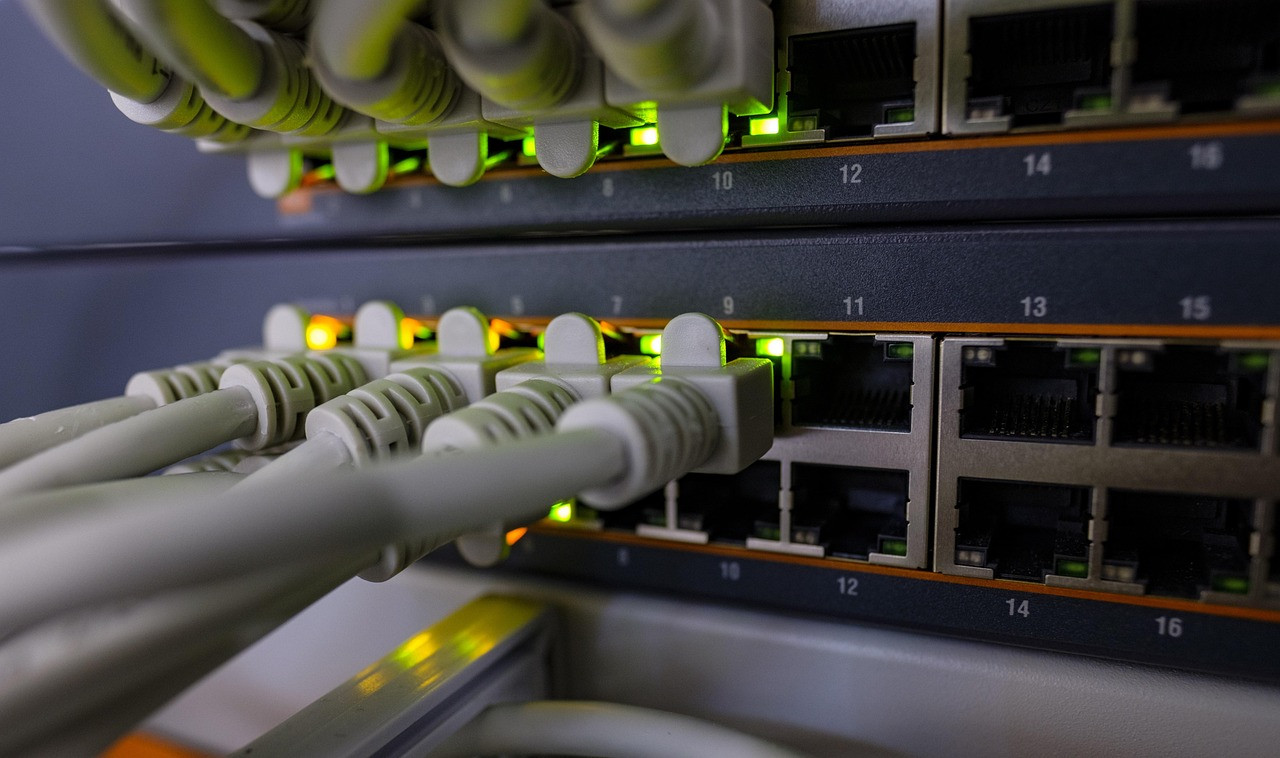
Representative image: Bru-nO / Pixabay
Colt DCS and RMZ began building Mumbai 3, a 64 MW AI-ready data centre in Navi Mumbai fully pre-let to a hyperscaler, they said on October 15, 2026.
What Happened
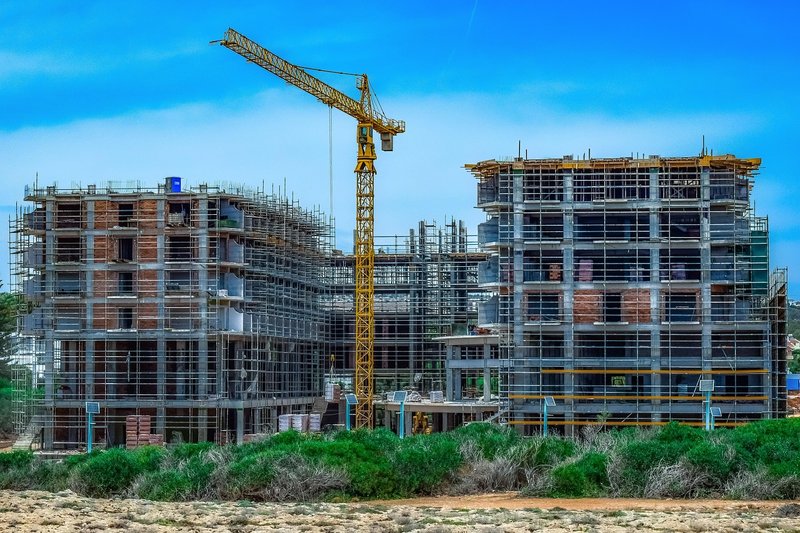
Colt Data Centre Services (Colt DCS) and real assets firm RMZ have begun building a third data centre at their Navi Mumbai campus, a 64-megawatt facility designed for artificial intelligence workloads, the two companies announced on Thursday, October 15, 2026. The building, called Mumbai 3, is already fully pre-let to a hyperscale customer that has not been named. When it is complete, the campus's operating capacity will rise to 86 megawatts. The project is part of a joint venture that plans to invest $1.7 billion in India's data centre market.
Key Facts
- Project: Mumbai 3, the third data centre on Colt DCS and RMZ's Navi Mumbai campus.
- Capacity: 64 MW; the campus will reach 86 MW of operating capacity once it is finished, and can grow to as much as 148 MW at full development.
- Customer: fully pre-let to a hyperscale customer; the companies have not named it.
- Design: built for AI and high-density computing, with hybrid cooling that combines air cooling and direct liquid-to-chip cooling.
- Power and water: designed to run on 100% renewable energy, with a closed-loop cooling system the companies say means near-zero wastewater from cooling.
- Investment: part of a joint venture announced in 2024 to invest $1.7 billion and build about 250 MW across Mumbai and Chennai.
- Not disclosed: the cost of Mumbai 3 and its completion date.
Why It Matters
Data centres are the factories of the digital economy, and AI is changing what those factories need. Training and running large AI models uses racks of powerful chips that draw far more electricity, and give off far more heat, than ordinary servers. That is why Mumbai 3 is being built with liquid cooling that carries heat away directly from the chips, rather than relying only on cold air. For Indian companies planning to use AI at scale, facilities like this decide whether the computing can be done inside the country.
The pre-letting is a strong signal of demand. A hyperscale customer, typically one of the big cloud or internet companies, has committed to take the entire building before it is finished. That suggests the big platforms expect their Indian AI and cloud business to keep growing and want capacity locked in early.
Mumbai is one of India's main data centre hubs, and every new facility there adds to the demand for electricity and water. The companies' focus on renewable power and closed-loop cooling responds directly to those concerns, which have become a major issue for data centres around the world. In the UK this month, Microsoft pulled out of a large AI data centre project in Essex over doubts about grid power.
| Item | Detail |
|---|---|
| Mumbai 3 capacity | 64 MW |
| Campus capacity after Mumbai 3 | 86 MW |
| Campus potential at full build-out | Up to 148 MW |
| Joint venture target | About 250 MW across Mumbai and Chennai |
| Joint venture investment | $1.7 billion |
For businesses, the practical effect is more local capacity for cloud and AI services. Data that stays in Indian data centres also helps companies in banking, health and government meet rules on where sensitive information must be stored.
Impact
Short-term: Construction work in Navi Mumbai will create jobs in building, electrical and cooling systems. Equipment suppliers, power companies and renewable energy developers stand to gain from orders tied to the project.
Long-term: As more AI-ready capacity comes online in India, the cost of running AI services locally should fall and more global companies may host AI workloads in the country. The challenge will be supplying enough clean power and water as the sector grows.
Who is affected: Cloud and AI companies that need capacity in India; Indian enterprises moving to AI; power utilities and renewable energy suppliers in Maharashtra; and residents and local bodies around the Navi Mumbai campus, who will watch its use of power and water.
Key Takeaway
Colt DCS and RMZ have started building a fully pre-let, 64 MW AI-ready data centre in Navi Mumbai, a sign that big cloud companies are locking in Indian AI capacity early, with liquid cooling and renewable power built in.
Questions and Answers
What is Colt DCS and RMZ's Mumbai 3 data centre?
Mumbai 3 is a 64 MW data centre being built on the companies' Navi Mumbai campus, designed for AI and high-density computing. Construction began as announced on October 15, 2026, and the facility is fully pre-let to an unnamed hyperscale customer.
How much are Colt DCS and RMZ investing in India?
Their joint venture, announced in 2024, plans to invest $1.7 billion to build about 250 MW of data centre capacity across Mumbai and Chennai. The cost of Mumbai 3 alone has not been disclosed.
Why does Mumbai 3 use liquid cooling?
AI chips draw much more power and produce much more heat than ordinary servers. Mumbai 3 combines air cooling with direct liquid-to-chip cooling to remove that heat efficiently, using a closed-loop system.
When will Mumbai 3 be ready?
The companies have not given a completion date. Once finished, it will take the Navi Mumbai campus's operating capacity to 86 MW.
Disclaimer: Prepared by the Peepals newsroom from publicly available sources with AI assistance. Information is accurate to the best of our knowledge at the time of publication and may change. Images may be representative. Not professional advice. Report an error via our contact page.
Sourced and fact-checked by the Peepals Global Editorial Team
Reported, fact-checked and published by the Peepals Global Editorial Team.