Verizon and Ericsson make outdoor 6G call in 7 GHz band from a live network site
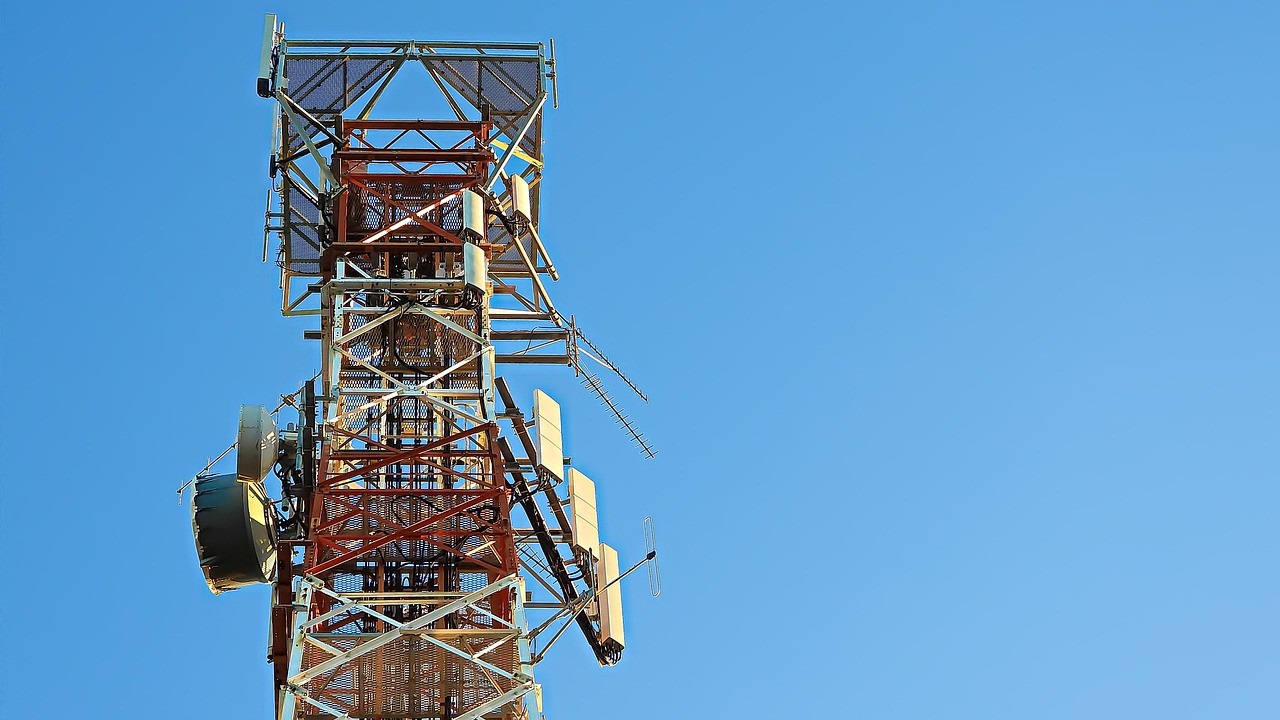
Representative image: pelegraphy / Pixabay
Verizon and Ericsson said on October 15, 2026, they made the first outdoor 6G field call, using the 7 GHz band from a commercial site in California.
What Happened
Verizon and Ericsson said on October 15, 2026, that they have completed what they describe as the world's first outdoor 6G field call. The pre-standard call used the 7 GHz band and ran from a Verizon commercial network site in Concord, California. Ericsson's base station ran an early 6G software stack on a 400 MHz-wide carrier, and the test looked at both outdoor performance and how well signals pass from outside into buildings. The companies stressed that this is a proof-of-concept test, not the launch of a 6G service.
Key Facts
- Verizon and Ericsson announced the 6G field call on October 15, 2026.
- The test used pre-standard 6G technology in the 7 GHz band from a Verizon commercial site in Concord, California.
- Ericsson's base station ran a pre-standard 6G stack with a 400 MHz carrier; the user device sat in a mobile enclosure.
- The trial measured outdoor performance and outside-to-indoor signal penetration, using different wall and window materials.
- The "world's first" claim is the companies' own; the 3GPP standards body has not finished the 6G specification.
- Ericsson expects the first commercial 6G systems in 2030; the final 6G standard (3GPP Release 21) is scheduled to be frozen in March 2029.
Why It Matters
Every generation of mobile technology needs new radio spectrum, and for 6G one of the most important candidates is the so-called upper mid-band, roughly 7 to 24 GHz. These frequencies offer far more capacity than today's main 5G bands, but they do not travel as far and are weakened more by walls and windows. That is why the test's focus on outside-to-indoor coverage matters: most mobile data is used indoors, and if 7 GHz signals cannot get inside buildings from existing towers, operators would have to build many more sites, raising costs sharply.
Running the trial from a commercial site rather than a lab is also significant. It suggests operators hope to add 6G to their existing tower networks, reusing sites and equipment, rather than building separate networks from scratch. That is the economic question that will decide how quickly 6G spreads. For equipment makers such as Ericsson, early field results help shape the standard and position their products for the contracts that will follow once the specification is fixed.
The timeline remains long. The standards body 3GPP plans a first functional freeze of the 6G specification in March 2027 and a final freeze in March 2029. Ericsson expects the first commercial systems in 2030, while Nokia has said early-adopter networks could appear in late 2029. Until then, tests like this one are about learning, not service. The business payoff is years away.
For Indian businesses and policymakers, the test is a reminder that spectrum planning for 6G is already under way worldwide. Decisions on which bands to release, and when, will shape how soon Indian operators and equipment makers can take part in the next generation of mobile networks.
| 6G milestone | Timing |
|---|---|
| Verizon-Ericsson outdoor 7 GHz field call | October 15, 2026 |
| First functional freeze of 6G standard (Release 21) | March 2027 |
| Final 6G standard freeze | March 2029 |
| First commercial 6G systems (Ericsson's view) | 2030 |
Impact
Short-term: Verizon and Ericsson will keep analysing the field data and feed the results into further 6G research, testing and deployment planning. Rival operators and vendors are likely to announce their own field trials.
Long-term: If 7 GHz signals prove usable from existing sites, 6G could be rolled out at lower cost, bringing much higher capacity for uses such as industrial automation, extended reality and dense urban networks around 2030.
Who is affected: Mobile operators and telecom equipment makers, spectrum regulators, device and chip makers, and businesses planning future connected factories and services.
Key Takeaway
Verizon and Ericsson's October 15, 2026 outdoor 6G call in the 7 GHz band is an early proof that the next-generation network can run from today's tower sites, but commercial 6G is not expected before 2029-2030.
Questions and Answers
What did Verizon and Ericsson achieve in their 6G test?
They completed a pre-standard 6G field call in the 7 GHz band from a Verizon commercial site in Concord, California, announced on October 15, 2026. They describe it as the world's first outdoor 6G field call.
Is 6G available to customers now?
No. The test was a proof of concept. The 6G standard is still being written, with a final freeze planned for March 2029, and the first commercial 6G systems are expected around 2030.
Why is the 7 GHz band important for 6G?
It is part of the upper mid-band, which offers much more capacity than current 5G bands while still covering reasonable distances. Its weakness is that signals lose strength passing through walls, which is why the test measured outside-to-indoor coverage.
Is the "world's first" claim independently confirmed?
No. The claim comes from Verizon and Ericsson. Because the 6G standard is not finished, there is no independent body to certify such firsts.
Disclaimer: Prepared by the Peepals newsroom from publicly available sources with AI assistance. Information is accurate to the best of our knowledge at the time of publication and may change. Images may be representative. Not professional advice. Report an error via our contact page.
Sourced and fact-checked by the Peepals Global Editorial Team
Sensex gains 414 points to 74,729 as Tech Mahindra leads a 4% IT rally
Indian rice export prices hit one-year high as weak monsoon threatens harvest
Reported, fact-checked and published by the Peepals Global Editorial Team.