
Khet Bachao Abhiyan from October 22: farm visits to push soil-test fertiliser use
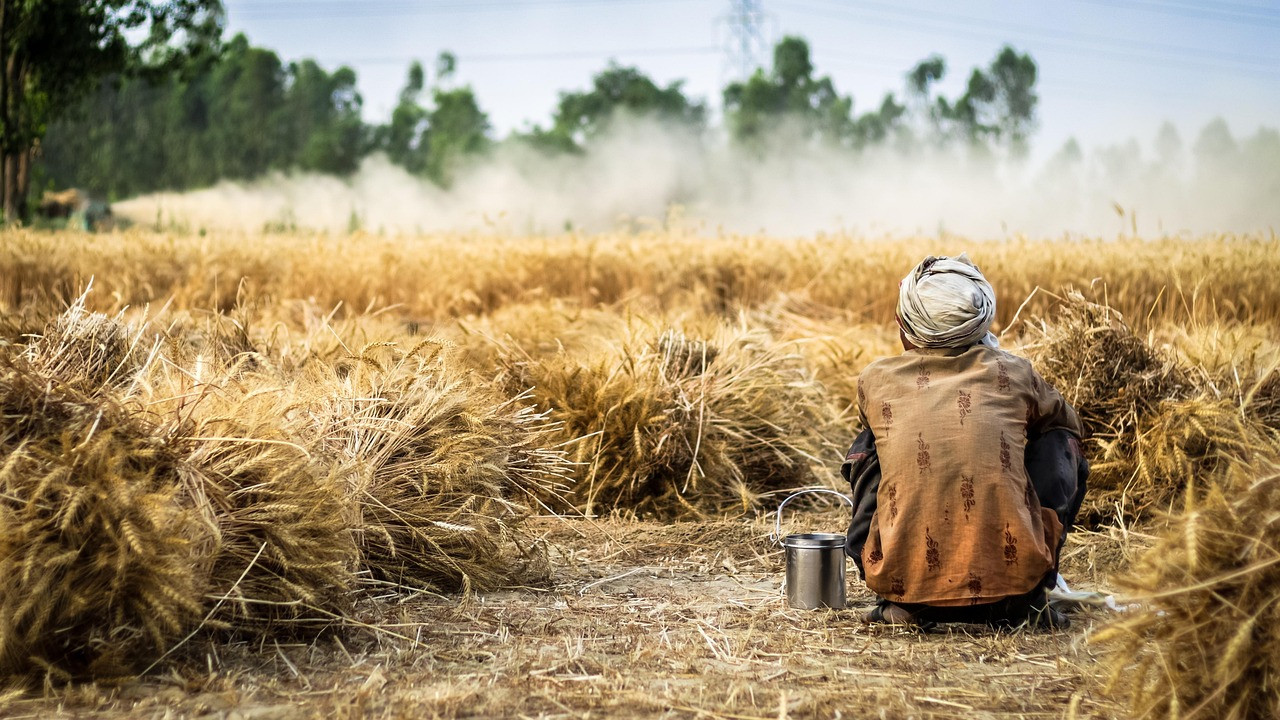
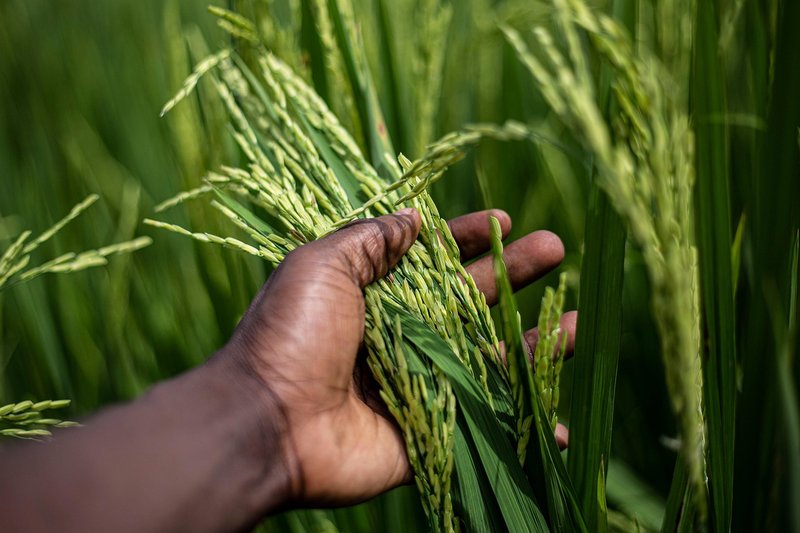
Representative image: aamiraimer / Pixabay
The Centre's Khet Bachao Abhiyan runs from October 22 to November 30, 2026, sending scientists to farms to push balanced fertiliser use and end stubble burning.
What Happened
The Centre's Khet Bachao Abhiyan, a nationwide campaign to improve soil health and cut the overuse of chemical fertilisers, will begin on Thursday, October 22, 2026, and run in every state until November 30, as farmers sow the rabi crop. Union Agriculture Minister Shivraj Singh Chouhan announced the campaign at the first-anniversary programme of the PM Dhan-Dhaanya Krishi Yojana earlier this month. Under it, scientists and field staff will visit farms to advise farmers to apply fertiliser according to their Soil Health Card, test their soil, conserve organic matter and avoid burning crop stubble.
Key Facts
- Campaign: Khet Bachao Abhiyan ("Save the Fields" campaign).
- Dates: October 22 to November 30, 2026, across all states, timed with rabi sowing.
- Main message: use fertilisers according to Soil Health Card recommendations, and choose crops based on soil moisture and water availability.
- Who will take part: scientists from the Indian Council of Agricultural Research (ICAR), Krishi Vigyan Kendras, state agriculture departments and other farm institutions.
- Field work: farm visits on soil testing, organic matter, balanced nutrient use and avoiding stubble burning.
- Government claim: a pilot in selected districts cut fertiliser use by 27% and saved more than Rs 1,400 crore, according to the minister; this figure has not been independently verified.
Why It Matters
Indian farms have a fertiliser problem that is both expensive and damaging. The campaign's own starting point is that chemical fertilisers are being used in an unbalanced way, often without farmers knowing what their soil actually lacks. The result is wasted money, falling soil quality over time and heavy spending by the government, which subsidises fertilisers. The Soil Health Card scheme was meant to fix this by telling each farmer what nutrients a plot needs, but advice on paper often does not change habits in the field. The new campaign tries to close that gap by sending experts to farms during the sowing weeks, when decisions on fertiliser are actually made.
The timing is also linked to supply. Rabi sowing of wheat, mustard, gram and other crops creates a surge in demand for DAP and urea every October and November. If farmers apply only what their soil needs, demand in the peak weeks falls and supplies stretch further.
Stubble burning is the third target. Burning paddy straw after harvest destroys organic matter that keeps soil healthy and adds to air pollution in north India every autumn. The campaign will promote alternatives, such as leaving residue in the field or managing it with machines.
| Item | Detail |
|---|---|
| Campaign period | October 22 to November 30, 2026 |
| Coverage | All states |
| Key tool | Soil Health Card recommendations |
| Field teams | ICAR scientists, Krishi Vigyan Kendras, state agriculture staff |
The campaign sits alongside the PM Dhan-Dhaanya Krishi Yojana, which targets 100 districts with low farm productivity, low cropping intensity and weak access to farm credit. At its anniversary event, the government also published rankings of districts under the scheme, with Gaya in Bihar among the top performers.
Impact
Short-term: Farmers can expect visits and village meetings from agriculture officials and Krishi Vigyan Kendra staff during sowing. Those who follow soil-test advice may spend less on fertiliser this season without losing yield, if the pilot results hold.
Long-term: Balanced fertiliser use can slow the decline in soil fertility, cut the subsidy bill and reduce the run-off of excess nutrients into water. Real gains depend on whether advice turns into lasting changes in how farmers buy and apply fertiliser.
Who is affected: Rabi farmers across India, especially wheat and mustard growers; fertiliser dealers and companies; state agriculture departments and Krishi Vigyan Kendras; and the Centre, which pays the fertiliser subsidy.
Key Takeaway
The Khet Bachao Abhiyan will send farm scientists to fields across India from October 22 to November 30, 2026, to push soil-test-based fertiliser use and stop stubble burning during rabi sowing.
Questions and Answers
What is the Khet Bachao Abhiyan?
It is a nationwide campaign by the Union Agriculture Ministry to improve soil health. Scientists and officials will visit farms to promote balanced fertiliser use based on Soil Health Cards, soil testing and alternatives to stubble burning.
When does the Khet Bachao Abhiyan start and end?
It runs from October 22 to November 30, 2026, in all states, during the rabi sowing season.
Who will carry out the campaign?
Scientists from the Indian Council of Agricultural Research, Krishi Vigyan Kendras, state agriculture departments and other farm institutions will take part.
How can farmers benefit?
By applying only the fertiliser their Soil Health Card recommends, farmers can cut costs. The minister said a pilot reduced fertiliser use by 27% and saved more than Rs 1,400 crore, though this has not been independently verified.
Disclaimer: Prepared by the Peepals newsroom from publicly available sources with AI assistance. Information is accurate to the best of our knowledge at the time of publication and may change. Images may be representative. Not professional advice. Report an error via our contact page.
Sourced and fact-checked by the Peepals Global Editorial Team
China's GDP grows 4.5% in Q3, beating forecasts, as exports offset weak home demand
South Indian Bank share in focus after record Rs 426 crore Q2 profit, margin at 3.33%
Reported, fact-checked and published by the Peepals Global Editorial Team.