
India's textile industry nears $190 billion, eyes $350 billion by 2030: Rubix
 By Arjun MehtaSenior Business Editor, Peepals Business
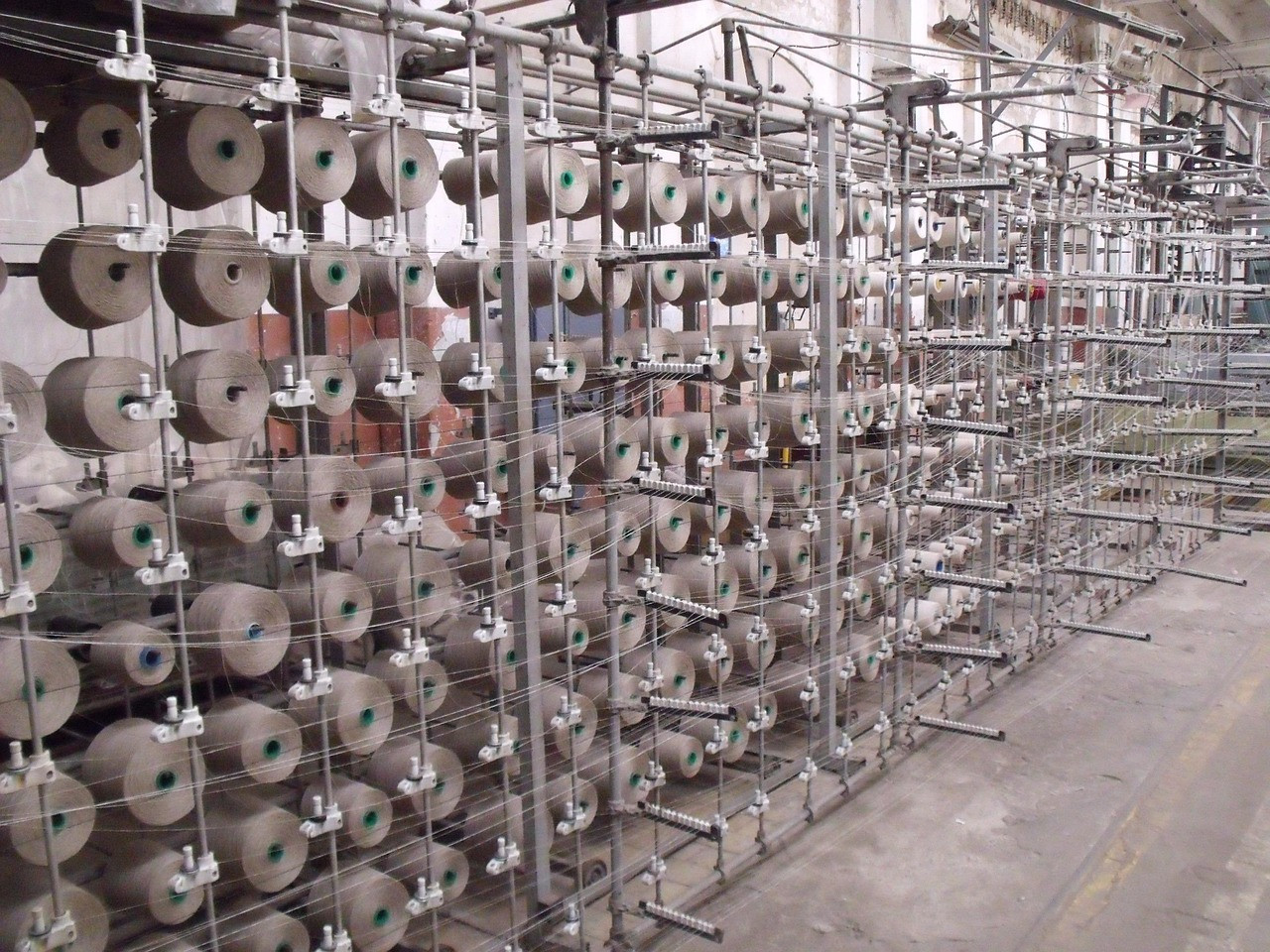
Representative image: PublicDomainPictures / Pixabay
India's textile industry was worth nearly $190 billion in FY26 and targets $350 billion by 2030, a Rubix report of October 26, 2026 says; exports are recovering.
What Happened
India's textile industry was worth nearly $190 billion in the financial year 2025-26 (FY26) and is aiming for $350 billion by 2030, according to the Textiles Update for October 2026 published around October 26, 2026, by Rubix Data Sciences, a business research firm. The report says textile and apparel exports fell 2.7% to $35.8 billion in FY26 but recovered by 10.3% year on year in April to August 2026. It also points to the expiry on October 31 of a temporary waiver of India's 11% import duty on cotton.
Key Facts
- Report: Textiles Update, October 2026, by Rubix Data Sciences; reported from October 26, 2026.
- Industry size: nearly $190 billion in FY26.
- Target: $350 billion by 2030, which the report links to domestic demand, manufacturing investment and export opportunities.
- Exports: textile and apparel exports fell 2.7% to $35.8 billion in FY26; imports rose 17.1% to $9.6 billion.
- Recovery: exports grew 10.3% year on year in April to August 2026, with cotton textiles up 18%.
- Markets: the US took about 31% of FY26 shipments and the European Union about 16%; exports to the US fell about 7% in FY26 while those to major European markets rose 9%, according to reports on the study.
- Cotton duty: the government waived the 11% import duty on cotton from June 1 to October 31, 2026; the industry has sought a six-month extension.
Why It Matters
India's textile and clothing industry runs from cotton farms and spinning mills to weaving clusters, garment factories and retail. For anyone looking at where business opportunities lie, the report gives a clear picture of the direction: a domestic market that is growing, and an export business that has started to recover after a weak year.
The gap between today's $190 billion and the $350 billion goal is large. Reaching it by 2030 would need the industry to grow by roughly 15% to 17% a year, depending on how the four or so years are counted, from the FY26 base. That is a target, not a forecast, and the report itself lists the risks, including uncertainty in trade with the United States, India's largest buyer, and disruptions to shipping.
The shift in export markets is worth noting. Shipments to the US fell in FY26, while those to major European markets rose. The US has added a separate 10% duty on some imports under its Section 301 trade powers, according to the report coverage, and trade talks between the two countries had not concluded by October 2026. For Indian exporters, that makes Europe and other markets more important, and makes any trade deal a key variable.
The cotton duty is the most immediate issue. Cotton is the main raw material for much of India's textile industry. The government removed the 11% import duty for five months to ease input costs for mills. Mills and garment makers want the waiver extended by six months, but cotton farmers are worried that duty-free imports could pull down prices just as their own crop comes to market. The decision on whether to extend the waiver beyond October 31 affects both sides.
| Measure | Figure | Period |
|---|---|---|
| Industry size | Nearly $190 billion | FY26 |
| Industry target | $350 billion | 2030 |
| Textile and apparel exports | $35.8 billion, down 2.7% | FY26 |
| Textile and apparel imports | $9.6 billion, up 17.1% | FY26 |
| Export growth | 10.3% year on year | April to August 2026 |
Impact
Short-term: Mills and garment makers are waiting to see whether the cotton import duty waiver is extended past October 31. Exporters continue to face higher US duties, while European demand has been firmer.
Long-term: If domestic demand and investment hold up, the industry has room to grow, and segments such as technical textiles and branded apparel could attract new businesses. The $350 billion goal depends on a recovery in exports and stable raw material costs.
Who is affected: Cotton farmers, spinning mills, weaving and garment clusters, textile exporters and their workers, apparel brands and retailers, and investors and entrepreneurs looking at the sector.
What it means for your money or business: For a small business in the textile chain, the numbers point to two things to watch: the government's decision on the cotton duty, which affects input costs, and the progress of India's trade talks with the US and Europe, which affects export orders. This is not investment advice.
Key Takeaway
India's textile industry stood at nearly $190 billion in FY26 and is targeting $350 billion by 2030, with exports recovering after a weak year and a cotton duty decision due by October 31.
Questions and Answers
How big is India's textile industry?
India's textile industry was worth nearly $190 billion in FY26, according to the Rubix Data Sciences Textiles Update for October 2026, which sets out a target of $350 billion by 2030.
How did India's textile exports perform?
Textile and apparel exports fell 2.7% to $35.8 billion in FY26, then grew 10.3% year on year in April to August 2026, with cotton textiles up 18%.
What is the cotton import duty waiver?
The government removed India's 11% import duty on cotton from June 1 to October 31, 2026, to lower costs for mills. The industry has asked for a six-month extension, while farmers fear that duty-free imports could lower prices for their harvest.
Which markets buy most of India's textiles?
The United States took about 31% of FY26 shipments and the European Union about 16%, according to reports on the study.
Disclaimer: Prepared by the Peepals newsroom from publicly available sources with AI assistance. Information is accurate to the best of our knowledge at the time of publication and may change. Images may be representative. Not professional advice. Report an error via our contact page.
By Arjun Mehta, Senior Business EditorCovers Start-ups & Opportunities and more for Peepals Business. All stories by Arjun Mehta
Maharashtra declares drought in 305 talukas, Rs 5,000 aid before Diwali
HUL share price swings near six-year low despite 7% volume growth
Get the day's stories in your inbox
Peepals Weekly: the week decoded, free. One email a week, unsubscribe in one click.
Arjun Mehta is a pen name of the Peepals Global Editorial Team, which researches, fact-checks and publishes every story. The portrait is an illustration.