
Korea's KOSPI sinks 3.65% as Samsung, SK hynix slide despite record profit
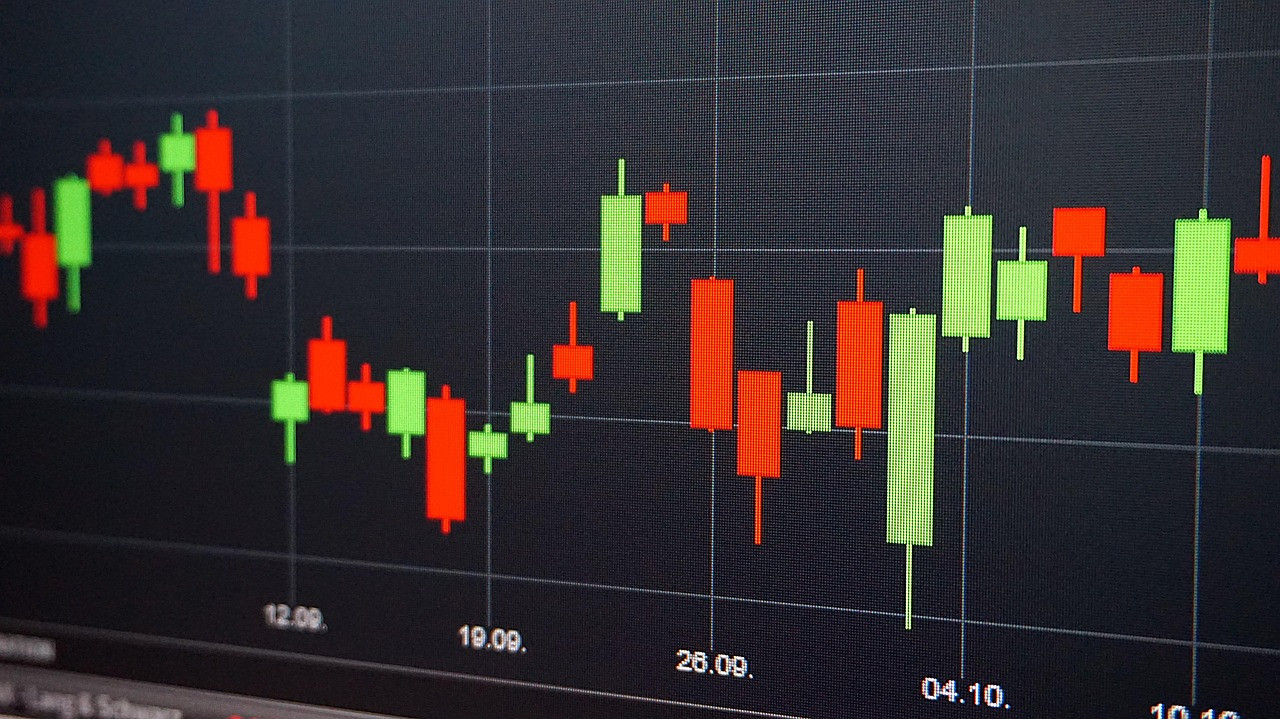
Representative image: PIX1861 / Pixabay
South Korea's KOSPI fell 3.65% to 6,384.24 on 12 October 2026 as foreign funds sold Samsung and SK hynix days after Samsung's record quarterly profit.
What Happened
South Korea's main share index, the KOSPI, closed 3.65% lower at 6,384.24 on Monday, 12 October 2026, its weakest finish since 11 August. The smaller, tech-heavy Kosdaq fared worse, losing 4.83% to end at 849.19. The two biggest companies on the Seoul exchange, Samsung Electronics and SK hynix, fell by more than 4% each, even though Samsung announced the largest quarterly profit in the country's history only four days earlier. Heavy selling by foreign funds was the main force behind the slide.
Key Facts
- The KOSPI ended at 6,384.24, down 3.65% on the day, and slipped below the 6,400 level for the first time since August.
- It was the index's sharpest one-day fall since 2 September, when it dropped 3.99%.
- Across four straight losing sessions since 6 October, the KOSPI has shed 619.50 points, or 8.85%.
- The Kosdaq lost 43.08 points, or 4.83%, to close at 849.19.
- Samsung Electronics fell 4.39% and SK hynix fell 4.52%; SK Square, the largest shareholder in SK hynix, dropped 6.3% to 984,000 won.
- Foreign investors were net sellers of about 2.02 trillion won of shares on the main board.
- On 8 October, Samsung estimated its July-September operating profit at a record 107.4 trillion won, up 782.5% from a year earlier.
Why It Matters
The fall shows how quickly sentiment can turn in markets that have risen on the artificial intelligence trade. South Korea's index is dominated by memory-chip makers, whose earnings have soared because data centres need vast amounts of high-bandwidth memory. Samsung's preliminary third-quarter figures, released on Thursday 8 October, put revenue at about 195 trillion won and made it the first South Korean company to earn more than 100 trillion won of operating profit in a single quarter. Yet the shares fell sharply on the first trading day of the new week. When record results cannot hold a stock up, investors are usually worried about what comes next, not about what has already happened.
Two worries stood out. Analysts in Seoul linked the chip sell-off to fresh fears of an AI bubble after reports about OpenAI's revenue, and to weakness in US chip stocks. Local brokerages also pointed to higher US borrowing costs, with the 10-year US Treasury yield above 5.2%. When safe US bonds pay that much, global funds have less reason to hold riskier emerging-market shares, and they tend to sell the biggest and most liquid names first. In Korea, that means Samsung and SK hynix.
The pressure was not limited to Seoul. In India, the Sensex lost 547.65 points, or 0.76%, on the same Monday to close at 71,924.68, while the Nifty 50 ended at 22,363.35. The size of the moves was very different, but the backdrop of foreign money leaving emerging markets is shared. For Indian investors, the Korean slide is a reminder that chip-heavy Asian markets can swing much harder than broader indices when the AI story wobbles.
| Market moves on Monday, 12 October 2026 | Close | Change |
|---|---|---|
| KOSPI (South Korea) | 6,384.24 | -3.65% |
| Kosdaq (South Korea) | 849.19 | -4.83% |
| Samsung Electronics | not stated | -4.39% |
| SK hynix | not stated | -4.52% |
| Sensex (India) | 71,924.68 | -0.76% |
Impact
Short-term: Traders will watch whether foreign selling continues and how US chip shares and Treasury yields behave this week. A further rise in US yields or more doubts about AI spending could extend the losses, while any calm in those areas could bring bargain buying into the large chip stocks.
Long-term: The episode tests whether memory-chip demand from AI can keep growing fast enough to justify the earnings now expected. If AI spending holds up, the record profits may look cheap in hindsight; if companies building AI systems slow their spending, chip makers' earnings and share prices could reset lower.
Who is affected: Investors in Korean shares and in Asian or emerging-market funds that hold Samsung and SK hynix, global technology investors exposed to the AI trade, and Indian market participants watching foreign fund flows across the region.
Key Takeaway
South Korea's KOSPI fell 3.65% to 6,384.24 on 12 October 2026 as foreign funds sold chip stocks, showing that even record profits at Samsung could not offset worries about AI spending and high US bond yields.
Questions and Answers
How much did South Korea's stock market fall on 12 October 2026?
The KOSPI closed down 3.65% at 6,384.24, its lowest close since 11 August, and the tech-heavy Kosdaq fell 4.83% to 849.19.
Why did Samsung shares fall after it reported record profit?
Samsung's shares fell 4.39% because investors were looking ahead rather than back. Analysts tied the chip sell-off to new worries about an AI bubble and to high US bond yields, which pull global money away from riskier markets.
How big were Samsung's record results?
On 8 October 2026, Samsung estimated its July-September operating profit at 107.4 trillion won, up 782.5% from a year earlier, on revenue of about 195 trillion won. These were preliminary figures; full results come later in October.
Did Indian markets fall on the same day?
Yes, but far less. The Sensex lost 547.65 points, or 0.76%, to 71,924.68 on 12 October 2026, and the Nifty 50 closed at 22,363.35.
Disclaimer: Prepared by the Peepals newsroom from publicly available sources with AI assistance. Information is accurate to the best of our knowledge at the time of publication and may change. Images may be representative. Not professional advice. Report an error via our contact page.
Sourced and fact-checked by the Peepals Global Editorial Team
Robert Hall and Michael Woodford win 2026 Nobel economics prize
Boldfit raises Rs 400 crore Series B led by Bharat Value Fund for retail push
Reported, fact-checked and published by the Peepals Global Editorial Team.