
Rupee posts best day in six months after RBI curbs; bond yields hit three-year high
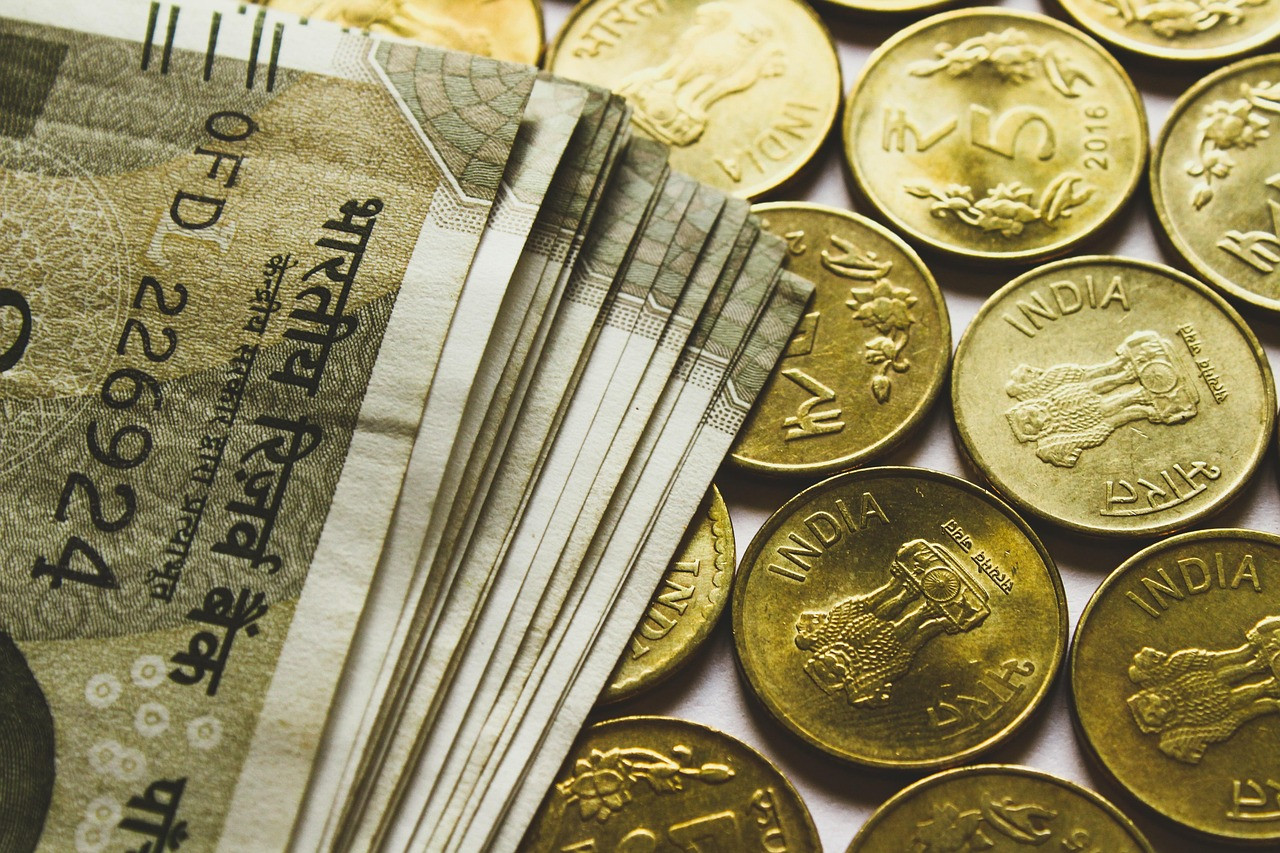
Representative image: rupixen / Pixabay
The rupee rose about 1% to near 95.76 per dollar on 12 October 2026 after RBI curbs on dollar demand, while the 10-year bond yield climbed to about 7.35%.
What Happened
The Indian rupee rose about 1% against the US dollar on Monday, 12 October 2026, to around 95.76 per dollar, its biggest one-day gain since April. The move followed a set of measures the Reserve Bank of India (RBI) announced on Saturday, 10 October, to cut demand for dollars after the currency came close to a record low of 97 per dollar last week. Government bonds did not share the relief: the yield on the 10-year benchmark bond climbed to about 7.35%, its highest level in roughly three years.
Key Facts
- The rupee touched about 95.76 per dollar in Monday trade, up roughly 1% on the day, after opening at about 95.73.
- Last week the currency came close to 97 per dollar, a record low.
- Even after Monday's gain, the rupee is down by around 6.6% to 7% against the dollar so far in 2026, among the weakest in Asia.
- RBI step 1: banks must keep a Foreign Exchange Risk Reserve, in cash with the RBI, equal to 20% of the rupee value of eligible derivative contracts above $2 million in which a user buys foreign currency against the rupee to hedge current account payments.
- RBI step 2: cancelled rupee derivative contracts can no longer be rebooked, though rolling a contract over at maturity is still allowed; the limit for positions without an underlying exposure was cut from $100 million to $5 million.
- RBI step 3: a special window from 12 October meets the dollar needs of Indian Oil, Hindustan Petroleum and Bharat Petroleum, which together need about $200 million a day for imports.
- The RBI had already raised its repo rate by 25 basis points to 5.50% on Wednesday, 7 October.
Why It Matters
A falling rupee is a problem for a country that imports most of its crude oil. With oil above $100 a barrel, every slide in the currency pushes up the rupee cost of fuel, fertiliser and many raw materials, and that feeds into inflation. The RBI's weekend package attacks the problem from the demand side. Oil companies are among the largest single buyers of dollars in the market; taking their daily purchases into a separate window removes a large, predictable source of pressure from the open market.
The 20% reserve works differently. When an importer hedges a large payment, the bank that writes the contract must now lock up a fifth of its rupee value with the central bank. That makes hedging dearer and should discourage companies from buying dollars forward in a rush, which tends to accelerate a fall. The ban on rebooking cancelled contracts closes a route that traders could use to take repeated short-term bets on the currency.
Analysts were quick to warn that these steps buy time rather than change the underlying picture. Madhavi Arora of Emkay Global described them as "tactical fixes, not structural solutions". The deeper drivers of the rupee's weakness, high oil prices, foreign investors selling Indian assets and a strong dollar, have not gone away.
The bond market reaction shows the other side of the trade-off. A rate hike, a tighter grip on dollar liquidity and higher inflation expectations all push yields up. Higher government bond yields raise the cost of borrowing for the Centre, states and companies, and can eventually lift loan rates for households.
| Measure | What it changes |
|---|---|
| 20% risk reserve | Makes large import hedges more expensive for banks and their clients |
| No rebooking of cancelled contracts | Limits repeated short-term bets on the rupee |
| Lower limit without underlying exposure | Cuts speculative positions from $100 million to $5 million |
| Oil company dollar window | Takes about $200 million of daily dollar demand off the market |
Impact
Short-term: Importers face higher hedging costs, while exporters who held back dollar sales may now sell. The currency could stay volatile as traders test whether the RBI will defend the 97 level.
Long-term: If oil prices and foreign outflows stay high, the rupee may weaken again once the effect of the measures fades, and the RBI may need further rate increases or more use of its reserves.
Who is affected: Importers and exporters, oil marketing companies, banks that write currency hedges, bond investors, and households who will feel any lasting fall in the rupee through fuel and food prices.
Key Takeaway
The rupee had its best day in six months after the RBI's weekend curbs on dollar demand, but rising bond yields show markets still worry about oil, inflation and outflows.
Questions and Answers
Why did the rupee rise on 12 October 2026?
It rose about 1% to roughly 95.76 per dollar because the RBI, on 10 October, moved to reduce dollar demand: it set up a special dollar window for three state-run oil companies, added a 20% reserve on large rupee hedging contracts and banned the rebooking of cancelled contracts.
Will the rupee keep strengthening?
Not necessarily. Analysts called the steps short-term fixes. The rupee is still down around 7% in 2026, and high oil prices and foreign selling, which caused the fall, remain in place.
Does this affect ordinary borrowers?
Indirectly. The RBI raised its repo rate to 5.50% on 7 October and bond yields have risen to about 7.35%. Banks have already started raising repo-linked loan rates, so some home and personal loan EMIs may rise.
What does the 20% reserve mean for importers?
Banks must deposit 20% of the rupee value of eligible hedging contracts above $2 million with the RBI. That cost is likely to be passed on, making it more expensive for importers to lock in dollar rates in advance.
Disclaimer: Prepared by the Peepals newsroom from publicly available sources with AI assistance. Information is accurate to the best of our knowledge at the time of publication and may change. Images may be representative. Not professional advice. Report an error via our contact page.
Sourced and fact-checked by the Peepals Global Editorial Team
Equity fund inflows jump 31% to Rs 38,307 crore in September; SIPs hit record
Robert Hall and Michael Woodford win 2026 Nobel economics prize
Reported, fact-checked and published by the Peepals Global Editorial Team.