
Brazil inflation hits 4.58% in September, breaching 4.5% ceiling on power bills
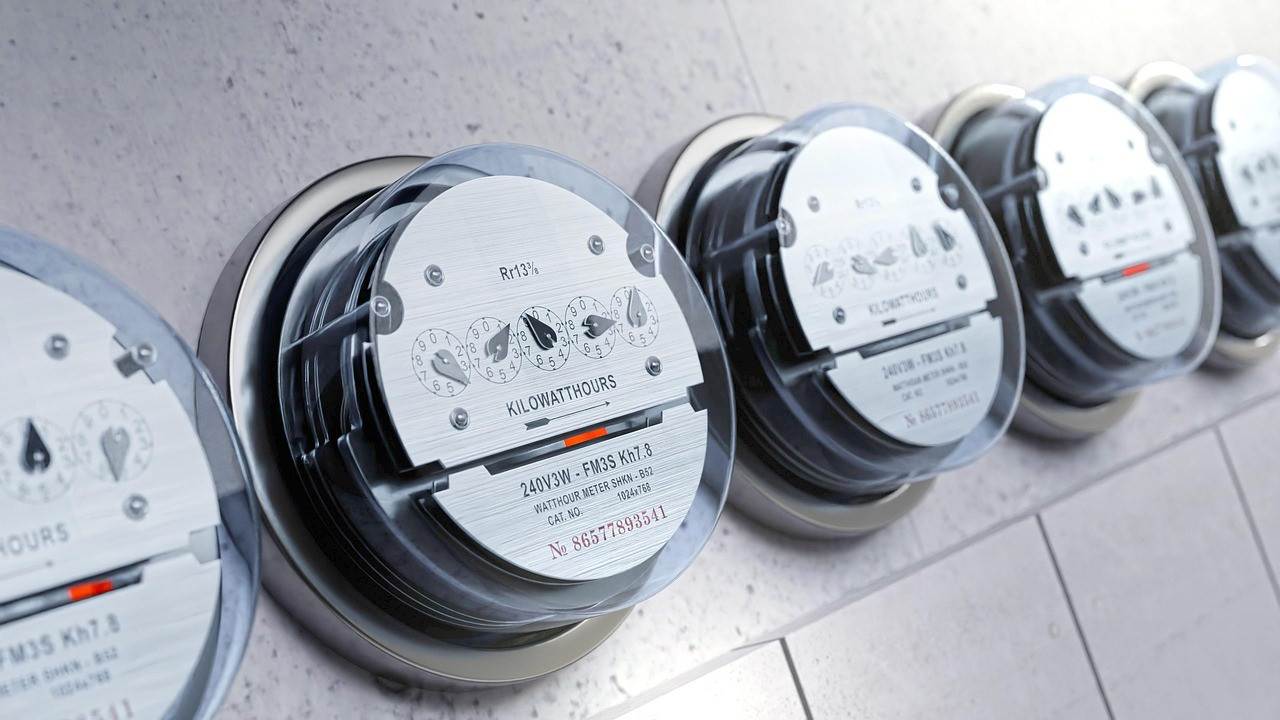
Representative image: Pixelharvester / Pixabay
Brazil's IPCA inflation rose to 4.58% in September 2026, above the 4.5% target ceiling, as power bills jumped, IBGE said on 9 October.
What Happened
Brazil's consumer inflation climbed above the upper limit of its official tolerance band in September 2026. The national statistics agency IBGE reported on Friday, 9 October 2026, that the benchmark IPCA index rose 4.58% over the 12 months to September, up from 4.22% in August. Prices rose 0.82% in September alone. The jump was led by household electricity bills, which climbed sharply after a one-off utility credit that had lowered bills ran out. The reading lands about two weeks before Brazil's 25 October presidential runoff and less than a month before the central bank's next rate meeting.
Key Facts
- Annual IPCA inflation: 4.58% in September 2026, against 4.22% in August.
- Monthly inflation: 0.82% in September, above the 0.73% economists had expected in a Reuters poll.
- Brazil's inflation target is 3%, with a tolerance of 1.5 percentage points either side, so the ceiling is 4.5%. September's rate sits 0.08 points above it.
- The 12-month figure was also higher than the 4.5% median forecast in a Bloomberg survey of analysts.
- Housing costs rose 2.31% in the month, the largest increase among IBGE's nine spending groups, and residential electricity rose 7.98%.
- All nine spending groups recorded price increases in September.
- The central bank's Copom committee cut the Selic policy rate by 0.25 percentage point to 13.75% on 16 September 2026, its fifth cut in a row. Its next decision is due on 3-4 November.
Why It Matters
For Brazil's central bank, the headline number matters as much as the cause. Under Brazil's inflation-targeting framework, 4.5% is the line that separates "within tolerance" from "off target." Crossing it, even by a small margin, puts pressure on policymakers who have spent recent months lowering borrowing costs from very high levels. Each further cut is now harder to justify publicly while the main price gauge is above the band.
The detail behind the number softens the picture somewhat. Much of September's rise came from a single item, power bills, and from a temporary discount ending rather than from broad overheating. Economists usually treat such one-off effects differently from persistent pressure in services or wages. But the fact that every one of IBGE's nine groups rose in the month, and that both the monthly and annual readings beat forecasts, suggests price pressure is not confined to electricity.
Timing adds a political layer. Brazil votes in a presidential runoff on 25 October, and the cost of living is a central concern for voters. A breach of the target ceiling gives both sides of the campaign material, and it raises the stakes for the Copom's 3-4 November meeting, which falls just after the vote. Analysts quoted after the release were divided: some still see room for a small cut in November if the currency stays stable, while others argue against speeding up easing.
For investors outside Brazil, including Indian funds with emerging-market exposure, the release is a reminder that the global rate-cutting cycle is uneven. Several large emerging economies are now weighing energy-driven price rises against slowing growth, and the result shapes currency moves and bond returns across the asset class.
| Measure | August 2026 | September 2026 |
|---|---|---|
| Annual IPCA inflation | 4.22% | 4.58% |
| Target ceiling | 4.5% | 4.5% |
| Selic policy rate | 14.00% | 13.75% |
Impact
Short-term: Traders will reprice the odds of a further rate cut at the 3-4 November Copom meeting. Brazilian households face higher electricity bills this month, and a strong inflation print can push up local bond yields and loan rates for businesses.
Long-term: If inflation stays above the ceiling, the central bank may have to pause its easing cycle, keeping Brazil's real interest rates among the highest of any large economy. That would slow credit growth and investment but support the currency.
Who is affected: Brazilian households and borrowers, companies dependent on credit, holders of Brazilian bonds and the real, emerging-market fund managers, and the two presidential campaigns ahead of the 25 October vote.
Key Takeaway
Brazil's inflation rose to 4.58% in September 2026, edging past the 4.5% ceiling of its target band on the back of higher power bills and making the central bank's next rate cut a closer call.
Questions and Answers
What was Brazil's inflation rate in September 2026?
According to IBGE data released on 9 October 2026, the IPCA consumer price index rose 4.58% over the 12 months to September, up from 4.22% in August. Prices rose 0.82% during September itself.
Why does 4.58% count as a breach of Brazil's target?
Brazil targets 3% inflation and allows 1.5 percentage points of tolerance either side, so anything above 4.5% is outside the band. September's figure is 0.08 points over that ceiling.
What pushed prices up in September?
Mainly electricity. A one-time credit that had reduced household power bills expired, and residential electricity prices rose 7.98% in the month. Housing as a whole rose 2.31%, and all nine of IBGE's spending groups were higher.
Will Brazil's central bank still cut interest rates?
It is uncertain. The Copom cut the Selic to 13.75% on 16 September, its fifth straight reduction, and meets next on 3-4 November. Some analysts still see a small cut as possible if the currency holds steady; others say the above-ceiling inflation argues for caution.
Disclaimer: Prepared by the Peepals newsroom from publicly available sources with AI assistance. Information is accurate to the best of our knowledge at the time of publication and may change. Images may be representative. Not professional advice. Report an error via our contact page.
Sourced and fact-checked by the Peepals Global Editorial Team
Reported, fact-checked and published by the Peepals Global Editorial Team.