
KOSPI target cut to 7,500 by Goldman Sachs, yet it sees 48% upside
 By Rohit SharmaMarkets Analyst, Peepals Business
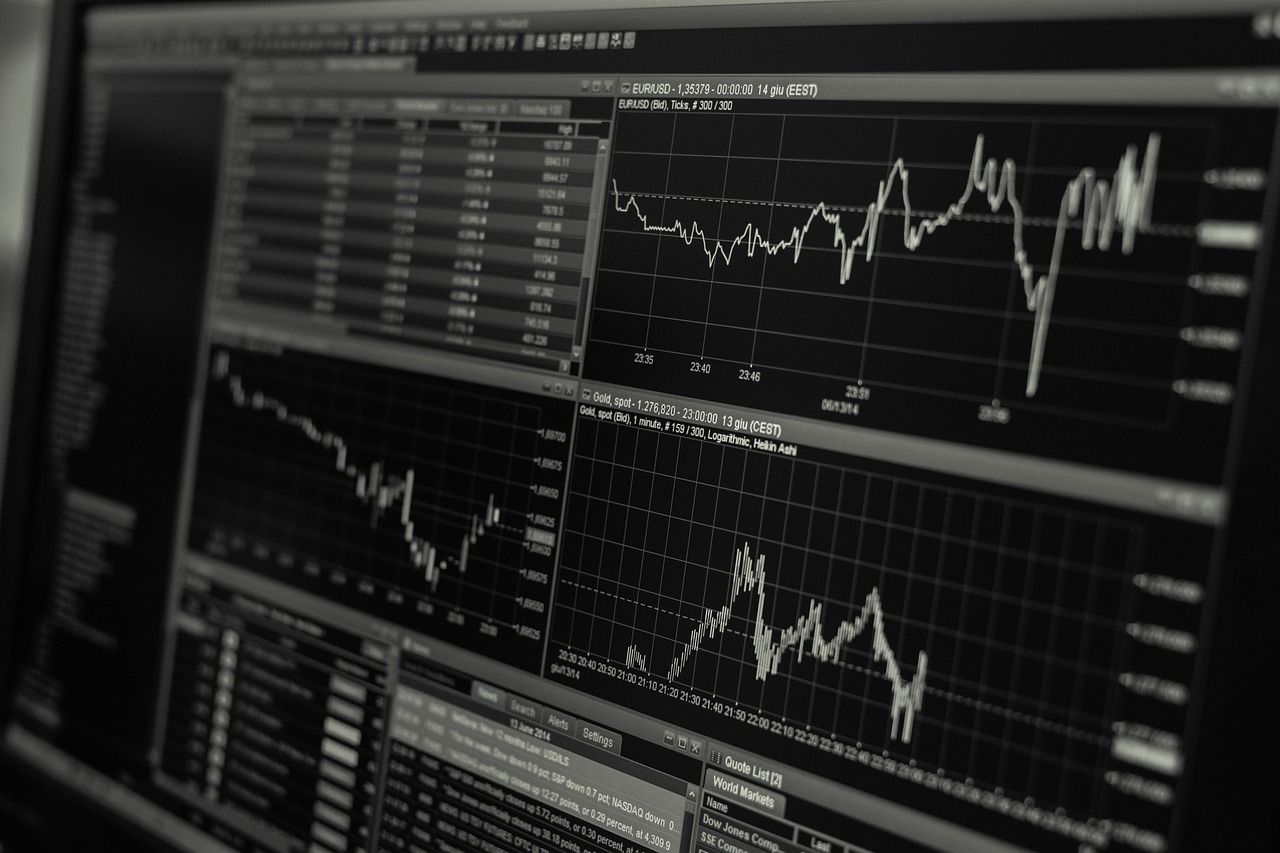
Representative image: 3844328 / Pixabay
Goldman Sachs cut its KOSPI target to 7,500 from 9,000 on 17 November but kept an overweight call, seeing about 48% upside from the 18 November close.
KOSPI: what happened
Goldman Sachs has cut its 12-month target for South Korea's benchmark KOSPI index to 7,500 from 9,000, its second cut in a matter of weeks, in a report dated Tuesday, 17 November 2026. The bank still argues that the sell-off has gone too far: measured against the KOSPI's close of 5,067.44 on Wednesday, 18 November, the new target implies a gain of about 48%, and Goldman kept its "overweight" rating on Korean shares.
KOSPI: key facts
- New target: 7,500 for the KOSPI over 12 months, down from 9,000; the target had stood at 12,000 in June 2026.
- Report date: 17 November 2026, the day the KOSPI closed below 5,000 for the first time in nine months.
- Index level: 5,067.44 at the close on 18 November 2026.
- Valuation at the target: 4.9 times forward earnings and 1.18 times book value, according to Goldman.
- Goldman's view on chipmakers: share prices of memory makers are pricing in a 70% cut to consensus 2027 earnings, which the bank calls excessive because DRAM and high-bandwidth memory (HBM) supply is reported to be sold out until 2029.
- Return outlook: about 50% total return over 12 months in US dollar terms, by Goldman's estimate.
- Rating: overweight (a recommendation to hold more Korean shares than their weight in a benchmark) kept unchanged.
KOSPI: why it matters
South Korea's stock market has been one of the most dramatic stories of 2026. The KOSPI rose sharply on hopes for artificial intelligence, because two of its largest companies, Samsung Electronics and SK Hynix, make the memory chips that AI data centres need. When doubts about AI spending spread and global chip stocks fell, Korea fell harder than most. Brokerages that had raised targets on the way up have been cutting them on the way down, and Goldman's two cuts in a few weeks are the clearest example.
The interesting part of Goldman's note is the gap between its target cut and its message. A lower target usually signals caution, but the bank is effectively saying that prices have fallen faster than its estimates should. Its argument rests on memory chips: if the market is pricing in a 70% fall in next year's earnings while supply is sold out for years, Goldman believes the shares are too cheap. That is a forecast, not a fact, and the market has so far disagreed.
For Indian investors, Korea is a useful comparison: it shows how quickly a market built around one theme, here AI memory chips, can swing in both directions, and how brokerage targets follow prices rather than lead them. A target from a foreign bank is an opinion, not advice, and it can change again quickly, as this one has.
Peepals calculation: the KOSPI target has fallen 37.5% since June (12,000 to 7,500) and about 16.7% from the previous target of 9,000. If 7,500 equals 4.9 times forward earnings, the index at 5,067.44 trades at about 3.3 times the same earnings (5,067.44 ÷ 7,500 × 4.9 ≈ 3.31), and at about 0.8 times book value (5,067.44 ÷ 7,500 × 1.18 ≈ 0.80). Our calculation from the reported figures.
| Goldman KOSPI target | Level |
|---|---|
| June 2026 | 12,000 |
| Previous target (October 2026) | 9,000 |
| New target (17 November 2026) | 7,500 |
| KOSPI close, 18 November 2026 | 5,067.44 |
KOSPI: impact
Short-term: The note adds to a run of target cuts by brokerages, even as Goldman argues for buying. Korean shares are likely to keep moving with global chip stocks and news on AI spending.
Long-term: If memory demand holds up as Goldman expects, its call would look early rather than wrong. If AI spending slows, the cut targets may not be the last.
Who is affected: Investors in Korean equities and emerging-market funds, Samsung Electronics and SK Hynix shareholders, and Indian investors who hold global or emerging-market funds with Korean exposure.
KOSPI: key takeaway
Read Goldman's KOSPI call as a sign of how far the AI chip trade has swung, not as a price prediction, and watch memory-chip earnings guidance for whether its 70% "priced-in" cut proves too gloomy.
KOSPI: questions and answers
What is Goldman Sachs' new KOSPI target?
7,500 over 12 months, cut from 9,000 in a report dated 17 November 2026. The target was 12,000 as recently as June 2026.
Why did Goldman cut the target but keep an overweight rating?
It lowered its target after the index fell sharply, but it says Korean shares have fallen further than fundamentals justify. In its view memory-chip stocks are pricing in an excessive 70% cut to 2027 earnings.
How much upside does Goldman see?
From the 18 November close of 5,067.44, the 7,500 target implies about 48%. Goldman projects roughly a 50% total return in US dollar terms over 12 months. These are the bank's forecasts, not guaranteed outcomes.
Why did the KOSPI fall so much in 2026?
The index is heavily weighted towards memory-chip makers such as Samsung Electronics and SK Hynix, whose shares rose on AI demand and then fell sharply as doubts about AI spending hit global chip stocks.
Disclaimer: Prepared by the Peepals newsroom from publicly available sources with AI assistance. Information is accurate to the best of our knowledge at the time of publication and may change. Images may be representative. Not professional advice. Report an error via our contact page.
By Rohit Sharma, Markets AnalystCovers Markets Watch and more for Peepals Business. All stories by Rohit Sharma
Export Promotion Mission: airfare support now for exporters up to Rs 50 crore
Mufin Green Finance to buy 23% of BimaPay for Rs 65.75 crore
Your week ahead, every Sunday. Free.
Exam and result dates, IPOs opening, scheme deadlines, government holidays and the RBI decision for the next 7 days, plus the week's top stories. One email a week, unsubscribe in one click.
Rohit Sharma is a pen name of the Peepals Global Editorial Team, which researches, fact-checks and publishes every story. The portrait is an illustration.
Responsible for this story: the Peepals Global Editorial Team, led by editor Prashant Sonar. How we report